
9 Best Solar Generators For Refrigerators of 2026 During Power Outages

On paper, a standard refrigerator sips only 150 to 200 watts, but the real challenge begins the second the cooling cycle kicks in. That initial motor start demands a violent spike of electricity that easily trips weak inverters, shutting down power stations that looked plenty capable on the box. When a blackout hits during severe weather, an inverter failure at 2 a.m. quietly ruins a full freezer of fresh groceries and spoils temperature-sensitive medications before sunrise. Hauling a noisy gas generator onto a stormy porch brings fumes and maintenance headaches, yet leaving food to warm up in a dark kitchen is never an option.
True peace of mind indoors comes from silent, emission-free backup power that effortlessly absorbs those harsh motor spikes and hums along until grid power returns. Getting reliable cooling through long outages requires two core strengths: an inverter built with generous peak surge headroom and a resilient LiFePO4 battery with enough watt-hour capacity to carry the load overnight. Pairing that storage with adequate daytime solar input ensures continuous cooling without depleting your reserves. Below, explore how the best solar generators for refrigerators handle real-world startup demands and keep your kitchen running smoothly.

- TAR Score9.5
TAR Score is a ranking system developed by TopAppliancesReviews.com. TAR score has no relationship or impact from any manufacturers or sales agent websites. Learn more
- BrandBLUETTI

- TAR Score9.4
TAR Score is a ranking system developed by TopAppliancesReviews.com. TAR score has no relationship or impact from any manufacturers or sales agent websites. Learn more
- BrandBLUETTI

- TAR Score9.3
TAR Score is a ranking system developed by TopAppliancesReviews.com. TAR score has no relationship or impact from any manufacturers or sales agent websites. Learn more
- BrandBLUETTI

- TAR Score9.3
TAR Score is a ranking system developed by TopAppliancesReviews.com. TAR score has no relationship or impact from any manufacturers or sales agent websites. Learn more
- BrandBLUETTI
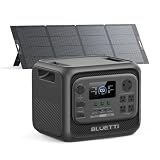
- TAR Score8.2
TAR Score is a ranking system developed by TopAppliancesReviews.com. TAR score has no relationship or impact from any manufacturers or sales agent websites. Learn more
- BrandBLUETTI

- TAR Score8.1
TAR Score is a ranking system developed by TopAppliancesReviews.com. TAR score has no relationship or impact from any manufacturers or sales agent websites. Learn more
- BrandABOK

- TAR Score7.9
TAR Score is a ranking system developed by TopAppliancesReviews.com. TAR score has no relationship or impact from any manufacturers or sales agent websites. Learn more
- BrandJackery

- TAR Score7.5
TAR Score is a ranking system developed by TopAppliancesReviews.com. TAR score has no relationship or impact from any manufacturers or sales agent websites. Learn more
- BrandLIPOWER
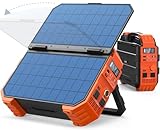
- TAR Score7.3
TAR Score is a ranking system developed by TopAppliancesReviews.com. TAR score has no relationship or impact from any manufacturers or sales agent websites. Learn more
- BrandBLAVOR
Last update on 2026-10-21 / Affiliate links / Images, Product Titles, and Product Highlights from Amazon Product Advertising API
Will a solar generator handle my refrigerator compressor surge?
Yes, provided the solar generator inverter provides adequate peak surge output. Refrigerator compressors demand a sudden burst of power when cycling on, which can overload and trip underpowered inverters. Solar generators equipped for household backup list higher surge thresholds, such as 1800W continuous with 2700W peak capacity or 1600W continuous with 3200W peak capacity. Check the electrical specification label inside your refrigerator to confirm that its starting draw remains safely below the generator rated surge limit.
How long will battery capacities like 1024Wh or 3014.4Wh keep a refrigerator running?
Runtime depends directly on your refrigerator running wattage, operating duty cycle, and total battery capacity. Compact setups offering 1024Wh or 1070Wh provide basic emergency backup, while larger units with 2073.6Wh, 2150Wh, or 3014.4Wh provide substantially greater energy reserves for overnight cooling. Because household refrigerators cycle on and off intermittently rather than drawing continuous energy, verify your appliance running wattage on its data tag to determine realistic runtime.
Can solar panels recharge the generator while the refrigerator stays plugged in?
Yes, units equipped with pass-through charging allow solar panels to replenish the battery while the refrigerator stays connected. Pairing your power station with 200W, 350W, or 500W solar panels lets daytime sunlight restore depleted capacity during extended outages. To prevent battery drain before sunset, ensure the incoming solar generation exceeds the active draw of your cooling appliance.
What continuous inverter wattage is required to run a refrigerator?
Most full-size refrigerators operate smoothly on solar power stations with continuous outputs between 1500W and 2400W. Available models deliver continuous AC ratings of 1500W, 1800W, 2000W, or 2400W, allowing sufficient headroom to handle cooling cycles alongside essential household devices. While smaller portable solar power stations serve lighter outdoor gear, full household food preservation requires these higher continuous thresholds to avoid inverter shutdowns.
Why is LiFePO4 battery chemistry preferred for refrigerator emergency backup?
LiFePO4, or lithium iron phosphate (LFP), offers higher thermal stability and extended cycle life compared to traditional battery designs. During severe weather blackouts, running a refrigerator forces the battery through repeated discharge and recharge cycles as the compressor works to preserve food and medication. Power stations built with LiFePO4 capacities ranging from 1024Wh to 3014.4Wh maintain dependable cell integrity through frequent cycling, keeping emergency power ready whenever storms hit.
How do you verify your refrigerator power requirements before choosing a generator?
Locate the manufacturer data sticker inside the refrigerator door frame or on the lower exterior back panel. This label lists the appliance operating voltage and amperage rating, which you multiply to find the running wattage. Compressor startup spikes typically exceed running power by a noticeable margin, so verify that your refrigerator demands fit safely within generator specifications like a 2000W continuous inverter or a 3200W peak threshold.


The 12 Best Small Solar Generators 2026

The 10 Best Quiet Portable Generator For Home Backup - Our Picks

Top 12 Best Quiet Small Generator For Tailgating - (2026 Newest)

The Best Quiet Generator For Rv Air Conditioner 2026 - Top Picks

9 Best Portable Ac For Generator 2026 - Highly Rated
Best Small Wind Generator 2026 - 10 Best Rating

Best Wind Generator For Sailboat 2026 - Best Quality

12 Top-Rated Solar Generator Kits for Ultimate Energy Independence





