
8 Best Solar Generators For Home Refrigerator of 2026 To Prevent Food Spoilage

Why do so many portable power stations shut down the moment a kitchen refrigerator kicks on? The fault lies in the compressor motor, which demands a high starting surge far above its normal running wattage. When a power station lacks the peak inverter headroom to absorb that initial jolt, it instantly trips its internal safety switch, killing power before the cooling cycle even begins. Within hours, warming shelves spoil a full week of groceries and put temperature-sensitive medications at risk, turning a routine storm blackout into an expensive, stressful emergency.
Real peace of mind comes from knowing food will stay safely chilled without relying on a noisy gas generator running in the rain. A properly sized station absorbs that heavy compressor spike effortlessly, cycling quietly in your kitchen while keeping the freezer solid. Reaching that level of protection comes down to three essentials: an inverter rated for at least 1800 surge watts, durable LiFePO4 battery capacity to carry the appliance through the night, and compatible solar input to replenish power during daylight hours. The options below deliver the output and endurance needed to keep your kitchen running smoothly until the power grid recovers.

- TAR Score9.4
TAR Score is a ranking system developed by TopAppliancesReviews.com. TAR score has no relationship or impact from any manufacturers or sales agent websites. Learn more
- BrandBLUETTI

- TAR Score9.3
TAR Score is a ranking system developed by TopAppliancesReviews.com. TAR score has no relationship or impact from any manufacturers or sales agent websites. Learn more
- BrandBLUETTI

- TAR Score9.2
TAR Score is a ranking system developed by TopAppliancesReviews.com. TAR score has no relationship or impact from any manufacturers or sales agent websites. Learn more
- BrandUDPOWER

- TAR Score8.8
TAR Score is a ranking system developed by TopAppliancesReviews.com. TAR score has no relationship or impact from any manufacturers or sales agent websites. Learn more
- BrandUDPOWER

- TAR Score8.3
TAR Score is a ranking system developed by TopAppliancesReviews.com. TAR score has no relationship or impact from any manufacturers or sales agent websites. Learn more
- BrandBLUETTI
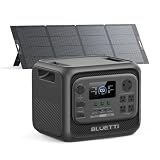
- TAR Score8.2
TAR Score is a ranking system developed by TopAppliancesReviews.com. TAR score has no relationship or impact from any manufacturers or sales agent websites. Learn more
- BrandBLUETTI

- TAR Score7.9
TAR Score is a ranking system developed by TopAppliancesReviews.com. TAR score has no relationship or impact from any manufacturers or sales agent websites. Learn more
- BrandJackery

- TAR Score7.5
TAR Score is a ranking system developed by TopAppliancesReviews.com. TAR score has no relationship or impact from any manufacturers or sales agent websites. Learn more
- BrandLIPOWER
Last update on 2026-10-21 / Affiliate links / Images, Product Titles, and Product Highlights from Amazon Product Advertising API
Can a solar generator handle a refrigerator starting surge without shutting down?
Yes, provided the power station surge rating exceeds the initial wattage spike your refrigerator compressor draws when kicking on. Units in this category offer continuous outputs like 1200W with an 1800W surge, 1500W AC, or 1800W continuous with a 2700W surge, extending up to 2400W continuous power. Pure sine wave inverter output ensures that alternating current flows cleanly to electric motors without tripping overload protections. Check the compressor startup rating on your refrigerator electrical label to verify that the generator surge ceiling clears that brief spike.
How long will a 1000Wh or 2000Wh battery run a home refrigerator?
Runtime depends directly on your refrigerator compressor cycling rate, room temperature, and internal storage load, as power stations provide finite watt-hour capacities rather than a fixed running duration. Compact units offer 1024Wh, 1070Wh, 1152Wh, or 1190Wh of energy storage, while high-capacity units supply 2073.6Wh, 2150Wh, or 3014.4Wh for extended outages. If your cooling needs are limited to compact coolers rather than full-sized kitchen appliances during an emergency, a small solar generator can cover basic portable essentials. For a full-sized refrigerator, check the estimated annual consumption on the EnergyGuide sticker to assess how many watt-hours your unit demands over a typical day.
Can the unit charge from solar panels while powering the refrigerator?
Yes, power stations that support simultaneous pass-through charging and UPS capability can supply power to your refrigerator while taking in electricity from solar panels. Available setups pair with solar arrays such as a 120W panel, 200W panels, dual 2x200W panels, or 350W panels, with some units handling up to a max 400W solar input. Recharging while running your appliance helps offset daytime consumption and preserve stored watt-hours for overnight cooling. Verify that your panel wattage produces enough energy under local sunlight conditions to replace the daily power your refrigerator compressor pulls.
Why is pure sine wave output necessary for running a home refrigerator?
Pure sine wave output is necessary because refrigerator compressors and digital control boards require clean, smooth electrical waveforms to operate without overheating. Running sensitive compressor motors on modified or rough waveforms can cause motor humming, elevated heat, or unexpected shutdowns. Units certified to safety standards such as UL2743 specify pure sine wave output across their AC outlets. Check the power station specifications to confirm pure sine wave inverter architecture before connecting expensive kitchen appliances.
Why does LiFePO4 battery chemistry matter for emergency blackout backup?
LiFePO4 battery chemistry matters because it delivers stable thermal performance and long cycle life for backup hardware that remains stored between storm seasons. Power stations featuring LiFePO4 chemistry, including models with 1070Wh or 1152Wh capacities, hold up well against regular standby storage without rapid cell degradation. This stability gives you confidence that the battery will accept a charge and deliver power when severe weather hits. Check the battery chemistry in the manufacturer technical specifications to confirm the power station uses LiFePO4 cells.
How fast can a solar generator recharge if grid power returns briefly?
Recharge speed depends on the maximum input wattage supported by the unit, with select models offering a 1Hr Fast Charge from standard AC wall power. Solar recharging speeds depend on array configurations, ranging from 120W and 200W setups up to a max 400W solar input. If you need portable off-grid energy strictly for mobile devices while keeping main backup stations on large appliances, keeping separate solar power banks charged ensures secondary devices stay powered. Verify the maximum AC charging input on the unit specification plate to determine how quickly you can restore battery reserves during short utility restorations.


The 12 Best Small Solar Generators 2026

The 10 Best Quiet Portable Generator For Home Backup - Our Picks

Top 12 Best Quiet Small Generator For Tailgating - (2026 Newest)

The Best Quiet Generator For Rv Air Conditioner 2026 - Top Picks

9 Best Portable Ac For Generator 2026 - Highly Rated

Best Small Wind Generator 2026 - 10 Best Rating

Best Wind Generator For Sailboat 2026 - Best Quality

12 Top-Rated Solar Generator Kits for Ultimate Energy Independence





