
11 Best Solar Generator For Van Life of 2026 To Stay Powered Off-Grid

The digital display of an undersized power station blinks out at three in the morning, silently cutting power to the twelve-volt fridge tucked beneath the bed. By sunrise, warm air fills the cooler, spoiled food ruins breakfast, and a dead laptop threatens the workday before it even begins. Compact battery banks seem convenient at first, but cold nights and compressor surges often push them past their limit until the system drains completely flat overnight. On the other hand, hauling an oversized power box into a tight conversion hogs essential cabinet storage, only to recharge agonizingly slowly when cloudy weather rolls over camp.
Life on the road runs smoothly when quiet, reliable off-grid electricity tucks neatly out of the way, keeping food chilled and electronics running without constant battery panic. Getting that balance right comes down to a few practical choices: choosing durable LiFePO4 chemistry with around 1000 watt-hours of capacity for daily refrigeration, pairing it with 200 to 400 watts of solar input for quick daylight top-ups, and confirming physical exterior dimensions before mounting anything inside a cabinet. Here is how the top setups compare to keep your van energized wherever you park.

- TAR Score9.3
TAR Score is a ranking system developed by TopAppliancesReviews.com. TAR score has no relationship or impact from any manufacturers or sales agent websites. Learn more
- BrandJackery

- TAR Score9.0
TAR Score is a ranking system developed by TopAppliancesReviews.com. TAR score has no relationship or impact from any manufacturers or sales agent websites. Learn more
- BrandOUPES

- TAR Score8.9
TAR Score is a ranking system developed by TopAppliancesReviews.com. TAR score has no relationship or impact from any manufacturers or sales agent websites. Learn more
- BrandDaranEner

- TAR Score8.9
TAR Score is a ranking system developed by TopAppliancesReviews.com. TAR score has no relationship or impact from any manufacturers or sales agent websites. Learn more
- BrandMARBERO

- TAR Score8.8
TAR Score is a ranking system developed by TopAppliancesReviews.com. TAR score has no relationship or impact from any manufacturers or sales agent websites. Learn more
- BrandJackery

- TAR Score8.4
TAR Score is a ranking system developed by TopAppliancesReviews.com. TAR score has no relationship or impact from any manufacturers or sales agent websites. Learn more
- BrandEF ECOFLOW

- TAR Score7.6
TAR Score is a ranking system developed by TopAppliancesReviews.com. TAR score has no relationship or impact from any manufacturers or sales agent websites. Learn more
- BrandZeroKor

- TAR Score7.4
TAR Score is a ranking system developed by TopAppliancesReviews.com. TAR score has no relationship or impact from any manufacturers or sales agent websites. Learn more
- BrandMARBERO

- TAR Score7.4
TAR Score is a ranking system developed by TopAppliancesReviews.com. TAR score has no relationship or impact from any manufacturers or sales agent websites. Learn more
- BrandJackery

- TAR Score7.2
TAR Score is a ranking system developed by TopAppliancesReviews.com. TAR score has no relationship or impact from any manufacturers or sales agent websites. Learn more
- BrandEnginStar

- TAR Score7.1
TAR Score is a ranking system developed by TopAppliancesReviews.com. TAR score has no relationship or impact from any manufacturers or sales agent websites. Learn more
- BrandDaranEner
Last update on 2026-11-06 / Affiliate links / Images, Product Titles, and Product Highlights from Amazon Product Advertising API
Will a 1024Wh solar generator run a 12V fridge and laptop off-grid?
Yes, a 1024Wh capacity provides enough stored electricity to handle daily van living essentials like a 12V portable fridge, phone charging, and a laptop. The exact runtime depends on your refrigerator compressor cycle, the ambient temperature inside the vehicle, and your daily computer wattage draw. Check your cooler running wattage and duty cycle in its manual to calculate your daily energy drain. If you want to keep your workstation running without depleting the main power station, pairing your setup with a dedicated power bank for laptops keeps your work gear charged on long travel days.
What can a compact 300W solar generator realistically power in a camper van?
A compact unit with a 300W pure sine wave inverter is designed strictly for small, low-draw electronics. These portable systems typically feature batteries rated at 237Wh, 280Wh, 292Wh, or 296Wh, and they handle LED puck lights, smartphones, tablet charging, and camera batteries. They cannot operate appliances with heating elements, such as space heaters or electric cookers, which immediately overload a 300W limit. Units paired with 40W or 60W foldable panels work well as secondary power reserves rather than primary electrical setups for full-time van life.
What inverter wattage is needed to run cooking gear and small kitchen appliances?
High-draw kitchen appliances require an inverter rated for 1500W to 2000W continuous AC output. Induction cooktops, electric kettles, and blenders demand substantial running wattage that easily overwhelms compact units. Some mid-size power stations supply 600W continuous output with a 1200W peak rating, which can handle temporary motor surges on small power tools but will trip on continuous cooking loads. Always check the manufacturer specification plate on your appliances to confirm their continuous wattage does not exceed your generator rated capacity.
How fast can 200W and 400W solar panels recharge a power station while parked?
Recharge speed depends directly on sunlight conditions, panel placement, and the maximum solar input your generator can accept. A 400W panel captures roughly twice as much solar energy as a 200W or 240W panel during short peak daylight windows, making it far more reliable for replenishing a 1024Wh battery on partly overcast days. While some power stations offer AC wall recharging as fast as 1.1 hours, solar charging in the field fluctuates based on angle and cloud cover. If you plan day hikes away from the van and need backup power in your daypack, keep one of the solar power banks for reliable off-grid charging on hand.
Does a solar generator fit inside camper van cabinet or under-bed storage?
Most portable power stations fit inside standard camper van bench seats, under-bed storage compartments, or base cabinets, but physical dimensions vary by unit. Measure the opening width, height, and depth of your planned storage cubby before buying to avoid clearance issues. You must also account for ventilation space, because internal cooling fans need unrestricted airflow across the intake and exhaust vents during heavy inverter use and fast solar charging. Never enclose an operating power station in an airtight, unvented compartment.
Why is LiFePO4 battery chemistry important for daily van living?
LiFePO4 battery chemistry delivers significantly higher cycle longevity compared to standard lithium battery packs, making it far better suited for full-time van life. Living on the road requires cycling the battery almost every day, and LiFePO4 cells endure thousands of recharge cycles before experiencing noticeable capacity loss. Certain units equipped with LiFePO4 cells also provide built-in UPS functionality for steady power delivery. Check the product specifications to confirm the exact battery chemistry before purchasing so your power setup lasts through years of daily travel.
Related guides: best solar generators for van life.


Top Best Quiet Portable Generator Electric Start 2026 - (2026 Updated)

The 10 Best Portable Power Station For Tailgating 2026

12 Best Small Quiet Generator For Camping of 2026 For Peaceful Campsites

11 Best Quiet Portable Generator For Home of 2026 For Quieter Home Backup
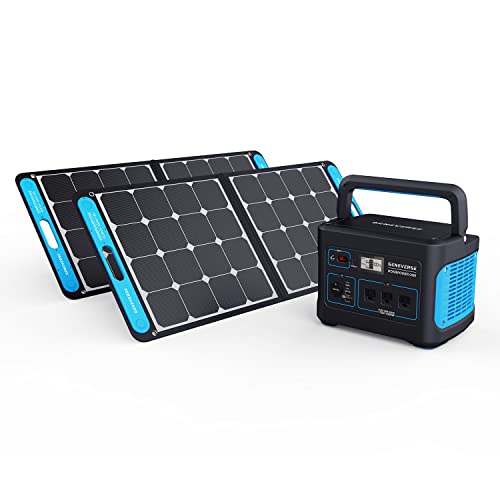
Startup And Runtime Picks: 11 Best Solar Generators For Fridge of 2026

Site-Smart Picks: 10 Best Wind Generator For Home of 2026
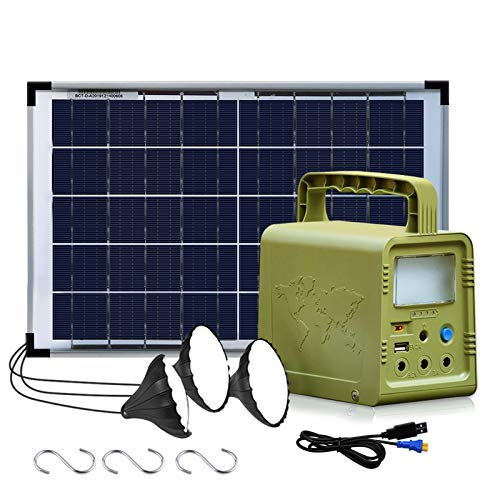
Portable Power: 12 Best Small Solar Generators of 2026

Cabin-Ready 10 Best Solar Generators For Cabins of 2026







