
Best Mini Waffle Maker for Chaffles 2026 Picks

A best mini waffle maker for chaffles should solve a simple problem without creating three new ones. Cheese-heavy batter can stick, overflow, or cook unevenly, leaving a pale center while the edges turn too dark. A dependable model heats the small cooking surface evenly, closes without crushing thicker mixtures, and releases the finished chaffle without a wrestling match. That sounds basic, yet those details separate a handy breakfast tool from another appliance collecting dust.
Compact cooking plates are especially useful for portion control because each batch naturally stays small. A four-inch cooking surface generally creates a chaffle that fits neatly under a burger, beside eggs, or inside a lunch container without trimming. Still, compact size brings a tradeoff. One chaffle at a time can feel slow during a busy morning, so households preparing several servings may prefer two mini units or a model with dual plates.
Consistent heat matters more than decorative colors or trendy finishes. Cheese browns quickly, and an overly aggressive heating element can scorch the outside before moisture escapes from the middle. On the flip side, weak heat often produces a soft, floppy result that won’t hold toppings. A well-balanced mini maker gives the batter enough time to set while creating those crisp pockets that make chaffles satisfying rather than rubbery.
Cleanup deserves just as much attention, frankly. Melted cheese has a habit of creeping toward hinges and narrow seams, especially after an overfilled scoop. Nonstick plates help, but they’re not a free pass for scraping with metal utensils or scrubbing while the surface is hot. A silicone brush, soft cloth, and slightly damp paper towel usually handle residue without wearing down the coating prematurely.
A reliable mini chaffle maker also needs a stable base and a lid that opens smoothly. Lightweight appliances can slide across polished counters while batter is being added, which gets annoying fast. Cord length is another small detail that becomes a big nuisance when the nearest outlet sits behind a coffee machine. Vertical storage, a cord wrap, and a cool-touch handle won’t improve browning, but they make daily use far less clumsy.
Timing varies with mozzarella, cheddar, almond flour, eggs, and added vegetables, so fixed expectations can lead to disappointing batches. Wetter mixtures need longer cooking, while extra cheese may crisp faster around the rim. Steam usually drops as the chaffle approaches a firmer texture, though opening the lid too early can tear the surface. Letting the finished chaffle rest on a wire rack for a minute also prevents trapped steam from softening the bottom.
The smartest pick balances speed, release, storage, and realistic batch size rather than chasing flashy claims. Removable plates can simplify washing, but they often appear on larger or pricier machines. Basic fixed-plate models remain practical when the batter is measured carefully and spills are wiped before they harden. For everyday chaffles, straightforward construction and predictable heat usually beat a crowded control panel.

- TAR Score9.2
TAR Score is a ranking system developed by TopAppliancesReviews.com. TAR score has no relationship or impact from any manufacturers or sales agent websites. Learn more
- BrandDASH

- TAR Score9.2
TAR Score is a ranking system developed by TopAppliancesReviews.com. TAR score has no relationship or impact from any manufacturers or sales agent websites. Learn more
- BrandDASH

- TAR Score9.0
TAR Score is a ranking system developed by TopAppliancesReviews.com. TAR score has no relationship or impact from any manufacturers or sales agent websites. Learn more
- BrandProctor Silex

- TAR Score9.0
TAR Score is a ranking system developed by TopAppliancesReviews.com. TAR score has no relationship or impact from any manufacturers or sales agent websites. Learn more
- BrandBELLA
- TAR Score8.8
TAR Score is a ranking system developed by TopAppliancesReviews.com. TAR score has no relationship or impact from any manufacturers or sales agent websites. Learn more
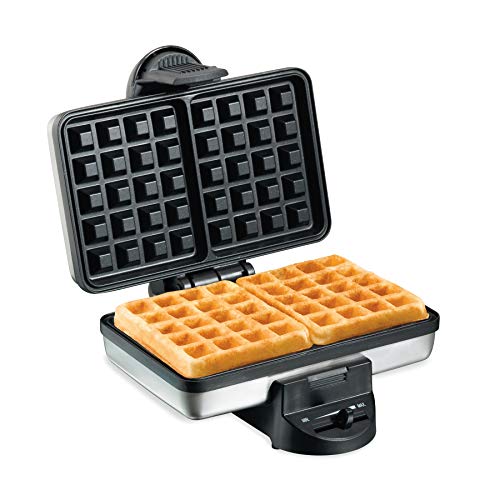
- BrandHamilton Beach

- TAR Score8.2
TAR Score is a ranking system developed by TopAppliancesReviews.com. TAR score has no relationship or impact from any manufacturers or sales agent websites. Learn more
- BrandOVENTE
Last update on 2026-08-13 / Affiliate links / Images, Product Titles, and Product Highlights from Amazon Product Advertising API
DASH Mini Waffle Maker for Chaffles
Small kitchens have a funny way of turning breakfast into a storage puzzle. A full-size appliance may cook faster, but it also hogs counter space and becomes one more bulky thing to move around. The DASH model takes a different route, pairing a 4-inch cooking surface with a compact body that slips into a cabinet, drawer, dorm shelf, or camper cupboard. For anyone weighing the best mini waffle maker for chaffles, that modest footprint is a practical strength rather than a cute novelty.
DASH Mini Waffle Maker
The DASH Mini Maker keeps operation about as simple as it gets. Plug it in, allow the plates to heat, add a measured portion, and close the lid. There are no temperature dials, timers, menus, or digital controls to fuss with, which cuts down on the learning curve. That plug-and-cook design suits rushed mornings, though it also means browning depends heavily on cooking time and batter consistency.
Its round plate makes a single four-inch waffle or chaffle at a time. That portion works nicely for keto sandwich rounds, breakfast stacks, small hash browns, and quick snacks without producing oversized leftovers. A single serving also makes experimentation less wasteful because a failed batter mix costs only a spoonful or two. Still, preparing four or five chaffles becomes a batch-by-batch affair, and patience starts wearing thin when several plates are waiting.
The aqua housing gives the appliance a cheerful look without changing how it cooks. More useful is the small body, which takes up little permanent counter space and can be tucked away once it cools. The included recipe guide offers a starting point for waffles and other pressed foods, although chaffle recipes often require separate experimentation with cheese, egg, almond flour, or seasonings. Compact storage remains the real selling point here, not elaborate accessories.
Chaffle Texture And Cooking Results
Chaffles put more pressure on a waffle maker than ordinary batter because melted cheese can spread, crisp, and stick in unpredictable ways. The DASH uses dual nonstick cooking surfaces designed to heat both sides at once, helping the mixture set without manual flipping. With a sensible portion, the edges brown while the center firms into a round that can hold eggs, meat, or sandwich fillings. Overfilling, however, sends cheese and egg toward the rim, where cleanup becomes noticeably less pleasant.
A four-inch plate naturally creates a thicker, smaller chaffle rather than a wide restaurant-style waffle. That shape is useful for buns and snack portions because the finished round feels sturdy once it rests for a minute. Removing it immediately may leave the bottom softer from trapped steam, so a wire rack often produces a crisper result. Resting time matters almost as much as cook time, especially with wetter cheese blends.
The fixed heat level can be forgiving with basic recipes, but it won’t adapt automatically to every mixture. Mozzarella tends to produce a milder, flexible chaffle, while cheddar browns faster and may leave more oil on the plates. Added vegetables introduce moisture, and thick batter can need extra time before the middle stops feeling soft. The maker delivers consistent small portions, yet the cook still has to watch steam, aroma, and surface color rather than relying on a programmable timer.
Everyday Use Beyond Chaffles
The phrase “mini waffle maker” understates what the cooking plates can handle. Shredded potatoes can become small hash brown patties, biscuit dough can flatten into a crisp-edged snack, and cookie dough can bake into a warm single portion. These uses make the appliance less likely to become a one-recipe gadget. The catch is that fat, sugar, and moisture behave differently, so the first attempt often requires a little trial and error.
Hash browns show both the appeal and the limitation of the format. The compact plate presses a neat portion with plenty of direct contact for browning, but raw potatoes may release moisture before they crisp. Squeezing the shreds dry and using a modest amount prevents the lid from floating above the food. That extra prep isn’t difficult, though it undercuts the idea that every ingredient can simply be dropped in without thought.
Cookies and biscuit pizzas can work, but portions need restraint because dough expands as it heats. A small amount creates crisp edges and a soft middle, while an oversized scoop can push into the hinge or spill over the side. The single-serving format is handy for portion control, late-night snacks, and quick lunches. From a practical angle, a separate reference for produce preparation is best juicer for carrots and apples, though that appliance category doesn’t affect waffle or chaffle results.
Cleaning And Countertop Practicality
Nonstick plates make basic cleanup easier because most cooked batter lifts away with a silicone or wooden utensil. Once the unit cools, a damp cloth can remove light oil and crumbs without soaking the appliance. The plates aren’t removable, so hardened cheese around the grooves takes more care than a dishwasher-safe insert would. Fixed cooking plates keep the machine simple and compact, but they’re also its clearest maintenance compromise.
Cheese runoff causes the messiest moments. A little excess batter can creep past the plate edge and settle near the hinge, an awkward area that isn’t easy to wipe while warm. Measuring the mixture before pouring saves more cleanup time than any special cleaning trick. Using metal forks or knives is a poor shortcut because scratches can weaken the nonstick coating and make future releases less dependable.
The lightweight body is easy to move, yet that low weight can allow it to slide on a smooth counter while the lid is lifted. Placing it on a stable, heat-safe surface helps keep the motion under control. Its short height and narrow width make storage painless compared with a deep Belgian waffle machine. The exterior still needs cooling time before it goes back into a drawer, so small size doesn’t mean instant storage.
Pros Of The DASH Mini Maker
The strongest advantage is its space-saving design. A four-inch appliance fits into places where a standard waffle maker feels unreasonable, including studio kitchens, dorm rooms, office break areas, and RV cabinets. It also leaves room on the counter for a coffee maker, toaster, or mixing bowl. That matters in daily life because appliances used often need to stay accessible without taking over the room.
Simple operation is another honest benefit. There’s no complicated setup, and the heating process begins as soon as the plug meets the outlet. A basic egg-and-cheese mix can move from bowl to plate with very little preparation. For the best mini waffle maker for chaffles, this direct routine removes distractions and keeps attention on portion size and doneness.
The appliance also handles more than standard waffles, giving it some flexibility despite the tiny format. Hash browns, pressed dough, biscuit snacks, and other single portions broaden its usefulness without extra plates or attachments. The nonstick surface usually releases properly cooked food with minimal resistance. Low-effort serving sizes make it especially convenient for one breakfast, one sandwich, or one quick snack.
Cons And Realistic Tradeoffs
Single-batch cooking is the biggest drawback. One small chaffle may be enough for a snack, but a full breakfast often requires two or more rounds. Each batch occupies the only cooking surface, and the earlier chaffles can cool while later ones finish. A warm oven can hold completed portions, though that adds another appliance to a supposedly simple routine.
The lack of temperature adjustment may frustrate cooks who like precise control. Delicate batter, oily cheese, and dense potato mixtures don’t all benefit from the same heat behavior. Timing adjustments help, but they can’t fully replace a browning dial. Fixed heat keeps the controls foolproof while limiting customization.
Removable plates would make cleanup easier, particularly after cheese reaches the outer grooves. Instead, every wipe has to happen on the appliance itself, with attention paid to keeping moisture away from electrical parts. The small capacity also makes overflowing surprisingly easy because a spoonful too much has nowhere to go. These aren’t deal breakers, but careful portioning is part of owning this machine rather than an optional habit.
What Makes It Different
Larger waffle makers compete on capacity, browning controls, rotating plates, and deep pockets. The DASH Mini Maker competes on convenience, storage, and quick single portions instead. That difference makes it better suited to repeatable small meals than weekend brunch for a crowded table. Its minimalist design trades speed and control for a smaller footprint and simpler routine.
The four-inch shape also fits chaffle recipes unusually well. A round of that size can replace an English muffin, support a small burger, or become the base of a compact breakfast sandwich. Bigger waffles may look impressive, but they can become floppy or awkward once used as bread. Here, portion shape adds practical value rather than merely reducing appliance size.
Color choices and gift-friendly packaging add visual appeal, yet those points shouldn’t overshadow the cooking limitations. The machine makes sense when one-at-a-time portions feel manageable and cabinet space is tight. It makes less sense for large households, frequent brunch hosting, or anyone who wants removable plates and adjustable browning. The difference comes down to small-batch convenience, not broad cooking capacity.
Dash Multi Mini Waffle Maker for Chaffles
Cooking one tiny waffle after another sounds charming until three hungry people are standing beside the counter. That bottleneck is exactly where the Dash Multi Mini steps away from the usual single-plate design. Built to cook four small rounds in one batch, it brings a more practical rhythm to anyone searching for the best mini waffle maker for chaffles without surrendering the compact portions that make chaffles useful. The setup stays refreshingly simple, yet the larger cooking area changes how smoothly breakfast moves.
Dash Multi Mini Quad Waffle Maker
The defining feature is the four-waffle cooking layout. Instead of waiting through several individual cycles, one pour can produce four mini waffles or chaffles at the same time. That difference matters during family breakfasts, weekend meal prep, or rushed mornings when serving one person at a time just won’t cut it. Each section keeps the familiar mini shape, so the finished rounds still work neatly as sandwich buns, snack portions, or small breakfast stacks.
Operation doesn’t involve menus, temperature charts, or a pile of buttons. Plug the machine in, watch the indicator light, and add the batter once the plates are ready. The one-step setup keeps the routine approachable, especially when breakfast is competing with packed lunches, ringing phones, and somebody asking where their shoes went. Less control does mean less customization, though, since there’s no adjustable heat setting for recipes that brown at different speeds.
The graphite exterior gives the appliance a restrained, modern look that won’t shout across the kitchen. More importantly, the body remains relatively compact for a machine that makes four portions at once. It takes more room than a single four-inch maker, naturally, but the extra footprint buys a sizable jump in batch capacity. That’s a fair exchange when faster group serving matters more than squeezing the appliance into a narrow drawer.
Chaffle Capacity And Cooking Rhythm
Chaffles often require repeated batches because a single sandwich may use two rounds. A one-at-a-time machine can turn that simple meal into a stop-and-start project, especially when several servings are needed. The quad plate tackles that frustration directly by producing enough pieces for two chaffle sandwiches in one cycle. For the best mini waffle maker for chaffles, batch size isn’t a flashy extra here; it’s the feature that changes the entire pace of cooking.
The four wells also make portioning easier to see. Batter can be divided across the plate rather than heaped into one deep section, reducing the temptation to overfill. Still, cheese-and-egg mixtures spread as they heat, and a heavy-handed pour can creep beyond the individual circles. Measured portions remain essential because an overflowing quad plate creates more edges and seams to wipe than a single mini maker.
Cooking four chaffles together can also help keep serving temperatures consistent. Nobody gets a cold first batch while waiting for the fourth round to finish, which is a small but noticeable improvement at the table. The machine’s quick heat-up system supports that smoother flow, although the supplied information doesn’t specify an exact preheating or cooking time. Real results will still vary with cheese type, added flour, moisture level, and the thickness of each pour.
Dual Nonstick Plates In Daily Use
The dual nonstick heating plates cook from above and below, giving each mini section direct contact on both sides. That setup helps chaffles firm up without flipping, pressing, or moving them midway through the cycle. The easy-release surface is especially relevant with melted cheese, which can cling stubbornly to untreated metal. A properly cooked round should lift more cleanly, preserving the crisp patterned surface rather than tearing it apart at the edge.
Nonstick coating makes removal easier, but it doesn’t make the plates indestructible. Metal forks, sharp knives, and rough scrubbers can scratch the surface and gradually undermine the very release performance that makes the appliance convenient. Silicone or wooden utensils are the safer choice for lifting chaffles from the wells. Once the unit cools, a soft damp cloth should handle ordinary crumbs, grease, and light cheese residue without aggressive scraping.
The plates use PTFE-based nonstick coating, a detail worth knowing rather than glossing over. Some kitchens are comfortable with that familiar coating, while others specifically prefer appliances made with different surface materials. The product information highlights smooth release and faster cleanup, not removable plates or dishwasher-safe components. That means cleanup is easier, not automatic, and spills near the hinges still require careful hand wiping.
Texture, Browning, And Recipe Variables
Chaffle texture depends on more than the waffle maker. Mozzarella usually creates a milder and more flexible result, while cheddar tends to brown faster and release more visible oil. Almond flour, coconut flour, vegetables, and seasonings all change the moisture level and cooking behavior. The Dash supplies consistent plate contact, but the recipe still determines whether the finished chaffle turns crisp, tender, dense, or slightly floppy.
The lack of adjustable temperature keeps operation simple, though it asks the cook to pay attention. A cheese-heavy recipe may finish sooner than a thick batter with added vegetables, and the indicator light isn’t a doneness timer. Steam, aroma, and surface color become the practical cues. Leaving a finished chaffle on a wire rack for a minute can also improve edge crispness by letting trapped moisture escape instead of collecting underneath.
Four separate rounds may not brown with absolute visual uniformity if the batter portions differ. One well filled a little deeper can stay softer while a thinner portion cooks faster. A small scoop or measuring spoon helps distribute the mixture more evenly across the plate. That extra ten seconds of care often matters more than chasing an exact cooking time that won’t suit every chaffle recipe.
Counter Space And Family Practicality
The appliance sits in an interesting middle ground. It isn’t as tiny as a single mini maker, yet it avoids the bulk of a full-size Belgian waffle machine. The space-saving shape makes sense for kitchens that need better batch output but can’t justify a large rotating iron. Non-slip countertop stability also helps keep the unit planted while the lid is opened, batter is poured, or finished rounds are lifted.
Storage may require a cabinet shelf rather than a shallow utensil drawer. That’s the price of fitting four cooking wells into one machine, and it shouldn’t be ignored. A solo cook making one chaffle occasionally may see the extra capacity as wasted space. A busier kitchen, however, can put those four wells to work quickly enough that the larger footprint feels practical rather than excessive.
The machine’s family-breakfast focus extends beyond chaffles. Traditional waffle batter can fill all four rounds, allowing different toppings without cutting a large waffle into uneven pieces. Small portions also suit children’s plates, snack boards, or frozen make-ahead batches. From a related cooking angle, the best Hong Kong bubble waffle maker represents a different waffle format built around one large, airy sheet rather than four compact rounds.
Strengths That Matter Most
Batch efficiency is the clearest strength. Four mini rounds per cycle reduce the repetitive waiting that comes with single-waffle appliances. That advantage becomes even more useful for chaffle sandwiches because one batch can supply both halves of two servings. The machine keeps the convenient mini size while fixing one of the format’s most irritating limitations.
The straightforward setup is another benefit. No programming, no complicated controls, and no recipe-specific mode selection stand between the cook and the first batch. The indicator light provides a visible readiness cue, while the dual heated plates handle both sides at once. This low-fuss operation suits mornings when attention is already split among several tasks.
Easy release and compact group cooking work well together. A machine that produces four pieces but leaves each one welded to the plate would save no meaningful time. The nonstick surface is designed to let waffles and chaffles lift more smoothly, making consecutive batches less frustrating. For meal prep, that can mean building a small stack of portions without stopping to scrape the wells after every cycle.
Limitations Worth Keeping In Mind
The quad design can create a larger mess if the batter is overpoured. Cheese may spread between the circles or reach the outer edge, and fixed plates can’t be carried to the sink for soaking. Careful filling prevents most of that trouble, but the learning curve is real with loose egg mixtures. Easy cleanup depends on sensible portions, not merely on the presence of nonstick coating.
Temperature control is absent, so every recipe cooks under the same heating behavior. That simplicity is convenient for basic waffles and standard chaffles, yet it limits fine adjustment for delicate doughs or mixtures that brown quickly. Timing becomes the only practical control available. Anyone who prefers precise shades from pale and soft to deeply crisp may feel boxed in by the fixed-heat design.
Capacity can be a weakness as easily as a strength. Four rounds make sense for families, couples preparing sandwiches, or batch cooking, but they may be excessive for one small portion. The unit also needs more storage room than the familiar palm-sized Dash maker. Its value comes from solving a throughput problem, so kitchens without that problem may be better served by a smaller appliance.
How It Differs From A Single Mini Maker
A standard mini maker wins on portability and drawer-friendly storage. The Dash Multi Mini wins on simultaneous cooking, delivering four portions without repeating the pour-and-wait routine several times. Both formats preserve the small round shape that makes chaffles convenient as bread substitutes. The deciding factor isn’t cooking complexity; it’s how many pieces need to reach the plate at roughly the same time.
The quad layout also changes meal planning. A single maker feels suited to spontaneous snacks, while this model better supports breakfast for several people or a batch headed for the refrigerator. Four matching rounds simplify portioning and reduce the uneven results that can happen when later batches use slightly different amounts of batter. That repeatability gives the larger plate a practical edge for make-ahead chaffles.
Portability takes the opposite turn. A tiny one-round maker is easier to tuck into an RV bin, dorm cabinet, or crowded suitcase, while the Multi Mini asks for a little more breathing room. The tradeoff is plain: carry less and cook longer, or store a larger machine and finish sooner. The Dash Multi Mini is built around the second approach, with family-sized speed in mini portions rather than the smallest possible appliance body.
Proctor Silex Double Mini Waffle Maker
A breakfast bottleneck starts to feel ridiculous after the third round of waiting for one tiny chaffle. The Proctor Silex Double Mini addresses that everyday snag with two 4-inch cooking grids, letting two personalized portions cook side by side instead of one after another. That added capacity gives the best mini waffle maker for chaffles conversation a useful middle-ground option: faster than a single maker, yet easier to store than a bulky four-waffle machine. It’s a practical setup for crisp cheese-and-egg rounds, small waffles, hash browns, and freezer-ready batches without covering half the countertop.
Proctor Silex Double Mini Maker
The double-grid design is the feature doing the heavy lifting. Each 4-inch round grid creates an individual portion, so two different batters or add-ins can cook during the same cycle. One side might hold a plain mozzarella chaffle while the other gets cheddar, herbs, or a spoonful of almond flour. That flexibility keeps breakfast preferences from turning into a pile of separate pans and staggered serving times.
Proctor Silex states that the machine can make one or two waffles in about 2.5 minutes, giving it a clear speed advantage over cooking the same quantity one at a time. Actual timing can still shift with batter thickness, cheese moisture, and the amount placed on each grid. A dense hash brown mixture won’t behave exactly like standard waffle batter, naturally. Even so, two cooking positions make the whole routine feel less like watching paint dry.
The black housing keeps the appearance simple and unobtrusive, while the compact form is designed for cabinet or drawer storage. It occupies more width than a one-grid mini maker, but that extra space buys twice the output per cycle. For a small kitchen, that’s a sensible trade rather than needless bulk. The compact double format fits between solo cooking and full family-size waffle irons without going overboard.
Chaffle Results And Portion Control
Chaffle batter can be a slippery customer. Egg spreads quickly, cheese bubbles toward the edges, and an oversized scoop can escape before the lid settles. The two defined round grids make portion boundaries easy to see, helping keep each serving close to sandwich-bun size. Careful measuring still matters because controlled filling is the best defense against cooked cheese collecting around the outer seams.
The small diameter suits low-carb breakfast sandwiches particularly well. Two rounds can form the top and bottom of one sandwich in a single cycle, rather than forcing a second wait while the first chaffle cools. That detail may sound minor, but warm matching halves produce a noticeably better meal than one crisp round paired with another that’s barely off the plate. The dual portion layout solves that timing mismatch neatly.
Texture depends heavily on ingredients, so the appliance can’t do all the work. Mozzarella generally supports a softer, milder base, while cheddar can brown more quickly and leave extra oil behind. Added vegetables bring moisture that may require a longer cook, and thick mixtures can stay tender in the center. The grids provide direct contact on both sides, but recipe balance still determines whether a chaffle turns crisp, flexible, or a bit soggy.
PFAS-Free Nonstick Grid Benefits
The supplied product details highlight PFAS-free nonstick grids, which are designed to help cooked food lift without sticking stubbornly to the patterned surface. That matters with chaffles because melted cheese can grip ordinary metal like it has something to prove. A clean release keeps the round intact and reduces the need to pry at delicate edges. It also makes the machine more approachable for recipes that naturally contain plenty of fat or melted cheese.
Cleanup is straightforward on paper: let the maker cool, then wipe the grids clean. Fixed plates mean the entire appliance stays on the counter during cleaning, so it can’t be carried to the sink and soaked like removable inserts. Light crumbs and oil should be manageable with a soft damp cloth, while cooked overflow may require more patience. The easy-wipe surface helps, though sensible portions remain the real cleanup shortcut.
Utensil choice also affects how well the grids age. Metal forks, knives, and abrasive scrubbers can scratch a nonstick surface, turning easy release into a gradually worsening struggle. Silicone, wood, or other non-scratching tools are a safer fit for lifting finished chaffles. A gentle cleaning habit protects the nonstick performance without adding much effort to the breakfast routine.
Simple Controls For Busy Mornings
The operating process avoids unnecessary bells and whistles. Plug in the waffle maker, wait for the green ready indicator light, add batter, and close the lid. There’s no menu to scroll through or temperature setting to second-guess. That simplicity keeps the machine friendly for quick weekday cooking, especially while coffee, lunches, and morning schedules are all competing for attention.
The ready light indicates that the appliance is hot enough for batter, but it doesn’t serve as a precise doneness timer for every recipe. Chaffles made with different cheeses or flour substitutes can finish at different rates, even when the machine starts at the same temperature. Steam slowing down, a toasted aroma, and easier lid movement offer useful clues. The fixed-heat setup reduces complexity while placing more judgment in the cook’s hands.
No adjustable browning control means pale, soft waffles and deeply crisp chaffles can’t be selected with a dial. Cooking time becomes the main variable, so early batches may involve a little trial and error. That limitation is easier to accept in a compact machine aimed at speed and convenience rather than precision tinkering. Still, cooks who enjoy fine control may miss the ability to alter heat for delicate batters.
Pros That Improve Daily Use
Two-at-once cooking is the headline advantage, plain and simple. It speeds up chaffle sandwiches, lets separate flavors cook together, and makes small batch preparation less repetitive. The format also suits make-ahead breakfasts because matching portions can move from the grids to a cooling rack in pairs. Fewer cycles mean less standing around and a better chance that everyone eats while the food is still warm.
The small round shape adds practical value beyond looking tidy. Each portion can serve as a bun, snack waffle, compact hash brown, or child-sized breakfast without cutting a larger waffle into awkward pieces. Personalized ingredients can stay separated rather than being mixed into one shared batch. That individual serving design makes different tastes easier to handle without doubling the preparation work.
Storage is another clear strength. The appliance is designed to fit inside a kitchen drawer or cabinet, so it doesn’t need a permanent spot beside the toaster. That helps in apartments, dorm-style kitchens, RV setups, or crowded cupboards where every inch has a job. The space-conscious body offers more capacity than a standard mini maker without turning into a countertop anchor.
Cons And Practical Limitations
The fixed grids create the most obvious maintenance compromise. Nonstick coating helps food release, but messy overflow still has to be wiped from the appliance by hand. Cheese that reaches narrow edges can cool into stubborn residue, particularly after an ambitious pour. The weakness isn’t routine cleaning itself; it’s the lack of removable plates after a genuinely messy batch.
Two portions are faster than one, but they won’t fully satisfy a large breakfast crowd. Four sandwiches require multiple cycles, and earlier chaffles may begin cooling while later ones cook. A low oven can hold finished rounds, though that adds an extra step and uses more kitchen equipment. The machine’s moderate batch capacity fits couples and small households better than big brunch gatherings.
The 4-inch size can also feel restrictive for recipes loaded with vegetables, meat, or thick dough. Crowding too much into each well increases the risk of a soft center and spillover around the rim. Smaller portions usually cook more predictably, but they may not feel substantial on their own. This maker rewards restraint, which is useful for consistency but less appealing for oversized, heavily filled creations.
Waffles, Hash Browns, And Batch Prep
Traditional batter benefits from the same double layout. Two waffles can carry different mix-ins, such as berries on one side and chocolate chips on the other, without forcing everyone to settle on one flavor. The individual rounds also freeze neatly because they’re already portioned and don’t require cutting. According to the supplied details, cooked waffles can be made ahead, frozen, and reheated in a toaster for a faster meal later.
Hash browns bring a different set of demands. Excess water in shredded potatoes can slow browning and create steam instead of a crisp crust, so squeezing out moisture makes a meaningful difference. A thin, even layer provides better plate contact than a thick mound packed into the center. The dual heated surfaces can brown both sides together, but good potato preparation still decides whether the result becomes crisp or limp.
Breakfast tools often sit beside appliances used for entirely different prep jobs. From a practical angle, the best professional immersion blender belongs to that separate category, handling blending and pureeing rather than pressed waffles or chaffles. The distinction matters because the Double Mini stays intentionally narrow in purpose. It cooks small gridded portions quickly without pretending to replace broader kitchen equipment.
Difference From Single And Quad Models
A single mini maker takes up less room and suits occasional one-person snacks, but it stretches cooking time once two matching chaffles are needed. This Proctor Silex model uses a little more storage space to cut that wait in half. The double-grid difference feels especially worthwhile for chaffle sandwiches because both halves can finish together. That’s a better rhythm than repeatedly opening, refilling, and waiting on one small plate.
Quad machines push capacity further, yet their broader footprint may be harder to tuck into a drawer or crowded cabinet. The Double Mini lands between those formats, offering enough output for a couple of servings without claiming a large section of the counter. It won’t be the fastest setup for a crowd, but it avoids the bulk that comes with four cooking wells. The balance favors compact efficiency rather than maximum production.
Its strongest fit appears in routines built around one or two servings, personalized ingredients, and simple cleanup. The speed claim, ready light, PFAS-free nonstick grids, and freezer-friendly portions all support that kind of use. Its weaker spots are equally plain: no adjustable heat, no removable plates, and limited capacity for bigger gatherings. Those tradeoffs keep the Proctor Silex Double Mini focused on quick paired portions instead of trying to be every type of waffle maker at once.
Bella Snack-n-Store Mini Waffle Maker
Counter space disappears quickly once the toaster, coffee machine, and everyday prep tools settle in. A small appliance only earns its spot when storage is painless and cleanup doesn’t become a second chore. The bella Snack-n-Store brings a 4-inch cooking plate, a tidy cord system, and a stackable body to the search for the best mini waffle maker for chaffles. Its 350-watt heating system keeps the concept simple: make one compact portion, wipe the plate, wrap the cord, and put the unit away without rearranging the whole cabinet.
Bella Snack-n-Store Mini Maker
The Snack-n-Store follows the familiar single-serving formula, but its storage details give it a distinct personality. The stackable design allows multiple compatible units to sit together rather than wobbling around a shelf. That setup makes sense when separate makers are used for different plate designs or when several mini waffles need to cook at once. One machine remains easy to handle, while a small collection can stay organized instead of turning into countertop clutter.
The oatmilk finish softens the usual appliance look with rounded corners and a matte surface. Style won’t improve a chaffle’s texture, of course, but an appliance used several times a week doesn’t need to look like workshop equipment. The compact 4-inch format also fits naturally beside other breakfast tools without dominating the counter. It’s small enough for a cabinet, yet the cord wrap keeps the plug from dangling out and snagging whatever sits nearby.
Operation is refreshingly basic. Plug it in, wait for the ready indicator light, add the mixture, and close the lid using the cool-touch handles. There’s no digital menu, browning dial, or timer to manage, which keeps spontaneous snacks genuinely spontaneous. The tradeoff is clear, though: cooking control comes from portion size and timing rather than adjustable temperature settings.
Chaffle Performance And Portion Size
A four-inch plate creates a chaffle that feels naturally suited to breakfast sandwiches, burger-style buns, and quick side portions. Two finished rounds can replace bread without leaving oversized edges hanging over the filling. The individual serving size also makes recipe adjustments less wasteful because a new cheese blend or seasoning mix only uses a modest amount. That’s handy while figuring out whether a batter needs more structure, less moisture, or another minute under heat.
The 350-watt system is designed for quick, even heating across the small plate. Concentrating that power on a compact surface can help the top and bottom cook together rather than leaving a soft patch in the middle. Still, chaffle texture depends on more than wattage. Cheese type, egg ratio, and added flour all influence browning, oil release, and firmness, so identical cooking times won’t suit every mixture.
Single-batch cooking is the obvious catch. One chaffle may be enough for a snack, but a sandwich requires two rounds, and several servings mean repeating the cycle again and again. The small plate saves space while asking for patience, a familiar give-and-take with mini appliances. The best mini waffle maker for chaffles isn’t automatically the fastest machine, and this bella model favors storage convenience over group-sized output.
Portion control matters more than it first appears. Egg-and-cheese mixtures spread quickly once heated, and an ambitious scoop can push greasy overflow toward the hinge. A modest amount usually releases more cleanly and cooks with fewer soft pockets. With this machine, careful filling does more for consistent results than piling in extra batter and hoping the lid contains it.
EverGood Ceramic Nonstick Coating
The EverGood ceramic nonstick coating is one of the most meaningful features in the supplied description. Bella states that the coating is free from PFAS, PFOA, PTFE, lead, and cadmium, which separates it from mini makers built around conventional PTFE surfaces. That material choice may matter in kitchens that specifically avoid those substances. It also supports smoother food release, particularly with cheese mixtures that can cling stubbornly to uncoated metal.
A clean release protects more than the appearance of the chaffle. Tearing a round while lifting it can leave the crisp outer layer on the plate and the soft middle on the utensil, which is a lousy way to start breakfast. The ceramic surface helps reduce that tug-of-war when the food is properly cooked. Silicone or wooden tools remain the sensible choice because metal utensils can scratch even a well-made nonstick coating.
Cleanup stays simple when the batter remains inside the cooking area. After the appliance cools, crumbs, cheese oil, and light residue can be wiped from the fixed plate with a soft damp cloth. The plate doesn’t appear to be removable, so the entire unit can’t be placed in a sink or dishwasher. That makes the easy-wipe surface valuable, but it also means overflow around narrow edges takes more patience.
Ceramic coatings reward gentle treatment. Abrasive scrubbers, sharp tools, and cooking sprays that leave stubborn buildup can gradually reduce release performance. A thin layer of appropriate fat in the batter may be enough, depending on the recipe, without coating the plate in extra residue. The practical lesson is simple: nonstick convenience still needs careful maintenance if it’s expected to last.
Heating, Texture, And Timing
The ready light removes some of the guesswork at the beginning of each batch. Adding batter before the plate reaches cooking temperature can encourage sticking and produce a pale, soft exterior. Waiting for the heat-ready signal gives the mixture immediate contact with a properly warmed surface. That first burst of heat helps set the patterned shell before cheese and egg have time to wander toward the edges.
Doneness still requires judgment because the indicator isn’t described as an automatic completion timer. Steam tends to decrease as moisture leaves the mixture, while the aroma shifts from cooked egg toward toasted cheese. Opening too early can split the chaffle across the middle, especially with softer mozzarella-heavy recipes. A little restraint helps the crisp exterior form before the lid is lifted.
Freshly removed chaffles often soften underneath if they’re placed flat on a plate. A short rest on a rack lets steam escape from both sides and can preserve the browned texture. That step becomes more useful during multiple batches because stacked rounds trap heat and moisture between them. The machine handles the cooking, but post-cook airflow can decide whether the final bite stays crisp or turns limp.
The stated 350 watts suit the small dimensions, though no exact cooking time is provided in the supplied details. Thick batter, shredded vegetables, and high-moisture cheese may take longer than a plain waffle mix. That isn’t a flaw unique to this appliance; it’s simply how varied ingredients behave. The lack of a temperature dial means timing adjustments carry the burden whenever the recipe changes.
Storage And Everyday Handling
The Snack-n-Store name isn’t just decorative branding. Its cord wrap tackles one of those tiny annoyances that becomes surprisingly irritating in a packed cabinet. Loose cords snake around handles, catch on shelf edges, and pull neighboring appliances forward. Wrapping the cord against the body keeps the unit compact and makes it easier to lift out without bringing half the cupboard along for the ride.
Stackability has more value for households using multiple mini makers than it does for a single unit. Several machines can increase batch output while still storing in a relatively neat vertical arrangement. That approach offers flexibility: bring out one for a quick snack or use more than one during a busy breakfast. The downside is obvious, since buying and operating multiple units uses more outlets and adds equipment rather than replacing a larger waffle maker.
Cool-touch handles support safer opening and closing, especially when the exterior has been sitting over an active heating element. They don’t eliminate every hot surface, so fingers still need to stay away from the plate edges and escaping steam. Even so, the insulated grip area gives a clear place to handle the lid without awkwardly reaching around the body. That’s a modest feature with genuine everyday value.
The rounded shape and compact dimensions favor small kitchens, dorm-style spaces, and occasional travel setups where storage matters more than heavy production. One caveat deserves attention: the supplied information doesn’t state the appliance’s exact dimensions or weight. Claims about drawer fit should therefore depend on the available storage space rather than assumption. The small-footprint design is clear, but cabinet measurements still rule the roost.
Pros That Stand Out
Ceramic nonstick construction leads the strengths list because it supports easier release while avoiding the substances identified in the product description. Chaffles can be particularly messy, with melted cheese working its way into every patterned groove. A surface that lets the finished round lift with less resistance cuts down on broken edges and stubborn residue. That benefit affects both the food and the cleanup, so it carries more weight than cosmetic extras.
Storage features are unusually thoughtful for such a basic appliance. The stackable body and integrated cord wrap address the clutter that mini gadgets often create after their novelty wears off. Instead of balancing the cord underneath or looping it around the handle, everything stays gathered into one tidy package. That small bit of order can determine whether the maker remains accessible or gets buried at the back of a cabinet.
The ready light and cool-touch handles also make the routine approachable. There’s little setup to remember, and the visible indicator helps prevent pouring onto a plate that hasn’t warmed sufficiently. The insulated handle area gives the lid a safer contact point during cooking. Together, these simple usability features reduce friction without turning the appliance into a control-heavy countertop machine.
The four-inch shape fits chaffle recipes neatly, particularly those used as compact bread substitutes. It also suits single waffles and late-night snacks without requiring a full mixing bowl of batter. From a separate kitchen-appliance angle, a neutral reference is the best coffee maker under 2500, which covers beverage preparation rather than the small-batch griddling handled here. The bella remains focused on one modest portion at a time.
Cons And Real-World Tradeoffs
The biggest weakness is one-at-a-time capacity. Cooking two chaffles for a sandwich means waiting through two cycles, and feeding several people can drag the process out considerably. Earlier portions may cool while later ones cook unless they’re held on a rack or in a warm oven. The tiny footprint earns its keep in storage, but speed suffers once breakfast grows beyond a single serving.
Fixed temperature operation may also feel limiting. A browning dial could help handle the difference between delicate waffle batter and a cheese-heavy mixture that colors quickly. Without one, timing and observation become the only tools for adjustment. The lack of heat control keeps the machine inexpensive and simple in concept, yet it won’t satisfy cooks who prefer precise control over every shade of browning.
The non-removable plate creates another compromise. Routine wiping sounds easy, and it probably is after a neat batch, but overflow around the hinge can’t be soaked away in a sink. A damp cloth and patience have to do the job once the appliance cools. The ceramic coating reduces sticking on the main surface, though messy edges remain a manual cleanup task.
The four-inch diameter also limits heavily filled recipes. Large vegetable pieces, thick potato mixtures, or oversized scoops can prevent the lid from closing evenly and may leave the center softer than expected. Smaller, balanced portions suit the heating layout better. That makes the appliance dependable within its lane, but recipe restraint is part of the deal rather than an optional suggestion.
How It Differs From Other Mini Makers
Many mini waffle makers rely almost entirely on their small size as the selling point. This bella model adds stackable storage, cord management, and ceramic coating, creating a more considered setup around the same basic single-portion format. Those differences won’t change the number of waffles per cycle, but they improve how the appliance lives in the kitchen between uses. Storage and cleanup receive nearly as much attention as cooking.
Double and quad mini makers clearly win on output. They can prepare sandwich halves together or feed several plates with fewer rounds of pouring and waiting. The Snack-n-Store counters with a narrower body and easier handling for one quick portion. Its compact-versus-capacity tradeoff favors kitchens where counter and cabinet space matter more than brunch speed.
The ceramic surface also separates it from models using traditional PTFE nonstick grids. Bella explicitly identifies the coating as free from PFAS, PFOA, PTFE, lead, and cadmium, giving the material choice a clear role rather than leaving it vague. Some buyers will weigh that heavily, while others will care more about removable plates or adjustable heat. The difference is meaningful, but it doesn’t erase the limits of a fixed, single-round machine.
Customization appears in the product name through interchangeable or customizable plate styling, yet the supplied description doesn’t specify which plate variations are included with this exact unit. That detail shouldn’t be stretched into unsupported claims about accessories in the box. What can be said confidently is that the stack-and-store format, 350-watt heating, ready light, cool-touch handles, and EverGood coating shape the everyday experience. Those features favor neat storage and quick personal portions rather than high-volume breakfast production.
Hamilton Beach Double Mini Waffle Maker for Chaffles
One-at-a-time cooking can make a supposedly quick breakfast drag on longer than expected, especially when a sandwich needs two matching chaffles. This Hamilton Beach model tackles that snag with two cooking grids, a useful shade selector, and indicator lights that take some of the guesswork out of preheating. Those features give it a strong position among options for the best mini waffle maker for chaffles, particularly when crispness matters as much as compact storage. It still has limits, but the balance between capacity and control feels more practical than the bare-bones approach used by many tiny waffle makers.
Hamilton Beach Double Mini Maker
The main attraction is the ability to make two waffles at once. A single cooking cycle can produce both halves of a chaffle sandwich, two personalized breakfast portions, or a pair of compact hash browns. That saves the first piece from cooling on a plate while the second one cooks. For a small household, this double layout hits a sweet spot between a slow single-grid maker and a much wider four-waffle machine.
Each cooking area supports individual ingredients, so one side can hold a plain cheese-and-egg mixture while the other gets herbs, spices, or a different cheese. That flexibility helps when breakfast preferences don’t line up neatly. The personalized cooking sections also reduce the need to mix several full bowls of batter. Small adjustments stay contained, which means less waste if an experimental chaffle recipe doesn’t quite land.
The stainless steel exterior gives the unit a restrained look that blends more easily with standard kitchen appliances. Appearance doesn’t affect browning, naturally, yet a machine that remains on the counter shouldn’t look out of place beside a toaster or coffee maker. The surface is also described as easy to clean, which helps with light splatter and fingerprints. Its compact stainless steel design feels more grown-up than the brightly colored shell found on many mini models.
Shade Control For Better Texture
The shade selector is the feature that separates this machine from simpler plug-and-cook competitors. It ranges from lighter, softer results to darker, crispier surfaces, giving the cook more say over the finished texture. Chaffles benefit from that flexibility because mozzarella, cheddar, almond flour, and vegetables all brown differently. A fixed setting can handle basic recipes, but adjustable shade control offers more room to correct a pale or overly soft batch.
A darker setting can encourage crisp edges on cheese-heavy mixtures, while a lighter setting may suit traditional waffle batter that should stay tender inside. That doesn’t mean the dial removes every variable. Thick portions, cold ingredients, and excess moisture can still change cooking time. Even so, adjustable browning is far more useful than relying only on a clock and hoping every recipe behaves the same way.
The control also makes repeat batches easier to refine. A first chaffle that comes out too flexible can guide a small shade adjustment for the next pair, rather than forcing a complete recipe change. That kind of correction feels intuitive, especially during meal prep. The machine won’t offer restaurant-level precision, but its texture flexibility is a meaningful upgrade over mini makers with no heat-related control at all.
Chaffle Cooking Experience
Chaffle batter can be unruly because melted cheese spreads quickly and releases oil as it cooks. The double grids give each portion a defined area, helping keep the rounds compact enough for breakfast sandwiches or burger-style buns. Still, an oversized scoop can push mixture toward the outer edges and create a sticky cleanup job. Measured portions remain essential, no matter how dependable the nonstick surface may be.
The two-at-once format makes a noticeable difference in serving rhythm. Both sandwich halves finish under the same heat conditions, so their color and firmness are more likely to match. That consistency is harder to achieve with a single maker when one round sits cooling during the next cycle. For the best mini waffle maker for chaffles, synchronized cooking is a practical advantage rather than a flashy talking point.
Fresh chaffles often become firmer after a brief rest. Placing them on a wire rack allows steam to escape from both sides, preserving the crisp patterned surface instead of trapping moisture underneath. Stacking them immediately can soften the bottom, especially with wetter mixtures. The waffle maker handles the heat, but that short cooling step can be the difference between a sturdy sandwich round and a floppy one.
PFAS-Free Nonstick Plates
The supplied details identify the cooking plates as PFAS-free nonstick. That feature matters with chaffles because cooked cheese can cling tightly to patterned metal, tearing the round as it’s lifted. A smoother release keeps the edges intact and reduces the temptation to scrape aggressively. It also helps hash browns and regular waffles leave the grids with less tugging.
Nonstick coating still needs careful treatment. Metal forks, knives, and abrasive scrubbers can damage the surface, making future batches harder to remove. Silicone or wooden utensils are better suited to lifting food from the plates. Protecting the nonstick finish doesn’t require much effort, but rough handling can shorten its useful life surprisingly quickly.
The product description doesn’t state that the plates are removable, so cleanup appears to happen directly on the cooled appliance. Light crumbs and oil can usually be handled with a soft damp cloth, while cheese that escapes near the hinge may require extra patience. The easy-release grids reduce routine mess on the main cooking areas. They can’t, however, make careless overfilling disappear without a trace.
Simple Controls And Storage
The power and preheat lights provide clear visual guidance. One light confirms that the appliance is on, while the other shows when the plates are hot enough for batter. That setup prevents the common mistake of pouring onto a lukewarm surface, which can encourage sticking and pale results. It also keeps the process straightforward without adding digital menus or unnecessary buttons.
The preheat light doesn’t signal that every recipe is fully cooked. Cheese blends, potato mixtures, and standard waffle batter each release moisture at a different pace. Steam, aroma, surface color, and lid resistance still offer useful clues. The indicators remove uncertainty at the beginning, while hands-on judgment remains part of the final minute.
Storage is handled with a lid that locks for compact upright placement. Standing the unit vertically can free up shelf space and prevent the lid from flopping open inside a cabinet. This design is especially useful in narrow cupboards where appliances stacked flat become difficult to move. The maker is wider than a single-grid model, but the locking lid helps offset that difference once breakfast is over.
Pros Of The Hamilton Beach Mini Maker
The strongest benefit is paired cooking capacity. Two chaffles can become one complete sandwich in a single cycle, and two personalized waffles can reach the table at roughly the same time. That cuts down on repetitive pouring, waiting, and reheating. It’s a simple change, yet it makes the morning routine feel noticeably less piecemeal.
The shade selector adds another genuine strength. A light, tender waffle and a dark, crisp chaffle don’t need to be treated as though they’re identical. Adjusting the browning level supports different recipes without forcing the cook to rely solely on guesswork. This customizable crispness makes the appliance more flexible than many compact machines in the same category.
Upright storage, indicator lights, and PFAS-free nonstick plates round out the practical advantages. Each feature addresses a real point of friction: crowded cabinets, uncertain preheating, and food that refuses to release cleanly. None of them feels tacked on merely for marketing. From a separate appliance angle, a neutral reference is the best home coffee machine under 500, which relates to beverage preparation rather than the compact griddling handled by this waffle maker.
Cons And Practical Tradeoffs
The double layout is faster than a single maker, but it still won’t keep pace with a four-grid model during a large breakfast. Several sandwiches require repeated cycles, and completed portions may cool while later pairs cook. A warm oven can hold finished chaffles, though that adds another step. The moderate batch size suits one or two servings better than a crowded weekend table.
Fixed plates are another likely limitation. Easy-release coating helps with ordinary cleanup, but stubborn cheese near the hinge can’t be soaked separately if the grids remain attached. Wiping the appliance after it cools is manageable, yet a messy overflow may take more work than the product description suggests. The lack of removable plates matters most after overfilling, not after a neat batch.
The machine also occupies more cabinet width than the smallest one-round models. Upright storage helps, but it won’t magically fit every pantry or shallow drawer. Anyone prioritizing maximum portability may prefer a lighter single maker and accept longer batch times. This Hamilton Beach model chooses better capacity and control over the tiniest possible footprint.
Hash Browns And Other Small Meals
Hash browns benefit from heat pressing both sides at once, but moisture needs to be handled before the potatoes reach the grids. Wet shreds tend to steam, leaving the center soft instead of building a browned crust. Squeezing out excess water and spreading a thin layer improves contact with the plates. The shade selector can deepen browning, though proper potato preparation still determines most of the texture.
Traditional waffles can be personalized across the two cooking sections. One side may hold berries or chocolate chips while the other stays plain, allowing different preferences without mixing a large shared batch. Both portions finish together, which keeps one plate from sitting untouched while another cooks. The side-by-side customization gives the double format more value than speed alone.
Small waffles also lend themselves to make-ahead breakfasts. Their compact shape can be cooled individually, frozen without cutting, and reheated in a toaster later. Chaffles can follow a similar routine, although cheese type and moisture will affect how firm they feel after reheating. The machine’s portion-friendly format supports batch preparation without demanding the counter space of a full-size Belgian iron.
How It Differs From Basic Mini Makers
Most basic mini makers offer one plate, one heat level, and a single readiness light. Hamilton Beach adds two cooking sections and shade control, changing both output and texture management. Those differences are useful rather than decorative. They address the two frustrations that show up most often with chaffles: waiting for a second sandwich half and struggling to reach the preferred level of crispness.
A quad waffle maker will still produce more portions per cycle, but it also needs more storage room and counter width. This double model lands in the middle, balancing compactness with enough capacity for a pair of servings. The upright lid lock strengthens that compromise by reducing its shelf footprint. Its middle-ground design makes sense where one grid feels too slow and four grids feel excessive.
The PFAS-free nonstick plates further distinguish it from models built with other coating types. That specification won’t matter equally in every kitchen, but it provides a clearly stated material feature alongside the appliance’s functional benefits. The strongest differences remain easy to spot: paired portions, adjustable browning, readiness lights, and vertical storage. Its weaknesses are just as plain, namely fixed plates, moderate output, and a body larger than the smallest mini machines.

Top Rated Best Quality Range Hoods: 2026 Expert Picks
The 12 Best Small Solar Generators 2026

10 Best Quality Semi Automatic Washing Machine of 2026 For Leak-Free Laundry

11 Best Small Washer Machine of 2026 For Everyday Laundry

12 Best Vibration Pads For Washing Machine of 2026 To Stop Walking and Shaking

11 Best Selling Front Load Washing Machine of 2026 For Quiet Odor-Free Laundry

11 Best Washing Machine For King Size Bedding of 2026 To Prevent Cycle Errors

10 Best Small Front Loader Washing Machine of 2026 For Tight Closets






