
Best masticating juicer for hard vegetables 2026

Best masticating juicer for hard vegetables needs more than a slow motor and a pretty feed chute. Carrots, beets, ginger, turmeric, celery ribs, and firm apples ask a lot from a juicer because they’re dense, fibrous, and not always polite to weak augers. A good machine should pull produce down steadily, crush it with real pressure, and leave pulp that feels fairly dry instead of damp and wasteful. Nobody wants to stand there poking stubborn chunks every ten seconds, especially with breakfast already running late.
Torque matters more than loud speed here. Fast centrifugal models can spray juice quickly, sure, but hard vegetables often create foam, heat, and wetter pulp when the cutting basket can’t extract slowly enough. A masticating design gives the auger time to press juice out of tight fibers, which helps with bold ingredients like beets and ginger. That slower pace also feels calmer on the counter, which is a small mercy during a messy morning routine.
Feed chute size deserves a realistic look. A wide chute saves prep time, but it doesn’t magically fix poor crushing strength or a weak screen. Big carrot pieces still need a sturdy auger path, and beet chunks can still jam if the internal channel is cramped. So, the smarter pick balances convenience with dependable pressure instead of chasing the largest opening on the box.
Cleaning can make or break the habit. Hard vegetables leave bright stains, stringy pulp, and tiny fibers around the screen, so fewer parts and a simple brush routine help a lot. A juicer that takes ten minutes to scrub usually ends up parked in the cabinet, no matter how impressive it looked on day one. Smooth assembly, clear pulp exits, and dishwasher-safe removable parts can turn juicing from a weekend project into something that actually sticks.
Juice texture is another telltale sign. Carrot juice should taste full without feeling gritty, beet juice should pour smoothly, and celery shouldn’t leave long strands floating around like pond weeds. Some pulp is normal with slow juicers, but constant sludge points to poor filtering or rushed extraction. The better machines give enough body to feel fresh while still keeping the drink pleasant.
Durability earns its keep with hard produce. Dense roots can strain plastic gears, thin strainers, and lightweight motors, especially if the machine is used several times a week. A heavier base, strong auger material, reverse function, and a pulp outlet that doesn’t choke easily all matter in real kitchens. Hard vegetables aren’t gentle, and a juicer built only for oranges and cucumbers will show its limits fast.
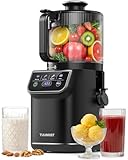
- TAR Score9.2
TAR Score is a ranking system developed by TopAppliancesReviews.com. TAR score has no relationship or impact from any manufacturers or sales agent websites. Learn more
- BrandTUUMIIST

- TAR Score9.0
TAR Score is a ranking system developed by TopAppliancesReviews.com. TAR score has no relationship or impact from any manufacturers or sales agent websites. Learn more
- BrandEanOruus

- TAR Score9.0
TAR Score is a ranking system developed by TopAppliancesReviews.com. TAR score has no relationship or impact from any manufacturers or sales agent websites. Learn more
- BrandAMZCHEF
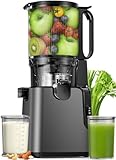
- TAR Score8.8
TAR Score is a ranking system developed by TopAppliancesReviews.com. TAR score has no relationship or impact from any manufacturers or sales agent websites. Learn more
- BrandYPONE

- TAR Score8.8
TAR Score is a ranking system developed by TopAppliancesReviews.com. TAR score has no relationship or impact from any manufacturers or sales agent websites. Learn more
- BrandYOYDS

- TAR Score8.8
TAR Score is a ranking system developed by TopAppliancesReviews.com. TAR score has no relationship or impact from any manufacturers or sales agent websites. Learn more
- BrandAirpher

- TAR Score8.6
TAR Score is a ranking system developed by TopAppliancesReviews.com. TAR score has no relationship or impact from any manufacturers or sales agent websites. Learn more
- BrandJocuu
Last update on 2026-06-20 / Affiliate links / Images, Product Titles, and Product Highlights from Amazon Product Advertising API
Best Masticating Juicer For Hard Vegetables
Dense produce has a funny way of exposing weak kitchen appliances. Carrots, beets, celery stalks, and chunks of ginger can quickly turn a promising juicer into a frustrating morning project filled with clogging, stopping, and extra cleanup. The Cold Press Juicer with a 100oz capacity enters the conversation as a best masticating juicer for hard vegetables candidate by focusing on convenience, juice yield, and a workflow that feels surprisingly relaxed. Instead of demanding constant attention, it aims to keep the process moving with whole-fruit feeding and a thoughtful anti-clog system.
Cold Press Juicer
Large vegetables often create the first challenge in everyday juicing. Chopping carrots into tiny pieces or slicing apples into multiple sections adds extra prep work before the machine even starts. This model tackles that annoyance with a 6.5-inch wide chute, allowing many fruits and vegetables to go in with minimal preparation. That simple change can shave several minutes off a typical juicing routine.
The wide opening isn't just about speed. Bigger feeding capacity creates a smoother rhythm in the kitchen because ingredients spend less time waiting on the cutting board. Busy mornings feel less hectic when produce moves directly from the counter into the juicer. For households that juice frequently, reduced prep time becomes one of the most appreciated benefits.
Hard vegetables can also create resistance inside the machine. Beet chunks and fibrous celery occasionally challenge even capable slow juicers. The inclusion of an auto-reverse function helps address that issue by automatically clearing developing blockages before they become major interruptions. Rather than stopping everything and taking parts apart, the machine attempts to restore flow on its own.
That feature contributes to a more hands-off experience. A juicer doesn't need to be completely autonomous to feel easier to live with. Small conveniences often have the biggest impact, and automatic jam management falls into that category.
Built For Large Batch Juicing
Single-glass juicing isn't always the goal. Many people prepare enough juice for several family members or make larger batches during meal prep sessions. The included 100oz juice pitcher changes the equation by reducing the need to stop and empty containers midway through production.
Capacity matters more than many buyers initially expect. Smaller pitchers can force multiple interruptions, especially when processing water-rich vegetables and fruits. This larger container creates a workflow that feels more continuous and less fragmented. Several pounds of produce can move through the machine without frequent pauses.
The design also supports multitasking. An integrated auto-shutoff feature adds a layer of convenience and safety while juicing larger quantities. That means attention can briefly shift toward preparing breakfast, cleaning produce, or organizing other kitchen tasks without constant monitoring.
Family-oriented juicing sessions often benefit most from this setup. Producing multiple servings in one run feels practical rather than cumbersome. The machine's overall capacity supports that goal without demanding excessive effort.
Touchscreen Controls And Everyday Operation
Control panels can either simplify a machine or make it unnecessarily complicated. This juicer leans toward simplicity through a responsive touchscreen interface that avoids cluttered buttons and confusing layouts. Commands feel direct, making operation approachable from the very first use.
The availability of multiple operating modes adds flexibility without overwhelming the experience. Different produce types don't always behave the same way during extraction. Having optimized settings allows adjustments based on ingredient texture rather than forcing everything through a single approach.
Touch controls also contribute to easier cleaning around the operating area. Traditional mechanical buttons often collect residue and moisture around seams. A smoother control surface tends to wipe down more easily after a busy juicing session.
Interestingly, the modern interface complements the machine's otherwise practical personality. It feels current without becoming flashy. Function remains the priority, and the touchscreen simply makes access to that functionality more pleasant.
Juice Yield And Hard Vegetable Performance
Extraction quality often separates average slow juicers from genuinely satisfying ones. Hard vegetables contain significant amounts of juice locked inside dense fibers, and poor extraction leaves that potential behind. This machine relies on cold press technology to gradually squeeze ingredients rather than aggressively shred them.
Low-speed operation helps minimize unnecessary heat during processing. Less heat and reduced oxidation can support the preservation of natural flavor and freshness characteristics. Carrot juice remains vibrant, celery maintains a cleaner profile, and beet juice retains its rich appearance.
The manufacturer states that the system can produce up to 30% more juice while generating noticeably drier pulp. Since actual yield depends on produce quality and ingredient selection, results naturally vary. Still, the emphasis on thorough extraction aligns well with what many people seek from a dedicated masticating juicer.
Hard vegetables are where the design makes the strongest argument. Fibrous roots and dense produce require pressure and patience rather than brute speed. The machine's slow pressing approach is particularly suited to those ingredients, helping reduce waste while maximizing usable juice.
For readers interested in similar wide-feed designs, a related reference appears in wide chute vegetable juicers, which highlights why larger feeding systems continue gaining attention among frequent juicers.
Noise Levels And Cleanup Realities
Morning juicing often happens before the household fully wakes up. Loud appliances can quickly become unwelcome companions during those quiet hours. This model addresses that concern with a quiet-operating motor designed to produce more of a subdued hum than an aggressive mechanical roar.
Noise reduction doesn't directly improve juice quality, but it absolutely changes the experience. Kitchens feel calmer. Conversations remain possible. Early routines become less disruptive. Those small quality-of-life improvements tend to matter more over months of ownership than they do during a quick product demonstration.
Cleanup receives equal attention. Juicers that are difficult to clean often end up abandoned, regardless of their extraction performance. Here, the use of dishwasher-safe components and a quick-release assembly system helps reduce post-juicing frustration.
Fibrous vegetables can leave residue behind, especially after processing celery or ginger. Simplified disassembly makes those cleaning tasks more manageable. Less time scrubbing means the machine is more likely to stay in regular rotation instead of collecting dust in a cabinet.
Tradeoffs still exist. A large-capacity juicer naturally occupies more counter and storage space than compact alternatives. Kitchens with limited room may need to consider that footprint carefully. For those prioritizing batch production and convenience, however, the extra size supports the machine's overall purpose rather than feeling excessive.
Best Masticating Juicer For Hard Vegetables
Prep work has a way of stealing the fun out of juicing. A pile of carrots waiting to be chopped, chunks of beetroot scattered across the cutting board, and a sink already filling with dishes can make healthy habits feel like extra work. The EanOruus Juicer steps into the best masticating juicer for hard vegetables conversation with a different approach, focusing on large-batch convenience, versatile food preparation, and the kind of capacity that changes how often the machine actually gets used.
EanOruus Juicer
Large ingredients are often the first hurdle for slow juicers. Apples, oranges, celery stalks, and thick carrots usually demand plenty of slicing before they ever reach the auger. EanOruus tackles that headache with a 6.5-inch extra-large chute, allowing many fruits and vegetables to enter with far less preparation. The result feels noticeably smoother during busy mornings when every minute counts.
Time savings aren't always flashy, yet they're often what separates a frequently used appliance from one that gathers dust. Fewer cuts, fewer interruptions, and fewer trips between cutting board and juicer create a workflow that feels natural. That convenience becomes especially noticeable during larger juicing sessions involving multiple ingredients.
Hard vegetables tend to reveal weaknesses in feed systems fairly quickly. Dense beets and fibrous carrots don't always cooperate with narrow chutes. The oversized feeding design helps maintain momentum throughout the process while reducing the repetitive prep work that many people eventually grow tired of.
Viewed from a practical perspective, the wide chute isn't merely a luxury feature. It's a daily convenience that removes friction from a routine that already requires effort elsewhere.
Built For More Than Just Juice
Versatility gives this machine a different personality compared to many single-purpose juicers. The inclusion of two interchangeable strainers allows it to move beyond traditional juice extraction and into homemade nut milk and frozen fruit sorbet preparation. That flexibility expands its usefulness throughout the year rather than limiting it to one specific task.
Nut milk preparation can be surprisingly rewarding for those who prefer controlling ingredients themselves. The ability to process soaked nuts into fresh milk adds another layer of value without requiring an additional appliance. Kitchen counters already fill up fast, so multipurpose equipment often earns extra appreciation.
The sorbet functionality introduces a completely different experience. Frozen fruit can be transformed into a smooth dessert without relying on artificial additives or complicated preparation methods. Fruit that's beginning to soften in the refrigerator suddenly gains a second life instead of heading toward waste.
Three-in-one functionality sounds ambitious on paper, but here it aligns naturally with the machine's overall design. The transition between tasks appears focused on practicality rather than gimmicks.
Heavy-Duty Performance For Hard Vegetables
Carrots, ginger, turmeric, celery, and beets can place considerable strain on a juicer. Dense fibers resist extraction and expose weak motors almost immediately. EanOruus addresses this challenge through a high-torque AC brushless motor engineered specifically for demanding ingredients.
Motor design matters because slow juicing depends on steady pressure rather than sheer speed. Crushing hard vegetables effectively requires consistency throughout the extraction process. A powerful motor helps maintain that pressure while supporting more complete juice extraction from stubborn produce.
The manufacturer describes the machine as suitable for heavy daily use. While individual experiences naturally vary based on produce selection and frequency of operation, the use of an AC brushless motor suggests an emphasis on durability and sustained performance rather than occasional use.
Fibrous vegetables often represent the toughest test. Celery strings, dense beet flesh, and ginger roots can challenge weaker machines. The EanOruus design appears focused on handling those ingredients without treating them as special cases.
Juicing enthusiasts frequently talk about dry pulp as a sign of efficient extraction. Actual results depend on ingredient moisture levels and preparation methods, yet the machine's high-torque design aims to maximize what can be extracted from each batch.
Large Capacity Changes The Experience
Capacity doesn't always receive the attention it deserves. Small hoppers can create constant interruptions that break concentration and extend preparation time. EanOruus includes a substantial 100oz hopper designed to process larger quantities before refilling becomes necessary.
That size creates opportunities for meal prep routines. Several servings can be prepared during one session rather than requiring multiple rounds throughout the week. A single setup, a single cleanup session, and a larger finished batch often feel more manageable than repeated daily preparation.
Family gatherings and weekend juice preparation benefit from the larger volume as well. Constantly stopping to reload ingredients can become surprisingly frustrating during extended use. The generous hopper helps maintain a more continuous flow from start to finish.
Practical efficiency often comes from reducing small interruptions rather than increasing speed. This capacity-focused design follows that philosophy quite closely.
Noise, Cleanup, And Daily Ownership
Kitchen appliances become easier to live with when they don't dominate the room. The whisper-quiet motor design aims to keep noise levels relatively controlled during operation. Early-morning juicing sessions feel less disruptive when the machine produces a softer mechanical sound instead of a harsh roar.
Cleanup remains one of the most important realities of juicer ownership. Even a capable machine can become inconvenient if washing parts feels like a chore. EanOruus attempts to simplify that process through dishwasher-safe removable components, including its removable pulp ejector.
Fibrous residue from celery and leafy greens can cling stubbornly to internal components. Removable parts help address that issue by providing easier access to areas that typically collect buildup. Less scrubbing often translates into more frequent use over time.
The bright white exterior adds a modern visual touch without becoming overly decorative. Some kitchens favor stainless steel, while others lean toward lighter finishes. This particular design tends to blend naturally into bright kitchen spaces while maintaining a clean appearance.
An unrelated kitchen tool category occasionally enters similar discussions about multipurpose preparation equipment, and a neutral reference appears in immersion blender options under 100 dollars. That separate category serves different purposes, yet it highlights how many home cooks increasingly value appliances that handle multiple kitchen tasks.
Tradeoffs still exist. The large hopper and expanded capacity require more storage space than compact juicers. Smaller kitchens may need to consider countertop availability carefully. On the other hand, households prioritizing batch preparation and reduced prep work may view that larger footprint as a reasonable exchange for the convenience it delivers.
AMZCHEF Slow Masticating Juicer
Root-heavy juice can test patience fast, especially after a few carrots, celery stalks, and ginger knobs start fighting the feed path. The AMZCHEF Slow Masticating Juicer feels built around that familiar kitchen tug-of-war, using a 7-spiral masticating system to press produce slowly instead of tearing through it with speed. For anyone hunting for the best masticating juicer for hard vegetables, this model puts its energy into steady extraction, less oxidation, and a calmer routine. It doesn't pretend juicing is effortless magic, but it does aim to make dense produce feel less like a chore.
AMZCHEF Slow Juicer
The first thing that stands out is the machine's focus on slow pressure. Hard vegetables need patience, and the 7-spiral system gives carrots, celery, ginger, and fibrous produce more contact time inside the chamber. That slower squeeze helps pull juice from dense plant fibers without relying on loud, aggressive spinning. It's a more measured approach, and frankly, that suits root vegetables better than brute force.
The design also leans into nutrient preservation through minimal oxidation. Fresh juice starts changing the moment air gets involved, so a slower masticating process makes sense for people who care about flavor, color, and texture. Carrot juice can taste cleaner, ginger can come through with a sharper kick, and celery doesn't need to feel watery or beaten up. The machine's strength is less about speed and more about keeping the juice feeling intentional.
AMZCHEF also notes that the juicer can handle ginger, celery, oranges, and fibrous fruits and vegetables. That matters because hard vegetable juicing rarely happens with only one ingredient. A typical mix may include carrot for sweetness, ginger for bite, celery for freshness, and citrus for balance. A juicer that can move between those textures without constant frustration feels more useful in real life.
There is a small reality check, though. The product notes that some sound during stirring is normal because the machine rubs against food while working. That detail actually feels honest, since hard vegetables aren't silent ingredients. The sound doesn't automatically mean something is wrong, but it does set a more realistic expectation for daily use.
Hard Vegetable Performance
Carrots and ginger don't forgive weak extraction systems. They push back, literally, and a juicer needs enough mechanical grip to pull juice from their dense structure. The spiral masticating design gives this AMZCHEF model a sensible advantage for firm produce because it crushes gradually instead of rushing. That can reduce the wet, wasteful pulp problem that often annoys people after using weaker machines.
Celery presents a different challenge. Long fibers can wrap, clog, or leave stringy bits if the juicer doesn't manage pulp well. This model's slow extraction style should be helpful for fibrous vegetables, especially when celery is cut into reasonable lengths before feeding. Even with a reverse function available, smart prep still matters because no slow juicer loves oversized tangled stalks.
Ginger is where slow juicing can feel especially rewarding. A small piece delivers strong flavor, but the root itself is tough, dry-looking, and stubborn. A masticating mechanism can press it more patiently, helping capture its sharp juice without requiring a large amount. That makes the AMZCHEF feel practical for recipes where strong flavor accents matter just as much as volume.
The machine is also positioned for high juice yield, though results depend heavily on produce freshness and moisture. A crisp carrot behaves differently from one that's been sitting in the fridge too long. That's not a flaw of the juicer, just kitchen reality. The best results will come from firm, fresh ingredients and steady feeding rather than forcing too much into the chute at once.
Pros Worth Noticing
The biggest strength is the 7-spiral masticating system. It gives the juicer a clear identity as a slow, pressure-focused machine rather than a fast appliance chasing convenience at any cost. For hard vegetables, that matters because dense produce needs repeated crushing and pressing. The system feels better matched to carrots, celery, and ginger than a basic entry-level extractor.
The reverse function is another practical advantage. Clogs aren't imaginary, especially with fibrous vegetables and leafy stems mixed into a juice recipe. Reverse mode gives the machine a way to back out trouble before the session turns into a full teardown. That's the kind of feature people appreciate after the first jam, not before.
Cleanup support also deserves a nod. AMZCHEF includes an easy-clean setup with a brush, which is useful because pulp screens and narrow channels can hold onto fibers. A brush may sound minor, but after celery strings and ginger residue dry in place, it becomes a little lifesaver. Juicing is much easier to repeat when cleanup doesn't feel like punishment.
The juicer's 110v-120v compatibility is another practical detail for U.S. kitchens. Appliances with unclear voltage requirements can create headaches, so this detail removes guesswork. It doesn't make the juice better, of course, but it does make setup more straightforward. Small clarity points like that can save frustration before the first carrot even hits the chute.
Cons And Tradeoffs
The feed experience may require more prep than wider-chute machines. This AMZCHEF model focuses on slow extraction, not whole-produce loading. Hard vegetables should still be cut into manageable pieces to protect the chamber and keep the flow steady. That extra chopping isn't terrible, but it's a real tradeoff for anyone who wants a drop-and-go routine.
Noise expectations also need a grounded view. The product notes that sound during stirring can happen as food rubs against the machine. That means the juicer shouldn't be judged as defective just because carrots or ginger create some mechanical noise. Still, anyone expecting near-silence may need to temper that expectation, especially with hard vegetables.
The design is best viewed as a juicer first, not an all-in-one kitchen machine. It can make juice from fruits and vegetables, but the provided details don't describe nut milk, sorbet, touchscreen modes, or large-batch automation. That narrower focus can be a strength for simple juicing routines. But for someone wanting one appliance to cover several prep tasks, the feature list may feel more basic.
Dense ingredients also require patience. Slow masticating juicers aren't built for rushing, and forcing produce too quickly can lead to resistance. The better habit is steady feeding, smaller pieces, and letting the auger do its job. That pace may feel old-school, but it usually suits high-yield juice extraction better than hurried pushing.
Daily Use And Recipe Fit
This juicer makes the most sense for routines built around fresh vegetable juice rather than occasional novelty use. Carrot-orange-ginger blends, celery-based green drinks, and simple beet mixes all fit the machine's stated strengths. The slow masticating process supports these recipes by pressing juice carefully from ingredients that can be tough or stringy. It feels like a machine for steady habits, not flashy counter appeal.
The included recipe angle is helpful too. Recipe guidance can reduce guesswork, especially when balancing strong vegetables like ginger with sweeter produce. A little structure makes it easier to avoid muddy flavors or overly harsh blends. For hard vegetables, smart pairing often matters as much as extraction strength.
From a reviewer perspective, the AMZCHEF's appeal comes from its practical restraint. It doesn't claim to be every appliance in the kitchen. Instead, it focuses on high juice yield, slower pressing, reverse support, and cleaning assistance. That narrower promise feels easier to trust because it matches what a masticating juicer should actually do.
One limitation remains worth repeating. The best results will depend on careful ingredient prep, especially with fibrous celery and tough ginger. Cutting produce into sensible pieces, alternating soft and firm ingredients, and cleaning soon after use will make ownership smoother. The machine can help, but good juicing habits still carry part of the load.
Where It Fits Best
The AMZCHEF Slow Masticating Juicer feels strongest in kitchens where vegetable juice is part of a repeatable routine. It suits people who care about carrots, celery, ginger, oranges, and fibrous produce more than oversized feed chutes or flashy digital panels. The value sits in the slower squeeze, the reverse function, and the everyday practicality of cleaning with a brush. Nothing here feels overly fancy, and honestly, that can be a plus.
Space and patience still matter. A slow juicer requires setup, produce prep, and cleanup, so it won't replace grabbing bottled juice from the fridge. But the tradeoff is fresher control over ingredients and texture. For anyone tired of watery blends or wasteful pulp, the masticating approach has a clear purpose.
The white finish gives it a clean, simple look without making the appliance feel too industrial. A bright kitchen setup can absorb it easily, though storage space should still be considered. Juicers tend to get used more often when they stay accessible, so hiding it in a deep cabinet may work against the habit. Countertop convenience often decides whether fresh juice becomes routine or wishful thinking.
As a best masticating juicer for hard vegetables option, the AMZCHEF stands out for its focused feature set. The 7-spiral extraction system, reverse function, brush-assisted cleanup, and stated support for fibrous produce all point toward practical daily juicing. It isn't the fastest path from carrot to glass, but slow and steady is exactly the point here.
400W Cold Press Juicer
A hard carrot can humble a weak juicer before the first glass is even poured. Beets stain everything, celery strings sneak into corners, and firm apples can make a small feed chute feel like a punishment. The 400W Cold Press Juicer steps into the best masticating juicer for hard vegetables space with a practical mix of large-feed convenience, slow squeezing, and simplified cleanup. It feels aimed at kitchens where fresh juice needs to be realistic, not some fussy weekend ritual that eats half the morning.
400W Cold Press Juicer
The 5.8-inch feed chute gives this juicer its first real advantage. Larger openings matter because hard vegetables often require more trimming than soft fruit, especially carrots, beet wedges, and firm cucumbers. Reducing that prep work makes the machine easier to live with during rushed mornings. Less chopping also means less mess on the cutting board, and honestly, that part counts.
The chute is large enough for many whole fruits and vegetables, based on the provided product details. That doesn't mean every oversized ingredient should be forced in without thought. Thick beetroot, awkward carrots, or very fibrous celery still benefit from smart sizing. The real benefit is fewer cuts, not careless loading.
The smart safety lock adds another useful layer. The machine stops once the lid opens, which helps reduce avoidable kitchen mishaps during assembly or mid-session adjustments. Juicers deal with moving parts, pressure, and wet hands, so lid-open protection feels like a sensible feature rather than a decorative spec. It brings a little reassurance without complicating operation.
Daily use often depends on whether a machine feels predictable. This model's wide chute and safety lock create a straightforward rhythm: load, press, monitor, clean. Nothing about that feels flashy, but good kitchen tools don't need drama. They need to keep the routine moving without demanding constant babysitting.
Slow Squeezing For Firm Produce
The juicer runs with 55rpm low-speed squeezing, which suits dense vegetables better than frantic spinning. Hard produce needs compression and patience because its juice hides inside tight fibers. A slower masticating process presses instead of shredding aggressively, helping preserve natural flavor while limiting heat buildup. That slower rhythm can be especially helpful with carrots, celery, and firm apples.
Oxidation is one of those details that sounds technical, but the everyday meaning is simple. Juice can lose freshness faster when it gets whipped with too much air and heat. This machine's cold press approach is designed to reduce that issue by grinding and squeezing at a controlled pace. The result should feel closer to fresh-pressed juice than foamy, beaten-up liquid.
Hard vegetables also tend to punish impatient feeding. A 400W motor gives the machine a practical power foundation, but the best experience still comes from steady loading. Carrots should go in with enough space for the auger to grab them cleanly. Celery is better handled in shorter pieces because long fibers can be a nuisance in almost any juicer.
Flavor retention matters more than many people expect. Beet juice can become muddy if extraction feels rough, and celery can taste harsh when overworked. The slow masticating style gives those ingredients a calmer path from produce drawer to glass. That makes the machine more appealing for vegetable-forward juice blends where texture and balance actually matter.
Dual Strainers And Juice Texture
The dual-strainer design is one of the more interesting details here. The product description mentions double-layer filtering through a 0.3mm mesh, which suggests extra attention to texture. Hard vegetables can leave tiny fibers behind, especially celery and ginger-style ingredients. A finer filtering system can help create a cleaner pour with less visible residue.
The product description also states a high juice yield up to 99%. That figure comes from the provided product information, not independent testing here, so it should be read as a manufacturer claim rather than a guaranteed kitchen result. Actual yield depends on freshness, ingredient moisture, cutting size, and feeding pace. Still, the focus on twice filtering and reduced clogging fits the needs of dense produce quite well.
Clogging can ruin the mood fast. Fibrous pulp can gather around screens, slow the flow, and force mid-session cleaning. The non-clogging strainer setup aims to keep juice moving while reducing pulp residue. For frequent vegetable juicing, less screen buildup can be the difference between using the machine three times a week and giving up after two tries.
Texture preferences vary, of course. Some people like a bit of body in their juice, while others want it smooth and clean. This model seems better suited to cleaner juice fans because of the fine mesh and layered filtering. That may be a strength for carrot-orange blends, beet-apple mixes, and celery-based drinks that can feel unpleasant if too pulpy.
Simple Handling And Cleanup
Juicer cleanup has ended many healthy routines before they had a fair chance. This model tries to lower that barrier with three main parts that assemble and come apart quickly. Fewer pieces usually mean less confusion after washing and less chance of leaving one awkward part drying on the counter. That simplicity gives the machine a friendlier daily-use personality.
The one-button control also keeps operation approachable. A machine doesn't need a crowded panel to be useful, especially if the goal is basic cold-pressed juice. Simple controls work well for repetitive routines because muscle memory kicks in quickly. After a few sessions, one-button operation can feel refreshingly direct.
The included push rod and cleaning brush are small but practical additions. Hard vegetables can resist feeding at times, and a push rod helps guide ingredients safely without improvising. The brush matters even more after celery or carrot pulp dries around the mesh. Cleaning right after juicing is still the smarter move, but having the proper tool nearby makes that habit easier.
Surface cleaning also gets attention through the durable shell described in the product details. A wipe-clean exterior helps after beet splashes, orange drips, and the usual sticky fingerprints. Titanium gray can hide minor smudges better than bright white finishes, which is a quiet but useful advantage. The machine feels designed for visible counter use, not just occasional storage.
Strengths In Everyday Juicing
The strongest advantage is the balance between wide feeding and slow extraction. Some juicers focus on convenience but lose the plot with hard vegetables. Others extract well but require endless prep. This model lands in a practical middle ground, giving firm produce enough room up top while using a slower press underneath.
Safety also deserves credit. The smart lid lock is especially useful in a busy kitchen where hands move quickly and distractions happen. Nobody wants a juicer that keeps running during careless adjustments. This feature keeps the process more controlled without asking the operator to think too much about it.
The dual strainers help support cleaner juice texture. Dense vegetables can create gritty or fibrous drinks if filtering is weak. With the stated 0.3mm mesh and double-layer system, the machine aims to reduce pulp carryover. That makes it better suited for people who prefer smooth vegetable juice rather than a thick, spoonable drink.
Ventilation on both sides is another practical strength. Heat management matters during longer sessions, especially with firm produce that asks more from the motor. The side vents are designed to prevent overheating while the machine works, which may help support longer appliance life under regular use. It's not glamorous, but cooler operation is the kind of detail experienced buyers notice.
Tradeoffs Worth Knowing
The large chute reduces prep, but it doesn't eliminate judgment. Whole vegetables and fruits may fit, yet very hard or oddly shaped produce can still benefit from trimming. Forcing ingredients too quickly could create resistance or uneven feeding. The machine is capable, but smart prep habits still matter.
The 55rpm speed is great for slow pressing, though it won't satisfy anyone chasing instant juice. Cold press machines take their time by design. That pace can feel calm in the right routine and annoying in the wrong one. Patience is part of the bargain with masticating extraction.
The high-yield claim should also be handled with realistic expectations. Produce varies wildly by season, storage time, and water content. A fresh cucumber will behave differently from a dry carrot, and a crisp apple won't match an older one from the fridge drawer. The juicer can support better extraction, but it can't rewrite ingredient quality.
The related topic of mood and citrus nutrition appears in orange juice and depression, though that reference sits outside this juicer's mechanical performance. Fresh juice habits often overlap with broader wellness questions, but this machine should be judged mainly on extraction, cleanup, safety, and how well it handles hard vegetables.
Best Use Cases And Realistic Fit
This 400W Cold Press Juicer makes the most sense for vegetable-heavy routines. Carrot blends, celery mixes, beet-based drinks, and apple-vegetable combinations all match its slow squeezing design. The wide chute helps reduce prep fatigue, while the dual strainers aim for a cleaner finish. That combination feels practical for repeat use rather than occasional curiosity.
Smaller kitchens should still think about footprint. A larger chute and full-size body usually mean more counter space than compact personal juicers. That tradeoff may be worthwhile if the machine stays out and gets used often. Hidden in a cabinet, even a capable juicer can become another forgotten appliance.
The cleaning setup gives it a better chance of becoming part of a routine. Three main parts, a brush, and simple disassembly make post-juice maintenance less intimidating. Vegetable pulp still needs prompt attention, especially around mesh areas. But the design doesn't appear to make cleanup harder than it needs to be.
As a best masticating juicer for hard vegetables pick, this model's appeal sits in its practical engineering. The 5.8-inch feed chute, 55rpm cold press system, double-layer strainers, safety lock, one-button control, and side vents all serve real kitchen concerns. It won't remove every bit of prep or cleanup, but it does address the usual pain points with a grounded feature set.
5.5-Inch Cold Press Juicer
Counter space gets crowded fast once fresh juice becomes more than a once-a-month idea. Carrots need trimming, celery leaves wet strings everywhere, and pulp containers have a sneaky habit of looking messy before the second glass is done. The 5.5-Inch Cold Press Juicer brings a cleaner, more tucked-in approach to the best masticating juicer for hard vegetables category with its wide feed chute, slow 55 RPM pressing, and concealed pulp container. It feels less like a showy gadget and more like a practical kitchen helper for firm produce that usually makes juicing feel like a small workout.
5.5-Inch Cold Press Juicer
The 5.5-inch feed chute is the feature that sets the tone right away. Hard vegetables usually demand more knife work than soft fruit, especially carrots, celery, and firm apples. A wider opening reduces that pre-cutting routine, which makes the whole process feel less fussy. That doesn't mean every giant beet should be shoved in whole, but it does mean fewer little piles on the cutting board.
Prep time matters because juicing can lose its charm quickly. Nobody wants a healthy habit that starts with fifteen minutes of chopping and ends with pulp stuck in three corners. This machine's larger chute helps create a more relaxed rhythm, letting ingredients move from rinse bowl to juicer with fewer interruptions. For everyday use, reduced prep work is more valuable than it sounds on paper.
The product details also mention whole fruits and vegetables, which fits the convenience angle nicely. Still, dense roots and awkward produce shapes deserve a bit of common sense. Cutting especially thick carrots or oversized produce into manageable pieces can protect the feed path and help the auger work smoothly. A wide chute helps, but smart loading still keeps the session moving.
The overall feel is practical rather than flashy. This juicer seems built for people who want fresh juice without turning the counter into a produce prep station. That alone gives it a strong place among slow juicers meant for hard vegetables. Little chores shrink, and that makes the appliance easier to reach for again tomorrow.
Slow Pressing And Juice Quality
The 55 RPM operating speed gives this juicer its cold press personality. Instead of tearing ingredients apart at high speed, it uses slow masticating pressure to squeeze juice from fruits and vegetables with less heat buildup. That approach makes sense for hard produce because carrots, celery, and similar ingredients need steady compression. Fast spinning can feel exciting, but slow pressing is often the more sensible fit for dense fibers.
Low-speed juicing also helps reduce oxidation during extraction. The everyday benefit is simple: juice can keep more of its fresh taste, natural color, and clean texture when it isn't whipped around too aggressively. The product description focuses on preserving flavor and nutrients through its slow cold press design. That claim lines up with the basic reason many people choose masticating juicers in the first place.
The multi-stage compression technology adds another layer to the extraction story. Hard vegetables don't release juice all at once, so repeated pressure can help pull more liquid from stubborn fibers. Carrot juice, celery juice, citrus blends, tomato juice, and lime-based mixes are all listed in the provided product details. That range gives the machine a useful blend of firm-produce capability and everyday fruit flexibility.
Texture matters too. Some juicers leave drinks feeling gritty or overly pulpy, especially after celery or carrot-heavy recipes. This model aims for less pulp while maintaining a fresh flavor profile. For a best masticating juicer for hard vegetables pick, that cleaner pour can make the difference between a juice that feels refreshing and one that feels like strained soup.
High Yield Claims And Realistic Expectations
The product description states a high juice yield up to 99%. That figure should be treated as a manufacturer-provided claim, not a universal guarantee in every kitchen. Produce freshness, moisture level, feeding pace, and cutting size all influence actual output. A crisp carrot behaves differently from one that's been drying out in the fridge drawer.
Still, the focus on yield fits the machine's purpose. Hard vegetables can feel expensive to juice if too much liquid stays trapped in the pulp. A slow masticating system is designed to squeeze more carefully, which may help reduce waste over time. That matters most with dense ingredients like carrot, celery, and beet, where wet pulp can feel like money left behind.
The machine's powerful motor supports that extraction goal by keeping pressure steady during slower juicing. A motor doesn't need to sound aggressive to be useful. In fact, quiet and controlled operation often feels better in a kitchen where juicing happens early or near other routines. The key is whether the juicer can keep working without straining every time a firm ingredient hits the auger.
There is a tradeoff, naturally. Slow juicing asks for patience. This isn't the kind of appliance built around instant results, and that's fine if the goal is better extraction and cleaner flavor. The best experience comes from letting the machine do its job instead of rushing produce through like a race.
Hidden Pulp Container Design
The concealed pulp container gives this juicer a more polished countertop presence. Pulp is useful for compost, baking experiments, or garden soil routines, but visually, it can make a juicing session look messier than it needs to be. By tucking the container into the body, the machine keeps pulp collection less exposed. That design choice adds both practical value and a tidier look.
The listed 1-liter capacity also helps reduce interruptions. Frequent emptying can break the flow of a juicing session, especially with fibrous vegetables that create a lot of leftover pulp. A larger hidden container allows more ingredients to move through before cleanup becomes necessary. That feels especially helpful during batch juicing or family-size prep.
Storage also benefits from the integrated design. Separate pulp bins can be awkward, easy to misplace, or annoying to wash around. A concealed setup keeps the machine's footprint feeling more organized. For smaller kitchens, less visible clutter is a quiet but meaningful advantage.
That said, hidden containers still need prompt cleaning. Celery pulp, carrot fibers, and citrus residue shouldn't sit around after use. The design may look cleaner while juicing, but maintenance still matters once the session ends. Pretty storage doesn't replace good habits.
Assembly And Cleanup Experience
Simple assembly can decide whether a juicer becomes part of a routine or stays in the box. This model is described as snapping together in a few intuitive steps, which gives it a friendly daily-use feel. Complicated locking systems and mystery parts can turn fresh juice into a chore before produce even enters the chute. The quick assembly design keeps things more approachable.
One practical detail stands out after juicing hard vegetables: the removable filter and pulp outlet. Fibers love hiding in screens and small channels, especially after celery, carrot, or tomato-based blends. Being able to remove those parts and rinse them directly under running water can save a lot of irritation. Cleanup isn't glamorous, but it has a huge say in long-term satisfaction.
The product description frames cleanup as quick and simple, and the detachable parts support that promise. Still, realistic use calls for immediate rinsing before pulp dries. Once carrot bits harden or celery strands stick to the filter, every juicer becomes less pleasant to clean. The included design choices help most when paired with cleaning right after use.
The exterior also seems easy to manage because the pulp container is hidden and the body is designed with aesthetic appeal in mind. A juicer that looks tidy on the counter is more likely to stay accessible. Accessibility matters because appliances stored too far away often stop being part of real routines. Out of sight, out of juice.
Everyday Fit And Limitations
This juicer fits best in routines built around practical vegetable blends. Carrot-citrus juice, celery-lime mixes, tomato-carrot combinations, and firm fruit recipes match the machine's slow extraction style. The wide chute keeps prep lighter, while the concealed pulp system keeps the counter from looking chaotic. Those details make it feel especially useful for repeated use rather than occasional curiosity.
Limitations still deserve a fair look. The 5.5-inch chute is wide, but it isn't the largest available among wide-feed juicers. Very large produce may still need trimming, and extra-fibrous ingredients may need shorter cuts to avoid stringy buildup. The machine reduces hassle, but it doesn't erase every bit of prep work.
A related kitchen category appears in kitchenaid immersion blender choices, though that reference serves a separate blending need rather than cold press extraction. That distinction matters because blending and juicing solve different kitchen problems. This juicer removes pulp for a cleaner drink, while an immersion blender keeps everything together for soups, sauces, or smoothies.
The 5.5-Inch Cold Press Juicer makes its strongest case through balanced convenience. It brings together a wide feed chute, 55 RPM slow pressing, claimed high yield, concealed pulp storage, fast assembly, and detachable cleaning parts. It won't be the smallest machine on the counter, and it still rewards careful produce prep. For hard vegetables, though, its feature mix feels grounded, useful, and easy to understand without any kitchen theater.


Best Vitamix Immersion Blender Reviews: Top Choices for 2026

Banish Cramps with Homemade Pickle Juice: A Guide
Unravel the Secrets: How to Make Snake Juice at Home

Pear Juice: Unveiling the Health Benefits

Decoding the Effects: Is Pickle Juice a Laxative?

Unveiling the Truth: Is Cold Pressed Juice Pasteurized?
Is Pickle Juice Good for Plants? Unraveling the Truth

Orange Juice vs. Apple Juice: Uncovering the Better Choice






