best large capacity electric clothes dryers 2026 picks

Best large capacity electric clothes dryers earn attention because laundry piles don't wait politely. Bulky towels, denim, bedding, school uniforms, pet blankets, and workout clothes can turn a small dryer into a daily bottleneck. A larger drum gives fabric more room to tumble, so heavy loads don't ball up into one stubborn, damp knot. That breathing room matters, especially when the washer finishes faster than the dryer can keep up.
Large capacity electric dryers usually make the most sense when wash days feel like a relay race. The goal isn't just stuffing in more clothes, because overcrowding still causes wrinkling, lint buildup, and uneven drying. The real win is better movement inside the drum, smoother airflow, and fewer repeat cycles after the buzzer sounds. Nobody wants to pull out a comforter that feels warm on the outside and clammy in the middle.
Moisture sensors deserve more attention than flashy cycle names. A good sensor helps stop the cycle when clothes are dry enough, instead of cooking fabrics until elastic feels tired and towels turn scratchy. That can help protect everyday basics, though sensor performance still depends on load size and fabric mix. Tossing jeans, sheets, and thin shirts together can confuse even a well-designed machine.
Electric clothes dryers also bring installation advantages in many homes, since they don't require a gas line. They do need the right outlet, proper venting, and enough clearance around the unit, so the setup still deserves a careful look. Ventless heat pump models can save space and energy in certain layouts, but they may dry more slowly than traditional vented machines. Fast drying, lower heat, and flexible installation rarely arrive in one neat package.
Capacity should match real laundry habits, not just the biggest number on a spec sheet. A 7.4 to 9 cubic foot dryer can handle larger household loads more comfortably, but a huge drum may feel unnecessary in a tight apartment or for smaller wash routines. Bigger machines also need room for door swing, laundry baskets, and airflow behind the unit. Measure first, because laundry rooms love to punish guesswork.
Smart features can help, but they shouldn't carry the whole decision. App alerts are handy when the dryer sits far from the living space, and wrinkle care settings can buy a little time after the cycle ends. Still, strong basics matter more: steady heat, clean lint access, dependable sensors, quiet operation, and cycles that don't make delicate fabrics feel roasted. The best dryer is the one that makes laundry feel less like a second shift.

- TAR Score10.0
TAR Score is a ranking system developed by TopAppliancesReviews.com. TAR score has no relationship or impact from any manufacturers or sales agent websites. Learn more
- BrandLG

- TAR Score8.6
TAR Score is a ranking system developed by TopAppliancesReviews.com. TAR score has no relationship or impact from any manufacturers or sales agent websites. Learn more
- BrandKenmore

- TAR Score8.6
TAR Score is a ranking system developed by TopAppliancesReviews.com. TAR score has no relationship or impact from any manufacturers or sales agent websites. Learn more
- BrandMidea

- TAR Score8.4
TAR Score is a ranking system developed by TopAppliancesReviews.com. TAR score has no relationship or impact from any manufacturers or sales agent websites. Learn more
- BrandKenmore

- TAR Score8.4
TAR Score is a ranking system developed by TopAppliancesReviews.com. TAR score has no relationship or impact from any manufacturers or sales agent websites. Learn more
- BrandCTT

- TAR Score8.2
TAR Score is a ranking system developed by TopAppliancesReviews.com. TAR score has no relationship or impact from any manufacturers or sales agent websites. Learn more
- BrandKenmore

- TAR Score8.2
TAR Score is a ranking system developed by TopAppliancesReviews.com. TAR score has no relationship or impact from any manufacturers or sales agent websites. Learn more
- BrandBLACK+DECKER

- TAR Score8.2
TAR Score is a ranking system developed by TopAppliancesReviews.com. TAR score has no relationship or impact from any manufacturers or sales agent websites. Learn more
- BrandEUHOMY

- TAR Score7.0
TAR Score is a ranking system developed by TopAppliancesReviews.com. TAR score has no relationship or impact from any manufacturers or sales agent websites. Learn more
- BrandGeneral Electric

- TAR Score6.8
TAR Score is a ranking system developed by TopAppliancesReviews.com. TAR score has no relationship or impact from any manufacturers or sales agent websites. Learn more
- BrandMidea
Last update on 2026-06-25 / Affiliate links / Images, Product Titles, and Product Highlights from Amazon Product Advertising API
Best Large Capacity Electric Clothes Dryers For Heavy Loads
Laundry starts feeling like a part-time job once comforters, bath towels, and bulky seasonal bedding begin piling up. Waiting through multiple drying cycles can get old fast, especially when large loads come out warm on the surface but still damp deep inside. Within the world of best large capacity electric clothes dryers, bigger drums and smarter moisture management often make a noticeable difference. The 9.0 cu. ft. Mega Capacity Smart Wi-Fi Enabled Front Load Electric Dryer steps into that role with a focus on volume, convenience, and reducing repeat trips back to the laundry room.
Mega Capacity Smart Dryer
Capacity is the headline attraction here. A 9.0 cubic foot drum sits near the upper end of residential dryer sizes, creating enough room for oversized blankets, king-size bedding, and large family laundry batches. Instead of cramming everything together and hoping for the best, fabrics have more space to tumble and separate during the cycle.
Large load handling becomes especially useful during busy weeks. Bedding that might require two separate drying sessions in a smaller machine can often be managed in one cycle. That translates into less waiting around and fewer interruptions throughout the day.
Front load design also contributes to easier loading and unloading. Bulky comforters can be awkward to wrestle into compact dryers, but the larger opening helps reduce that frustration. Small details like this tend to matter more after months of ownership than they do during the shopping process.
Drum space isn't just about fitting more items. Better airflow around fabrics helps reduce the chance of damp pockets hiding in thick materials. That practical advantage often matters more than the raw capacity number itself.
Built-In Intelligence And Everyday Convenience
Built-In Intelligence aims to remove some of the guesswork from laundry routines. Drying performance depends heavily on load size, fabric weight, and moisture levels. Smart sensor systems help adjust cycle behavior rather than relying entirely on fixed timer settings.
Moisture sensing can help prevent overdrying, which is often overlooked. Excessive heat exposure may gradually wear out elastic fibers, soften fabric structure, and increase shrinkage risk. Better monitoring helps clothes spend less unnecessary time inside the drum.
Wi-Fi connectivity adds another layer of convenience. Rather than checking the laundry room repeatedly, notifications can provide updates when a cycle finishes. That feature feels particularly useful when the laundry area sits on another floor or in a garage.
Smart controls won't transform laundry into an exciting activity, but they can streamline the process. Small conveniences tend to accumulate over years of ownership, creating a smoother overall experience even if they're not the primary reason someone buys a dryer.
TurboSteam Performance In Real Use
TurboSteam technology stands out as one of the more practical features on this model. Wrinkled clothing often leads to additional ironing sessions or garment steaming afterward. Steam-assisted cycles help reduce some of those wrinkles before clothes leave the dryer.
Dress shirts, lightweight pants, and business-casual clothing often benefit the most from steam functionality. A garment that sat folded in a basket for a few hours may emerge looking more presentable than expected. That's not the same as professional pressing, but it can reduce touch-up work.
Refresh cycles can also be helpful for clothing that isn't truly dirty but has absorbed mild odors. Instead of running a full wash cycle, steam treatments may provide a quick refresh option. That approach can save time while reducing unnecessary washing.
Steam systems aren't magical, though. Deep wrinkles caused by long-term storage or tightly packed luggage may still require additional attention. Expectations should remain realistic, especially for heavier fabrics.
Pros Of This Large Capacity Dryer
Pros:
- Massive 9.0 cu. ft. capacity accommodates oversized household loads.
- TurboSteam functionality helps reduce wrinkles and refresh garments.
- Smart Wi-Fi connectivity provides convenient cycle monitoring.
- Moisture-sensing technology helps avoid unnecessary overdrying.
- Front load access simplifies loading bulky items.
- Built-In Intelligence supports more adaptive drying performance.
Time savings represent one of the strongest benefits. Larger loads often require fewer cycles, which can reduce the overall amount of time spent managing laundry. That advantage becomes increasingly noticeable during high-volume laundry days.
Wrinkle management is another meaningful strength. Steam assistance won't replace garment care tools entirely, yet it can reduce how often they're needed. That's a practical benefit rather than a flashy marketing feature.
Cons And Tradeoffs Worth Knowing
Cons:
- Large physical footprint may not suit smaller laundry spaces.
- Premium features can increase purchase cost compared with basic dryers.
- Smart functions may feel unnecessary for owners who prefer simple controls.
- Steam effectiveness varies depending on fabric type and wrinkle severity.
Space requirements deserve careful attention before purchasing. A dryer this large needs adequate room for installation, door clearance, and airflow. Measuring the laundry area beforehand isn't optional.
Feature complexity may also create mixed reactions. Some households appreciate advanced controls and connected functionality, while others simply want reliable start-and-stop operation. Personal preference plays a larger role here than specifications alone might suggest.
Operating habits can influence how much value someone gets from the premium features. Owners who frequently dry mixed fabrics, large loads, and wrinkle-prone garments will likely notice more benefit than those with lighter laundry demands.
Where It Fits Among Large Capacity Dryers
Best large capacity electric clothes dryers generally compete on three fronts: capacity, drying intelligence, and convenience features. This model leans heavily into all three categories rather than focusing solely on drum size. The result feels aimed at households dealing with consistently large laundry volumes.
Real-world practicality remains its strongest argument. Bigger capacity alone doesn't automatically improve laundry results, but combining a spacious drum with moisture management and steam functionality creates a more balanced package. That balance often proves more valuable than chasing one standout specification.
A relevant reference is commercial citrus juicer guide, though it serves an entirely different purpose and isn't related to laundry appliances. The mention simply illustrates how specialized equipment categories often prioritize capacity and efficiency in their own ways.
Overall ownership experience appears focused on reducing friction rather than adding complexity. Large loads, bulky bedding, and wrinkle-prone clothing are the situations where this dryer has the clearest opportunity to justify its size and feature set.
Best Large Capacity Electric Clothes Dryers For Family Laundry
Laundry has a funny way of piling up faster than expected. One day it's a few towels, and the next it's bedding, gym clothes, jackets, and enough fabric to fill a small closet. The search for the best large capacity electric clothes dryers usually starts after someone gets tired of running back-to-back drying cycles. Kenmore's 8.0 cu. ft. Front Load Electric Dryer takes aim at that frustration with a combination of steam care, moisture sensing, and a drum large enough to handle oversized household loads without feeling cramped.
Kenmore 8.0 Cu. Ft. Steam Dryer
Capacity sits at the center of this dryer's appeal. The 8.0 cubic foot drum creates generous room for bulky comforters, large batches of towels, and mixed household loads that would feel crowded in smaller machines. Extra space inside the drum allows fabrics to move more freely, helping warm air circulate more effectively during the drying process.
Front-load design contributes to practicality as well. Heavy bedding can be awkward to wrestle into compact dryers, but the wider opening makes loading less of a chore. Small conveniences like that often become more noticeable after months of ownership than they do during the initial purchase decision.
Household flexibility stands out here. Instead of separating loads simply to fit available drum space, larger items can often be dried together. That means less sorting, fewer interruptions, and a smoother laundry routine overall.
Drying efficiency isn't solely about heat output. Space inside the drum matters because clothing that tumbles freely tends to dry more evenly. Thick blankets and layered fabrics benefit especially from that extra breathing room.
Smart Sensor Drying System
Moisture detection is one of the most practical technologies included in this model. Rather than relying entirely on a preset timer, smart sensors monitor moisture levels and adjust drying duration accordingly. The goal is straightforward: stop the cycle when clothes are dry instead of continuing to apply unnecessary heat.
Fabric protection becomes an underrated advantage. Over-drying can gradually affect elastic fibers, delicate fabrics, and everyday garments that get washed frequently. Smarter drying decisions help reduce some of that wear while maintaining convenience.
Energy management also benefits from sensor-driven operation. Running a dryer longer than necessary consumes additional electricity and exposes fabrics to extra heat. By tailoring cycle length to actual moisture conditions, the machine attempts to balance performance with efficiency.
Real-world laundry rarely arrives perfectly sorted. Towels, shirts, jeans, and bedding often end up mixed together despite good intentions. Moisture sensing helps compensate for those less-than-perfect loading habits better than fixed-time drying programs.
Accela Steam And Wrinkle Control
Steam Refresh may be the feature that gets the most attention after capacity. According to the product information, Accela Steam technology refreshes clothing and bedding in about 15 minutes on a three-pound load. The cycle is designed to reduce wrinkles, static, and lingering odors without requiring a complete wash cycle.
Wrinkle reduction proves particularly useful for garments that have been sitting in a laundry basket a little too long. Shirts, casual wear, and lightweight fabrics often emerge looking more presentable. That doesn't eliminate every crease, but it can reduce the amount of follow-up garment care required.
Wrinkle Guard adds another layer of convenience. Clothes don't always get removed immediately after drying finishes, especially during busy days. Continued tumbling helps reduce deep wrinkles that can form while garments sit in a warm pile.
Steam functions tend to work best with realistic expectations. Light wrinkles, mild odors, and static buildup respond well, while heavily wrinkled fabrics or tightly packed materials may still need additional attention. That's a limitation shared by nearly every steam-assisted dryer on the market.
Cycle Variety For Different Fabrics
Twelve drying cycles provide flexibility across a wide range of laundry situations. Different fabrics require different treatment, and having dedicated settings can simplify the process. Delicates, bedding, everyday clothing, and specialty items all benefit from more tailored drying conditions.
Eight additional options expand customization beyond basic cycle selection. Instead of forcing every load into a generic drying pattern, the dryer offers more control over how fabrics are handled. Small adjustments can sometimes make a noticeable difference in fabric feel and appearance.
Sanitize functionality introduces another practical use case. The product information states that this cycle can help remove bacteria from items that may not be suitable for regular washing. Decorative pillows, sleeping bags, and plush toys are examples specifically mentioned by the manufacturer.
Specialty fabric care often separates a capable dryer from a merely adequate one. Having dedicated cycles available reduces the temptation to use the same setting for every load regardless of fabric type.
User Experience And Controls
LED light-touch controls help keep operation straightforward. The interface displays cycle status and remaining time while offering clearly organized settings. Laundry appliances shouldn't require a manual every time they're used, and this control layout appears designed with that idea in mind.
Visual feedback becomes surprisingly useful in busy households. Knowing exactly how much time remains can help coordinate other chores, errands, or daily routines. A quick glance often provides all the information needed.
Ease of operation matters because laundry already involves enough steps. Loading, sorting, folding, and putting clothes away can consume plenty of time on their own. Controls that simplify the drying stage help reduce unnecessary friction.
From a practical perspective, a related reference can be found in budget masticating juicer guide. The topic is unrelated to laundry appliances, but it illustrates how specialized household equipment often balances efficiency, convenience, and daily usability.
Strengths And Tradeoffs
Large capacity remains the strongest selling point. Households that routinely wash bedding, towels, or oversized loads will likely appreciate the additional drum space. Larger items can move more freely, which often supports more thorough drying.
Steam Refresh, Wrinkle Guard, and Smart Sensor Drying create a combination focused on convenience rather than flashy gimmicks. These features address common frustrations that occur after the wash cycle finishes, including wrinkles, unnecessary heat exposure, and repeated drying sessions.
Energy Saver mode provides another practical benefit. The product description states that energy use can be reduced by up to 8.2% through this feature. Actual savings will vary depending on laundry habits, load composition, and cycle selection.
Physical size deserves consideration before purchase. An 8.0 cubic foot dryer offers generous capacity, but it also requires adequate installation space. Laundry rooms with limited clearance should be measured carefully before making a decision.
Best Large Capacity Electric Clothes Dryers For Busy Homes
Big laundry days can turn annoying fast when towels stay heavy, bedding twists into a damp lump, and shirts need another round because the first cycle didn't quite finish the job. The Midea MLTE37N1BWW fits into the best large capacity electric clothes dryers conversation by offering a 6.7 cu. ft. drum, sensor drying, wrinkle care, and a control setup that doesn't feel like solving a puzzle. It isn't the largest dryer in this category, fair enough, but its feature mix makes sense for homes that need room for linens, comforters, and weekly clothing loads without jumping into an oversized premium machine.
Midea MLTE37N1BWW Electric Dryer
6.7 cu. ft. capacity gives this dryer enough space for king-size comforters, towels, and linens, according to the product details provided. That matters because bulky fabric needs room to roll, lift, and separate inside the drum. Stuffing a dryer too tightly often leaves damp folds hidden inside thick bedding, and nobody enjoys restarting a cycle after already folding half the load.
Large-capacity drying here feels practical rather than excessive. The drum gives everyday laundry more breathing space without pushing into the huge footprint of 8.0 or 9.0 cu. ft. models. That tradeoff may be useful in laundry rooms where floor space is limited but small compact dryers simply won't keep up.
Front-load convenience also plays nicely with bulky items. Comforters and towels are easier to move in and out when the opening sits at a comfortable height, especially with a pedestal or raised laundry setup. The design keeps the focus on simple, repeatable use rather than flashy extras.
Realistic capacity expectations still matter. A 6.7 cu. ft. dryer can handle big loads, but it won't behave the same as a 9.0 cu. ft. mega-capacity model. Heavy bedding may still need careful loading so air can move through the fabric instead of circling around one dense bundle.
Sensor Drying That Saves Guesswork
Sensor Dry is one of the strongest everyday features on this Midea dryer. The product description says the sensor detects when clothes are dry and automatically stops the dryer, which can help reduce wasted energy. That kind of moisture-based control feels more useful than guessing between another 20 minutes or hoping a timed cycle gets it right.
Automatic stopping can also be gentler on clothing. Overdrying isn't dramatic after one cycle, but repeated exposure to unnecessary heat can make towels feel rougher and elastic lose its snap over time. A dryer that responds to actual moisture levels helps cut down on that slow, sneaky wear.
Mixed loads still require judgment. Jeans, towels, lightweight shirts, and sheets all release moisture at different speeds, so no sensor system turns messy laundry habits into perfection. Even so, sensor drying gives the machine a better shot at avoiding the classic problem of crispy shirts and damp waistbands in the same load.
Energy awareness is baked into the feature without turning laundry into homework. The dryer stops once the sensor decides the clothes are dry, so the machine isn't running only because the timer still has minutes left. That’s a practical win, especially during repeat laundry days.
Cycle Variety For Everyday Fabric Chaos
12 total cycles give the Midea MLTE37N1BWW a useful range for different laundry situations. The six Sensor Dry cycles include Normal, Delicates, Casual, Towels, Sanitize, and Heavy Duty. That spread covers the loads that tend to show up every week, from lighter clothing to thick household fabrics.
Manual dry cycles add another layer of control. The listed options include 20 min, 40 min, 60 min, 80 min, Quick Dry, and Air Fluff. Timed settings come in handy when something is nearly dry but not quite there, or when a load needs a predictable finish instead of sensor-based adjustment.
Air Fluff is worth calling out because not every item needs heat. Some fabrics, pillows, or delicate pieces benefit from tumbling without a hot drying blast. That setting can help freshen or loosen items while reducing unnecessary heat exposure.
Sanitize adds a practical option for items that need more care than a casual cycle provides. The product description lists Sanitize as one of the sensor dry cycles, which may appeal for towels, bedding, or heavier household loads. Still, fabric labels should steer the final call because not every item likes higher-heat treatment.
Wrinkle Care And Air Movement
Wrinkle Care reduces wrinkling by providing extra tumbling in unheated air at the end of the cycle. That detail matters more than it sounds. Laundry rarely gets removed the second the dryer stops, and a warm pile sitting untouched can wrinkle faster than expected.
Unheated tumbling is a smart approach because it keeps fabrics moving without adding more heat. Shirts, casual pants, and lighter everyday clothes may come out looking less crushed after waiting in the drum. It won't replace ironing for sharp dress clothes, but it can keep routine laundry from looking neglected.
Wrinkle control also helps with bedding. Sheets can twist and press into themselves during drying, especially in smaller drums. Extra tumbling gives fabric a little more movement after the heated portion ends, which may help reduce deep creases before folding.
Limitations deserve a plain mention. Wrinkle Care can soften the problem, not erase it completely. Packed loads, heavy fabrics, and clothing left sitting for too long can still come out creased, so the feature works best as prevention rather than rescue.
Aluminized Alloy Steel Drum
Aluminized alloy steel drum gives this dryer a more durable interior than a basic painted surface. The provided details describe an aluminized alloy coating that supports durability throughout the machine's life while adding a cleaner visual finish. That’s the kind of feature people may not brag about, but it matters after years of zippers, buttons, towels, and bedding tumbling inside.
Drum durability plays a quiet role in long-term satisfaction. Dryer interiors deal with friction, heat, moisture, and the occasional forgotten coin or zipper pull. A tougher drum surface helps the appliance feel less flimsy during repeated use.
Fabric movement also depends on the drum holding up well. Rough or damaged interiors can become a nuisance if they snag fabrics or collect residue. While the product details don't make broad performance claims here, the material choice feels sensible for a dryer designed around frequent household loads.
Visual style is a small bonus. The white exterior keeps the appliance simple, while the drum coating adds a more finished look inside. Not a dealbreaker either way, but clean-looking appliances do make laundry spaces feel less thrown together.
Controls, Setup Notes, And Daily Use
Easy-using control panel keeps the machine approachable. The knob control panel can be wiped clean quickly, and the white LED indicator shows cycle status at a glance. That setup feels refreshingly direct in a category where some appliances bury simple choices under layers of menus.
Cycle visibility helps during busy routines. A quick look at the panel can show where the dryer is in the process without opening the door or guessing from the sound. Simple feedback makes a difference when laundry is being squeezed between dinner, errands, and the usual house noise.
Setup requirements need attention before purchase. The product description states that the power cord should be purchased separately and that the voltage requirement is 240V. That isn't unusual for electric dryers, but it is the kind of detail that can cause a headache if missed until delivery day.
Practical planning also includes venting, clearance, and door swing. A related household laundry reference can be seen in portable washing machine notes, though that topic sits in a different appliance lane. The connection is simply about space-aware laundry decisions, especially where every inch around the machine affects daily use.
Strengths, Tradeoffs, And Best Fit
Strengths begin with the balance between capacity and simplicity. The Midea MLTE37N1BWW offers enough drum space for comforters, towels, and linens while keeping the controls easy to understand. That mix works well for laundry routines that need more than a compact dryer but don't necessarily require the biggest appliance on the floor.
Sensor Dry, Wrinkle Care, and Air Fluff cover common pain points without overcomplicating the machine. Damp loads, wrinkled clothes, and heat-sensitive items each get a practical answer. The feature set feels built around repeat use rather than one-time showroom appeal.
Tradeoffs show up around size category and installation. A 6.7 cu. ft. drum is roomy, yet shoppers comparing it against 8.0 or 9.0 cu. ft. dryers should understand the difference. The separate power cord purchase and 240V requirement also need to be factored into the setup plan.
Best large capacity electric clothes dryers don't all need to chase the biggest capacity number. This Midea model makes more sense as a practical middle ground: large enough for bulky loads, simple enough for everyday use, and flexible enough to handle both sensor-driven and timed drying. For laundry rooms that need capable drying without a complicated control panel, that's a pretty sensible lane to occupy.
Kenmore 7.0 Cu. Ft. Front Load Electric Dryer
Some laundry loads look harmless until the dryer door opens and half the bedding still feels damp around the folds. That’s usually where the hunt for best large capacity electric clothes dryers gets serious, not because anyone wants a fancier appliance, but because laundry needs to stop eating up the whole afternoon. The Kenmore 7.0 cu. ft. Front Load Electric Dryer keeps things grounded with a roomy drum, Smart Sensor Drying, Wrinkle Guard, Sanitize, LED controls, and an Energy Saver option. It feels like a practical machine built for repeat laundry days, especially where towels, bedding, clothing, and household fabrics all end up in the same weekly pile.
Kenmore 7.0 Cu. Ft. Dryer
7.0 cubic feet of capacity gives this Kenmore dryer enough room for everyday laundry plus larger household fabrics. Clothes and bedding need space to move, not just space to fit, and that difference matters more than people expect. A packed drum can trap damp spots in towels, sleeves, waistbands, and blanket folds. This model’s large capacity dryer design helps fabric tumble more freely so drying feels less like a guessing game.
Front load access makes bulky items easier to manage. Wrestling a comforter into a cramped dryer gets old fast, especially when it has to be pulled back out still damp. The front-load layout keeps loading straightforward and pairs naturally with laundry rooms where appliances sit side by side. It’s not glamorous, but smooth daily handling is one of those little wins that keeps a machine from becoming a nuisance.
Best large capacity electric clothes dryers aren’t always about having the biggest drum in the aisle. A 7.0 cu. ft. model can be a smart middle ground for homes that need more drying room without jumping into oversized appliance territory. The Kenmore sits in that practical lane, offering enough capacity for bedding and household loads while still feeling familiar. That balance may matter in laundry spaces where every inch counts.
Drying thoroughly also depends on how the load is placed inside. Even with a roomy drum, heavy bedding should still be shaken loose before drying. Large capacity helps, sure, but it doesn’t magically fix a comforter twisted into a tight rope. Used with a little common sense, this dryer gives clothes and fabrics a better shot at coming out evenly dry.
Smart Sensor Drying System
Smart sensors give this dryer one of its most useful everyday advantages. The product details say the sensors detect moisture content and apply the right drying time to help prevent over-drying. That matters because timed drying often turns into a coin toss. Too short, and laundry comes out clammy; too long, and fabrics take extra heat they didn’t need.
Over-drying prevention helps protect clothing over time. Heat can be rough on elastic, soft knits, printed fabrics, and towels that already take a beating in regular wash cycles. A sensor-based system can reduce unnecessary drying once clothes reach the right moisture level. That’s not a flashy feature, but it’s the kind of practical improvement that pays off quietly.
Moisture-based drying also makes mixed loads easier to manage. Real laundry rarely arrives sorted with laboratory precision. Jeans, T-shirts, towels, and lightweight fabrics often share the same drum because life moves quickly. Smart Sensor Drying gives the appliance more information than a basic timer, which helps the cycle respond to what’s actually happening inside.
Sensor performance still has limits. Thick items can hide moisture in seams or folded areas, especially if the load is packed too tightly. The dryer can help reduce guesswork, but load size and fabric mix still affect results. That’s a fair tradeoff for almost any sensor dryer, not a flaw unique to this model.
Wrinkle Guard And Static Control
Wrinkle Guard tackles a problem that happens after the drying cycle ends. Clothes don’t always get removed right away, and a warm pile sitting in the drum can settle into wrinkles pretty quickly. This option tumbles clothes intermittently after the cycle is complete to help prevent wrinkles from setting in. That’s useful for shirts, uniforms, casual pants, and anything that looks worse after sitting forgotten.
Reduced wrinkling can save a few extra steps on busy mornings. No, it won’t make every shirt look freshly pressed, and it shouldn’t be treated like a replacement for ironing. Still, keeping garments moving after drying can help them look smoother and less crushed. For everyday clothes, that’s often good enough to matter.
Static reduction adds another practical layer. Static can make lightweight clothing cling, tangle, and come out feeling a little annoying. The product name points to help with wrinkles and static, which fits the needs of routine laundry where comfort matters as much as appearance. It’s one of those small details that makes the dryer feel less basic.
Fabric care benefits most when loads aren’t overloaded. Wrinkle Guard works better when clothes have space to tumble instead of pressing against each other in a tight bundle. The 7.0 cu. ft. capacity helps create that room, but smart loading still matters. A little space in the drum can make a bigger difference than squeezing in one more towel.
Cycles, Options, And Sanitize Use
10 drying cycles and 6 options give this Kenmore dryer enough flexibility for different clothing and household fabrics. A single heat setting rarely treats every load well. Towels, bedding, everyday shirts, and delicate fabrics all behave differently under heat. Having more cycle choices helps reduce the habit of using one setting for everything.
Sanitize is one of the more specific features listed in the product details. The dryer can sanitize items right in the drum to help remove bacteria, according to the provided description. That cycle is especially relevant for non-washable items such as decorative pillows, sleeping bags, and plush toys. Those pieces can be awkward to clean, so dryer-based care adds a useful option.
Household fabric care becomes more manageable with dedicated settings. Bedding needs a different approach than casual shirts, and plush items need more caution than towels. The cycle variety helps guide those choices instead of leaving everything to trial and error. That can be reassuring when drying items that are bulky, sentimental, or just plain annoying to replace.
Energy Saver offers a measurable benefit in the product information. Kenmore states that the dryer can reduce energy use by up to 7.6% with Energy Saver compared to the normal cycle. Actual results will depend on load size, fabric type, and how often the setting is used. Even so, having an efficiency-minded option is helpful for frequent laundry routines.
Controls And Everyday Handling
LED light-touch controls keep the user experience clean and easy to follow. The display matches different fabric types and shows cycle status plus time remaining. That’s a nice bit of clarity during a chore that already involves sorting, loading, folding, and putting everything away. Nobody needs a dryer interface that feels like a cockpit.
Cycle status visibility is more helpful than it sounds. A quick glance can show whether the dryer is nearly done or still has a while to go. That makes it easier to plan around other chores without opening the door and interrupting the cycle. Small conveniences like this help the machine blend into daily routines instead of demanding attention.
Ease of use also matters for shared households. A dryer with confusing controls tends to invite wrong settings, overdried clothes, or abandoned laundry. This Kenmore appears designed to keep selections understandable without stripping away fabric-care options. That balance is important for an appliance used again and again by different hands.
Walk-away convenience is part of the product’s promise, and the sensor system supports that idea. The dryer is meant to manage timing and fabric needs without constant checking. Still, delicate items and bulky loads deserve a little extra attention until the best settings become familiar. Appliances help, but habits still steer the final result.
Pros And Cons In Real Laundry
Pros start with the practical capacity. The 7.0 cu. ft. drum gives clothes, bedding, and household fabrics space to move freely and dry thoroughly. Smart Sensor Drying helps reduce over-drying, while Wrinkle Guard keeps finished loads from settling into deep creases. The Sanitize cycle adds another useful care option for items that don’t fit neatly into normal washing routines.
- Large 7.0 cu. ft. capacity supports bedding, clothing, and household fabrics.
- Smart Sensor Drying helps match drying time to moisture levels.
- Wrinkle Guard tumbles clothes after the cycle to reduce set-in wrinkles.
- Sanitize cycle helps care for pillows, sleeping bags, and plush toys.
- LED controls show cycle status and remaining time clearly.
- Energy Saver may reduce energy use by up to 7.6% compared to normal cycle.
Cons are mostly about expectations and fit. A 7.0 cu. ft. dryer is large, but it’s not the same as an 8.0 or 9.0 cu. ft. mega-capacity model. Very bulky bedding may still need careful loading, repositioning, or extra attention. The feature set is practical, though it may feel less exciting for anyone chasing steam refresh functions or advanced connected controls.
- Capacity may not satisfy those who want the largest possible dryer.
- No steam feature is listed in the provided product details.
- Bulky loads can still require careful placement for even drying.
- Energy savings can vary based on load habits and cycle choice.
Best large capacity electric clothes dryers should make laundry feel less stubborn, and this Kenmore focuses on exactly that kind of practical relief. It gives enough drum room for common bulky loads, adds sensor-based drying to reduce heat guesswork, and includes wrinkle protection for clothes that sit after the buzzer. From a practical angle, a related laundry reference appears in condenser clothes dryer notes, especially for understanding how dryer styles can suit different home setups. The Kenmore 7.0 cu. ft. model stays in a sensible lane: roomy, straightforward, and built around the everyday problems that make laundry drag on too long.
CTT 3.5 Cu. Ft. Electric Clothes Dryer
Small laundry spaces can be unforgiving. A full-size machine may dry faster and hold more, but apartments, dorm rooms, RV corners, and narrow utility areas don’t always leave room for that kind of appliance. The CTT 3.5 Cu. Ft. Electric Clothes Dryer lands in the best large capacity electric clothes dryers conversation from a different angle: not as a giant household workhorse, but as a compact dryer with a 13.2 lb. load volume, 1500W power, 110V operation, and enough flexibility to handle daily clothing without turning laundry into a scavenger hunt for shared machines.
CTT 3.5 Cu. Ft. Dryer
Compact capacity is the first thing to understand about this CTT dryer. The 3.5 cu. ft. interior and 13.2 lb. load volume give it more room than many tiny portable dryers, while still keeping the footprint manageable for tight living spaces. That makes it useful where a traditional full-size dryer simply isn’t realistic. It’s not trying to replace a mega-capacity laundry room setup, and honestly, that’s part of its appeal.
Apartment-friendly drying is where this model starts to make sense. Shared laundry rooms can be annoying, especially when machines are occupied, poorly maintained, or sitting several floors away. A compact electric dryer gives more control over small loads, midweek laundry, and weather-sensitive drying days. For people who don’t have the luxury of a dedicated laundry room, that control can feel like a quiet relief.
110V operation matters because many compact dryers are designed around easier household compatibility. Full-size electric dryers often need a 240V outlet, which can be a dealbreaker in rentals or small spaces. This model’s 110V design helps it fit into more everyday setups, though proper ventilation and safe placement still need attention. Convenience doesn’t cancel out installation common sense.
Large capacity is relative here. Against full-size machines, 3.5 cu. ft. is modest; against many compact dryers, it’s fairly roomy. That distinction matters because buying this as a full household bedding machine could lead to frustration. Buying it for small-space laundry, daily clothing, towels, and lighter bulky items makes a lot more sense.
Drying Modes And Fabric Control
Four automatic drying modes give this CTT dryer a straightforward control setup. The listed modes are Air Dry, Cool, Warm, and Hot, each serving a different laundry purpose. That simple range keeps the machine approachable without burying basic drying choices under a crowded control panel. Sometimes fewer options are easier to live with.
Air Dry Mode runs with cool air for freshening clothes. This can help with garments that don’t need aggressive heat but still need airflow. Lightly worn clothing, delicate items, or pieces that feel a little stale may benefit from this gentler setting. It’s a practical mode for small loads that don’t deserve a full hot cycle.
Cool Mode is designed to cool down the temperature. That can help after warm or hot drying, especially before handling certain fabrics. It’s a small detail, but temperature management matters in compact dryers where heat can feel more concentrated. Letting clothes settle before removal can make the process smoother.
Warm Mode runs for longer timed use and is described as helping leave clothes wrinkle free. Warm drying feels like the everyday lane for shirts, casual clothing, and smaller towel loads. Hot Mode, with its longer range, is aimed at larger quantities or bulkier items. The key is choosing based on fabric weight instead of using maximum heat for everything.
Stainless Steel Drum And Even Rotation
Stainless steel roller design gives this compact dryer a sturdier interior feel. The product details point to a durable internal physical structure, which matters because the drum handles heat, motion, lint, zippers, buttons, and repeated fabric friction. A better drum material can help the appliance feel less flimsy over time. That’s worth noticing in compact machines, where build quality can vary a lot.
Efficient rotation is also part of the product description. Clothes need to move fully through the drum, not cling to one side or bunch into a damp knot. Proper tumbling supports more even drying, especially with mixed garments. Compact dryers need this even more because limited drum space leaves less margin for overloaded loads.
Wrinkle reduction comes from both heat choice and motion. The dryer is described as helping eliminate wrinkles while creating a fluffy and comfortable fit. That sounds most realistic with smaller, properly loaded batches rather than one overstuffed drum. A compact dryer rewards patience, not cramming.
Even drying still depends heavily on load size. A 13.2 lb. rating sounds generous for the category, but heavy towels and bulky fabrics behave differently than lightweight shirts. Shaking items loose before loading can help airflow reach more fabric surface. That small habit can make a compact dryer feel much more capable.
Setup Kit And Space-Saving Design
Included accessories make the package more complete. The listed contents include the clothes dryer, lint filter, exhausted vent, exhausted hose, wall mounting kit, wall hanging bracket, spacers, long screws, and user manual. That’s useful because compact dryers often end up in creative spaces where setup flexibility matters. Having mounting hardware included gives more layout options.
Wall mounting potential may be a big advantage in cramped rooms. Floor space disappears fast in apartments, RVs, and dorm-style layouts. Mounting the dryer can help preserve usable space below, provided the wall and installation method are appropriate. Safety comes first here, since a loaded dryer still carries weight and vibration.
Vent handling should not be treated casually. The package includes an exhaust vent and hose, which suggests airflow management is part of the setup. Proper vent placement helps move moisture and heat away from the living space. Poor venting can make a small room feel humid and uncomfortable.
Compact placement is a strength, but it comes with responsibility. The dryer needs clearance, stable support, lint maintenance, and a sensible exhaust path. Small appliances are easier to fit, yet they still need the same respect as larger machines. Skipping those details can turn convenience into frustration.
Ease Of Use And Daily Routine
Simple operation is one of this model’s more inviting traits. The product details describe it as easy to understand and easy to operate, including for elderly users. That kind of plain control experience can matter more than app features or complex cycle names. Laundry already has enough steps without a machine adding confusion.
Mode-based control keeps decision-making direct. Air Dry, Cool, Warm, and Hot are easy to understand at a glance. That setup works well for routine loads where the goal is choosing the right heat level and time range. No fuss, no guessing through a dozen icons.
Daily convenience shows up in smaller moments. A few shirts can be dried without waiting for a full load, towels don’t have to hang around damp for half a day, and rainy weather becomes less disruptive. For compact living, those little wins stack up. The dryer doesn’t need to be huge to solve a real laundry headache.
Maintenance stays part of the deal. The lint filter needs regular cleaning, and the exhaust path should remain clear. Compact dryers can lose effectiveness quickly if lint builds up or airflow gets restricted. Keeping those parts clean helps preserve drying consistency.
Pros And Cons For Real Use
Pros begin with the balance of size and load capacity. A 3.5 cu. ft. drum with a 13.2 lb. load volume gives this compact dryer more usefulness than ultra-small countertop-style alternatives. The 110V setup also makes it more approachable for spaces that can’t support standard electric dryer wiring. For small homes, that combination is the main reason it deserves attention.
- 3.5 cu. ft. capacity supports daily clothing, towels, and smaller bulky loads.
- 13.2 lb. load volume is generous for a compact dryer category.
- 110V electric design may fit more small-space setups than 240V dryers.
- Four drying modes offer simple heat and airflow choices.
- Stainless steel drum supports durability and repeated tumbling.
- Wall mounting kit adds placement flexibility for tight rooms.
Cons mostly come from expectations. This is not a true full-size laundry room dryer, and it shouldn’t be judged like one. Larger households, frequent king-size bedding loads, or heavy towel batches may still need more drum volume. The compact design is useful, but it asks for smarter loading and more patience.
- Limited full-size capacity compared with 7.0 cu. ft. or larger dryers.
- Bulky items may need smaller loads or longer drying time.
- Vent setup still requires careful planning in small rooms.
- Manual mode selection may require trial and error at first.
Best large capacity electric clothes dryers usually suggest oversized drums, but this CTT model proves capacity can be judged within the right living situation. It gives compact spaces a workable drying option with enough room for regular loads, several heat modes, and a drum designed for steady rotation. The smartest fit is a space-conscious laundry routine where convenience matters, but full-size installation just isn’t on the table. Used that way, the CTT 3.5 Cu. Ft. Electric Clothes Dryer feels practical, grounded, and refreshingly easy to understand.

Best 110v Clothes Dryer Reviews: Top Picks for 2026
Best Clothes Dryer Under $700: Top Rated Reviews of 2026
Best Washer and Dryer for Baby Clothes: Top 12 Picks for 2026

Top-rated Best Dryer Balls for Baby Clothes: Your 2026 Ultimate Guide
Best Clothes Dryer for Apartment: Top Rated Picks of 2026
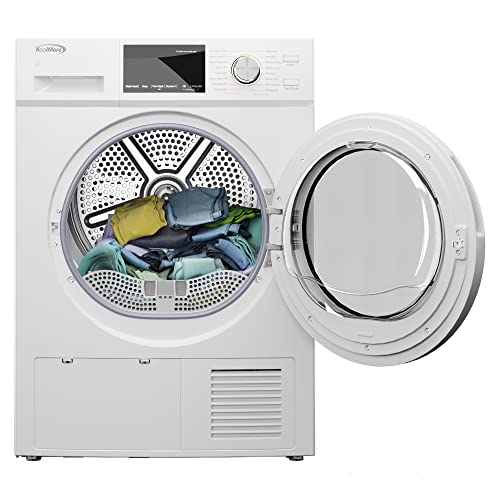
Best 120 Volt Clothes Dryer: Top-Rated Picks of 2026

Top Rated 2026: Best Steam Clothes Dryer Reviews

Best Clothes Dryer Stand Reviews: Top Picks of 2026