
Best juicer for under 50 2026 budget picks

Best juicer for under 50 sounds like a tight squeeze, but the right pick can still make fresh juice feel less fussy and more like a small daily win. Budget juicers usually shine with citrus, apples, carrots in smaller batches, cucumbers, celery, and softer fruit, though they won't behave like heavy commercial machines. The trick is knowing what corners matter and which ones don't, because a cheap juicer with a weak motor can turn breakfast prep into a noisy little wrestling match.
Compact size matters more than people admit, especially in kitchens where every inch of counter space already has a job. A smaller juicer is easier to leave out, which means it actually gets used instead of hiding in a cabinet behind mixing bowls. Still, smaller feed chutes usually mean more chopping, so patience becomes part of the deal. Not glamorous, sure, but it keeps the price low.
Easy cleaning should sit near the top of the list because sticky pulp can ruin the mood fast. Removable parts, smooth plastic surfaces, and a pulp container that doesn't trap fibers make a big difference after the second or third use. Some budget models claim quick cleanup, yet tiny mesh screens still need a brush and a minute of attention. That's not a dealbreaker, just a realistic tradeoff.
Juice texture also separates decent budget juicers from frustrating ones. Centrifugal models often work quickly, but they can leave more foam and slightly wetter pulp than slower machines. Citrus presses keep things simple for oranges, lemons, and grapefruit, though they're too limited for carrots or leafy greens. So the better choice depends on whether morning orange juice matters more than mixed produce experiments.
Durability expectations need to stay grounded at this price. A juicer under $50 can be useful for light daily habits or a few glasses each week, but it may not love nonstop batches for a whole family. Stronger plastic, stable suction feet, and dishwasher-safe removable parts help stretch its usefulness. Small details like a drip-free spout can also save a counter from becoming a sticky mess.
Budget juicing works best with realistic produce habits. Soft fruit, citrus, cucumbers, and small-cut vegetables usually behave better than tough ginger roots or huge carrot chunks. Leafy greens may need to be rolled tightly or paired with watery produce to move through the chute more smoothly. A little prep goes a long way, and honestly, that's where cheap juicers earn their keep.

- TAR Score8.8
TAR Score is a ranking system developed by TopAppliancesReviews.com. TAR score has no relationship or impact from any manufacturers or sales agent websites. Learn more
- BrandBLACK+DECKER
- TAR Score8.4
TAR Score is a ranking system developed by TopAppliancesReviews.com. TAR score has no relationship or impact from any manufacturers or sales agent websites. Learn more
- BrandQCen

- TAR Score8.4
TAR Score is a ranking system developed by TopAppliancesReviews.com. TAR score has no relationship or impact from any manufacturers or sales agent websites. Learn more
- BrandJuilist
- TAR Score8.4
TAR Score is a ranking system developed by TopAppliancesReviews.com. TAR score has no relationship or impact from any manufacturers or sales agent websites. Learn more
- BrandGDOR

- TAR Score7.8
TAR Score is a ranking system developed by TopAppliancesReviews.com. TAR score has no relationship or impact from any manufacturers or sales agent websites. Learn more
- BrandElite Gourmet
Last update on 2026-06-20 / Affiliate links / Images, Product Titles, and Product Highlights from Amazon Product Advertising API
Best Juicer For Under 50
Morning routines can unravel fast when a juicer leaves more fruit behind than juice in the container. That's exactly why the best juicer for under 50 category attracts so much attention from people who want fresh citrus juice without spending a small fortune. BLACK+DECKER's compact citrus juicer takes a straightforward approach, focusing on oranges, lemons, limes, and grapefruit rather than trying to be everything at once. That narrow focus turns out to be one of its biggest strengths.
BLACK+DECKER Citrus Juicer
BLACK+DECKER 32oz Electric Citrus Juicer doesn't try to impress with flashy controls or complicated settings. Instead, it centers its design around one job: extracting juice from citrus fruit with minimal effort. The compact footprint also makes it easier to leave on a countertop rather than burying it in a cabinet where appliances tend to disappear.
Pressure-activated operation keeps the learning curve almost nonexistent. Press a citrus half onto the cone and the unit starts working automatically. Release pressure and it stops. That simple interaction feels surprisingly convenient during busy mornings.
The standout feature is the auto-reversing juicing cone. By alternating rotation directions, the cone helps squeeze additional juice from fruit sections that might otherwise be missed. Citrus fruit can vary significantly in texture, so the reversing action helps maintain more consistent extraction across different varieties.
Ease of use becomes especially noticeable when preparing several glasses at once. There are no speed controls to adjust, no settings to memorize, and no complicated assembly process. Everything feels straightforward from the first use.
Juice Extraction And Everyday Performance
Citrus juicers live or die by one metric: how much juice actually ends up in the container. The auto-reversing cone system gives this model a practical advantage because it continues working different sections of the fruit instead of spinning in only one direction. Less fruit waste means fewer oranges needed for the same amount of juice.
Grapefruit and large oranges benefit particularly well from this design. Larger citrus fruits often contain sections that resist complete extraction. The alternating movement helps address that issue without requiring extra pressure from the user.
Performance remains strongest with citrus. That's worth mentioning because some shoppers searching for the best juicer for under 50 may assume it handles apples, carrots, or leafy greens. It doesn't. This machine is designed specifically for citrus, and that specialization creates both benefits and limitations.
The motor feels appropriately matched to its intended task. Citrus fruits don't require the same power demands as hard vegetables, so operation remains relatively smooth and predictable. The result is a juicer that feels focused rather than overextended.
Pulp Control And Customization
Adjustable pulp control adds flexibility that many budget citrus juicers skip entirely. Some people enjoy a glass packed with citrus fiber while others prefer a smoother texture. The ability to influence that outcome makes daily use more enjoyable.
The removable pulp basket serves a practical purpose beyond cleanup. Citrus pulp often finds its way into baking recipes, marinades, sauces, and homemade dressings. Keeping it separated from the juice stream makes repurposing easier.
Texture preferences vary wildly from household to household. One person may love pulpy orange juice while another immediately reaches for a strainer. This juicer helps accommodate both approaches without adding complicated controls.
Pulp management also helps maintain a cleaner pouring experience. Excessive pulp can sometimes clog simple strainers on inexpensive juicers. The dedicated basket reduces that issue and keeps juice flow relatively consistent.
Container Design And Kitchen Convenience
The 32-ounce juice container doubles as both collection vessel and serving pitcher. That small design choice removes an unnecessary transfer step. Less transferring usually means fewer spills and fewer dishes.
Clear measurement markings deserve attention because they're surprisingly useful in real kitchens. Recipes often call for specific juice quantities rather than a certain number of oranges. Easy-to-read measurements make those situations far less frustrating.
The drip-free pour spout addresses a common annoyance with inexpensive juicers. Citrus juice has a way of finding countertops if spouts are poorly designed. While no pitcher is completely spill-proof, this one generally keeps pouring controlled.
Clear-view construction allows users to monitor juice volume without lifting lids or guessing. That may sound minor, yet it becomes useful when preparing drinks, marinades, or larger recipe batches.
Pros And Cons
Pros:
- Auto-reversing cone helps improve citrus juice extraction.
- Pressure-activated operation keeps usage simple.
- Adjustable pulp control accommodates different texture preferences.
- 32-ounce pitcher design reduces extra dishwashing.
- Clear measurement markings simplify recipe preparation.
- Dishwasher-safe components make cleanup easier.
- Compact size fits smaller kitchens comfortably.
Cons:
- Citrus-only functionality limits overall versatility.
- Not suitable for carrots, apples, celery, or leafy greens.
- Plastic construction may not feel as substantial as premium models.
- Large batch juicing still requires manual fruit preparation.
- People wanting multi-purpose juicing may outgrow its capabilities.
Practical Ownership Experience
Cleanup often determines whether a kitchen appliance becomes part of a routine or gathers dust. Fortunately, dishwasher-safe parts help reduce that friction. Nobody wants fresh juice followed by a complicated cleanup session.
The machine's strongest appeal lies in its realistic approach. Rather than attempting to compete with expensive masticating juicers, it focuses on a specific task and generally performs it well. That kind of restraint can actually be refreshing.
A relevant reference is higher-end juicer options that expand beyond citrus and handle vegetables, leafy greens, and harder produce. This BLACK+DECKER model stays firmly in the citrus lane, which helps explain its accessible price point.
Value for money becomes easier to appreciate once expectations are aligned with the machine's intended purpose. Fresh orange juice, lemon juice for recipes, grapefruit juice for breakfast, and lime juice for drinks all fit comfortably within its wheelhouse. Those daily tasks happen without excessive complexity, and frankly, that's exactly what many kitchens need.
Best Juicer For Under 50
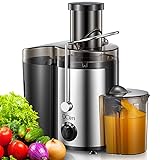
Counter space disappears quickly, and so does patience when a juicer demands endless chopping before breakfast even starts. That's part of the reason the best juicer for under 50 category remains surprisingly competitive. Qcen's centrifugal juicer takes a practical route by combining a wide feed chute with a stronger motor than many entry-level models. Rather than focusing on specialty juicing, it aims to make everyday fruit and vegetable juice faster and less fussy.
Qcen Juicer Machine
Qcen Juicer Machine lands in an interesting spot within the budget juicer market. Plenty of inexpensive juicers sacrifice power, while others squeeze in extra features but create a complicated user experience. This model tries to balance both sides with a 500W motor, a straightforward control layout, and a feed chute large enough to reduce prep work.
At first glance, the stainless steel accents help the machine look more substantial than many budget appliances. Appearance isn't everything, of course, but kitchen gear that doesn't look disposable tends to inspire a little more confidence. The black finish also blends easily into most kitchen setups without drawing unnecessary attention.
The design focuses heavily on convenience. Large produce pieces fit through the 3-inch wide mouth chute without requiring the tedious slicing routine that often discourages regular juicing. Fewer cuts mean less mess, and frankly, fewer excuses to skip fresh juice altogether.
Ease of operation stands out immediately. The controls remain simple, the assembly process doesn't feel intimidating, and the overall workflow suits people who want fresh juice without turning it into a weekend project.
Power And Juicing Performance
The heart of this machine is its 500W upgraded motor. For a centrifugal juicer in this price range, that amount of power provides a noticeable advantage when processing firmer produce. Apples, carrots, and pears move through the machine with more confidence than many smaller entry-level alternatives.
Dual-speed functionality adds useful flexibility. Soft fruits don't require aggressive processing, while harder vegetables benefit from additional speed. Having separate settings helps improve extraction efficiency and can reduce unnecessary strain on the machine.
Speed setting one targets softer ingredients such as strawberries, oranges, and watermelon. Those fruits release juice relatively easily, so lower speed operation keeps the process controlled. Setting two increases performance for denser ingredients where additional force becomes necessary.
Centrifugal extraction prioritizes speed over maximum yield. Juice arrives quickly, which many households appreciate during busy mornings. The tradeoff is that centrifugal juicers generally produce slightly wetter pulp than slower masticating models, particularly when dealing with leafy greens.
Hard vegetables showcase the machine's strongest qualities. Carrots, apples, and similar produce benefit from the combination of power and feed chute capacity. That balance creates a workflow that feels efficient rather than rushed.
Wide Feed Chute Advantages
The 3-inch feed chute changes the overall experience more than many specifications suggest. Smaller juicers often require ingredients to be chopped into narrow pieces before processing. That prep work can take nearly as long as the juicing itself.
Whole apples won't always fit depending on size, but many fruits require significantly less cutting than they would in narrower machines. Less knife work translates into quicker preparation and fewer dishes waiting afterward.
Time-saving design becomes particularly valuable during busy weekday schedules. Nobody enjoys spending ten minutes preparing produce for a drink that disappears in two minutes. The wider opening helps eliminate some of that friction.
Large chute designs do have limits. Oversized produce may still need trimming, and extremely hard ingredients should be fed at a controlled pace. Realistic expectations matter, but the reduction in prep work remains one of this juicer's strongest practical advantages.
Safety And Cleaning Experience
Safety features often receive little attention until something goes wrong. Qcen incorporates a locking arm system that prevents operation unless components are properly assembled. That feature helps reduce accidental activation and encourages correct setup.
The built-in overload protection system provides another layer of reassurance. If overheating occurs, the machine automatically shuts down rather than continuing to push beyond its intended limits. For a budget appliance, that protection adds welcome peace of mind.
Cleanup remains one of the biggest deciding factors for any juicer. Detachable components simplify the process, allowing most parts to separate quickly after use. Fresh juice feels a lot less appealing when cleanup becomes a lengthy chore.
The filter basket requires the most attention during washing. Fine mesh naturally traps pulp fibers, especially after processing fibrous vegetables. A quick rinse immediately after use helps prevent residue from drying into stubborn buildup.
Storage feels manageable because the machine doesn't occupy an excessive amount of counter space. It remains large enough to process meaningful batches while avoiding the oversized footprint common among more expensive juicers.
Real-World Limitations
Every juicer has boundaries, and this model is no exception. The manufacturer specifically notes that low-water-content ingredients should be avoided. Produce with minimal moisture can struggle in centrifugal systems and may produce disappointing results.
Leafy greens present another area where expectations should remain realistic. Spinach, kale, and similar ingredients can be processed, but centrifugal juicers typically aren't optimized for extracting every possible drop from greens. Specialized slow juicers usually perform better in that category.
One example worth noting is omega juicer alternatives for greens, which focus more heavily on leafy vegetable extraction than budget centrifugal designs. That distinction doesn't make the Qcen inferior; it simply highlights different strengths.
Noise levels fall within the range expected from a centrifugal juicer. The machine isn't excessively loud, but it won't be whisper quiet either. Higher-speed extraction naturally generates more sound than slower juicing technologies.
Pros And Cons
Pros:
- 500W motor provides solid power for hard fruits and vegetables.
- 3-inch feed chute significantly reduces prep time.
- Dual-speed controls improve flexibility across different produce types.
- Safety locking system helps prevent accidental operation.
- Overload protection adds equipment protection during heavy use.
- Detachable components simplify cleanup.
- Budget-friendly pricing keeps fresh juicing accessible.
Cons:
- Leafy green extraction isn't its strongest area.
- Produces wetter pulp than many slow juicers.
- Filter basket cleaning requires extra attention.
- Noise level is noticeable during operation.
- Not suitable for ingredients with very low water content.
Daily Use And Ownership Experience
Fresh juice routines tend to survive only when appliances remove friction instead of adding it. The combination of a wide feed chute, simple controls, and reasonable power helps this machine fit comfortably into daily habits. Convenience often matters just as much as extraction performance.
From a reviewer perspective, the most appealing quality is balance. Qcen doesn't pretend to be a professional-grade juicer, nor does it overwhelm users with unnecessary complexity. The machine stays focused on delivering quick juice from common fruits and vegetables.
Practical value emerges through small conveniences rather than flashy features. Reduced prep work, straightforward cleanup, and flexible speed controls combine to create a smoother overall experience. Those details tend to matter more after months of ownership than they do during the first few uses.
Several budget juicers feel disposable after a short period of use. This model presents a more thoughtful package by combining useful safety systems, sufficient motor power, and everyday convenience features. The result feels less like a compromise and more like a targeted solution for routine home juicing.
Juilist 3-Inch Wide Mouth Juicer Review
Fresh juice sounds simple until the cutting board fills up, the sink gets crowded, and the whole thing starts feeling like a chore before the first sip. That gap between good intentions and weekday reality is where the best juicer for under 50 has to prove itself. The Juilist 3-Inch Wide Mouth Juicer leans into speed, compact storage, and beginner-friendly controls instead of pretending to be a slow, specialty machine. It’s built for people who want quick fruit and vegetable juice without babysitting every step.
Juilist 3-Inch Wide Mouth Juicer
Juilist 3-Inch Wide Mouth Juicer feels like a budget machine made with busy kitchen habits in mind. The wide feed chute is the first thing that stands out because chopping produce into tiny sticks gets old fast. Apples, carrots, oranges, tomatoes, and celery can move through with less prep than narrow-chute models. That alone makes the machine easier to bring into a normal morning routine.
The design keeps things fairly approachable. A one-button control system helps remove the guesswork that can make small appliances feel annoying. Assembly is also meant to be simple, which matters more than fancy settings after the novelty wears off. Nobody wants a juicer that feels like a puzzle before coffee.
The stainless steel finish gives it a cleaner look than many low-cost plastic-heavy appliances. Still, the real appeal sits in the mix of compact size, quick operation, and simple cleaning. It doesn’t ask for much space on the counter, and that makes it more likely to stay within reach. Hidden in a bottom cabinet, even the best little appliance starts collecting dust.
This model belongs firmly in the centrifugal juicer category. That means speed takes priority over quiet operation and ultra-dry pulp. For quick juice from common produce, that tradeoff makes sense. For leafy greens or low-moisture ingredients, expectations need to stay grounded.
Fast Juicing With Less Prep
The 3-inch wide feed chute is the feature that does the most daily heavy lifting. Smaller chutes force extra slicing, and that extra step can quietly kill the habit. Juilist reduces that friction by letting larger produce pieces go in with less trimming. Fewer cuts, fewer scraps, less standing around.
The brand states that the machine can juice fruit and vegetables quickly, with high-speed power reaching up to 800W max power. That figure points to burst performance rather than a constant everyday motor rating, since the product also lists a 400W motor. The useful takeaway is simple: this juicer is designed for fast centrifugal extraction, not slow pressing. Speed is the personality here.
Soft fruits behave differently from hard produce, and the 3-speed setup helps account for that. Setting “1” suits softer ingredients like oranges, watermelon, and tomatoes. Setting “2” handles firmer foods such as apples, carrots, and celery. The “P” pulse mode gives a short high-speed burst after release, useful when ingredients need a little extra push.
Reduced prep time may sound like a small perk, but it changes the whole experience. Juice habits rarely fail because people dislike juice. They fail because setup and cleanup steal too much time. This machine tries to keep the process moving before impatience wins.
Juice Yield And Texture Expectations
Juilist highlights an optimized motor design and a customizable juicing filter meant to support better yield. The product description claims laboratory testing showed up to 26% more juice than other 800W juicers, but that claim should be treated as a brand-provided comparison rather than independent testing. Real-world yield will still depend on produce freshness, water content, cut size, and feeding speed. A crisp apple and an older, mealy apple won’t behave the same.
Centrifugal juicing usually creates juice quickly with some foam and pulp separation. That’s normal for this style of machine. It won’t mimic the thicker, slower extraction style of a masticating juicer, and it may leave wetter pulp with leafy greens. For fast carrot-apple juice or orange-tomato blends, though, the format makes practical sense.
The micro-mesh filter and stainless steel cutting disc are important parts of the extraction system. The cutting disc shreds produce fast, while the micro-mesh filter separates juice from pulp. This setup is efficient for watery fruits and firm vegetables. It’s less convincing with ingredients that barely contain juice to begin with.
Produce choice matters more than many buyers expect. Watermelon, oranges, apples, carrots, pears, celery, and tomatoes fit the machine’s strengths better than bananas, avocado, or dry greens. The best results usually come from mixing juicy ingredients with firmer ones. That balance helps the machine move pulp through without bogging down.
Safety Features And Stability
Budget juicers can feel a little wild if they vibrate, shift, or start before the lid is secure. Juilist adds a double safety lock, which helps keep the machine from running unless assembled correctly. That’s a useful guardrail, especially during rushed prep. Small safety features tend to matter most when hands are sticky and counters are busy.
The automatic overheat protection is another smart inclusion. A centrifugal juicer works hard at high speed, and heat can build during heavier use. Overheat protection helps shut things down before the motor gets pushed too far. That doesn’t mean it should be run endlessly, but it does add a little peace of mind.
Non-slip feet help keep the machine steadier during operation. Hard produce can make lightweight juicers shake, especially if ingredients are pushed too aggressively. A stable base makes the process feel less jumpy and more controlled. Still, feeding ingredients steadily instead of forcing them is the better habit.
The visible window adds a surprisingly helpful touch. Watching the juicing process makes it easier to notice clogs, slowdowns, or pulp buildup. Visible operation also makes the machine feel more transparent for beginners. Not fancy, just useful.
Cleaning And Countertop Reality
Cleanup can make or break any juicer, and this one tries to keep the pain manageable. Dishwasher-safe accessories help reduce sink time, while the included brush targets the juicing filter. The filter basket still needs quick attention after each use. Let pulp dry in the mesh, and yeah, you’ll regret it.
Detachable parts make the process less intimidating. The pieces separate so pulp, juice residue, and foam don’t sit trapped in hidden corners. A fast rinse right after juicing usually saves more time than scrubbing later. That’s the quiet rule with centrifugal juicers.
The compact body is a strong point for kitchens with limited space. Bigger juicers can dominate a countertop and make the whole setup feel like too much commitment. This Juilist model keeps a smaller footprint while still offering a wide chute. That balance makes it easier to justify leaving it out.
A relevant recipe reference is ron ron juice guide, especially since quick fruit-based drinks suit the strengths of a centrifugal juicer like this one. The machine’s fast extraction style pairs better with juicy produce than thick, dry, or creamy ingredients. That distinction keeps expectations realistic. Recipe style and appliance type should line up.
Pros And Cons
Pros:
- 3-inch wide feed chute reduces chopping time for many fruits and vegetables.
- 3-speed control helps match softer and harder produce.
- Compact design saves counter space in smaller kitchens.
- Double safety lock supports safer operation during setup.
- Overheat protection helps protect the motor during heavier use.
- Dishwasher-safe accessories and included brush make cleanup easier.
- Visible juicing window helps monitor the process while ingredients move through.
Cons:
- Centrifugal extraction can leave wetter pulp than slow juicers.
- Leafy greens may not extract as efficiently as watery produce.
- Noise is expected at higher speeds.
- Low-water ingredients are a poor fit for this style of machine.
- The brand’s yield claim comes from its own description, not independent data.
The best juicer for under 50 has to work around limits, and this Juilist model does that by emphasizing speed, easy controls, and reduced prep. It’s not the machine for someone chasing silent operation or maximum leafy green yield. It makes more sense for quick juices built around apples, oranges, carrots, watermelon, celery, tomatoes, and similar everyday produce. Used within those boundaries, it feels practical rather than overpromised.
From a reviewer’s angle, the strongest advantage is convenience. The wide chute saves time before juicing, the speed settings add flexibility during juicing, and the detachable parts reduce grumbling afterward. Everyday usability matters more here than luxury feel. That’s exactly where this machine puts most of its effort.
The weaker side shows up with tougher expectations. Anyone hoping for slow-press texture, quiet operation, or excellent leafy green extraction may feel boxed in. Still, for a compact centrifugal juicer at a budget-friendly level, the Juilist offers a sensible mix of power, safety, and ease. It’s a practical little workhorse for quick juice sessions, as long as the produce choices play to its strengths.
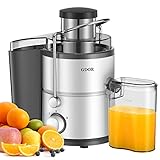
GDOR 800W Wide Chute Juicer
A crowded morning counter can make fresh juice feel like one more chore, especially when produce needs endless trimming before the machine even starts. The best juicer for under 50 has to earn its spot by saving time, limiting mess, and handling everyday fruits and vegetables without acting precious. The GDOR 800W Wide Chute Juicer aims for that sweet spot with a strong motor, a 3-inch feed chute, dual speeds, and a foam-control jug. It feels built for quick homemade juice sessions rather than slow, ceremonial juicing.
GDOR 800W Juicer
GDOR 800W Juicer gives off a practical first impression. The white body looks clean without shouting for attention, and the overall design leans more kitchen-counter friendly than bulky appliance. A 17 oz juice jug is included, so the setup feels ready for small batches instead of giant pitcher loads. That size makes sense for weekday juice, recipe prep, or a quick glass before heading out.
The 800W motor is the headline feature, and for a centrifugal juicer, that matters. Harder produce needs enough force to shred and separate juice quickly, especially carrots, celery, apples, and kale. GDOR’s product details claim the machine extracts up to 27% more juice and 38% more vitamins and minerals, though those numbers come from the provided product description rather than independent lab data. Still, the claim points clearly toward efficiency as the brand’s main selling angle.
The machine is not trying to be a quiet slow juicer. It’s a centrifugal model, which means speed, motion, and quick extraction sit at the center of the experience. That approach works nicely for people who want juice in seconds, not a long countertop ritual. The tradeoff is familiar: more noise and potentially more foam than slow-press machines.
Ease of setup also gets attention here. The step-by-step installation is described as user-friendly, which helps take the edge off for anyone who doesn’t want to fight with parts before breakfast. Simple assembly matters because a juicer that feels annoying to put together usually ends up parked in a cabinet. And once it’s out of sight, well, there goes the habit.
Speed, Power, And Juice Flow
The dual-speed system makes the GDOR more flexible than a one-speed budget juicer. Low speed runs at 13,000 to 15,000 RPM and suits softer fruits like oranges and tomatoes. High speed runs at 16,000 to 18,000 RPM and handles firmer produce like apples, celery, carrots, and kale. That range gives the machine a better chance of matching texture instead of treating every ingredient the same.
Soft produce can turn messy if processed too aggressively. Tomatoes and oranges release juice easily, so the lower setting helps keep extraction controlled. Firmer produce needs more bite from the cutting system, and that’s where the higher setting makes sense. Speed control keeps the machine from feeling too blunt.
The product description says it can make a cup of homemade juice in just a few seconds. That fits the personality of a centrifugal juicer, where fast extraction is the main attraction. A short juicing cycle can make the difference between using the machine daily and skipping it because the clock is already yelling. Quick juice, quick rinse, moving on.
Less pulp and foam is another promise in the product details. Foam often shows up with high-speed juicing because produce gets whipped as it spins through the cutting disc and filter. GDOR addresses that with a built-in foam separator in the juice jug. That’s a small feature, but it can make pouring feel cleaner and less fussy.
Wide Feed Chute And Prep Time
The 3-inch extra-wide feed chute is one of the most useful design choices on this machine. Narrow chutes make people chop apples, carrots, and other produce into little pieces, which can turn fresh juice into a full prep session. A wider chute reduces that hassle. Less cutting means fewer scraps, fewer dishes, and fewer reasons to quit halfway through.
Whole fruits and vegetables may still need trimming depending on their size, shape, and firmness. That’s just real kitchen physics, not a flaw. Large apples, thick carrots, or awkward celery bunches should still be fed with common sense. But compared with tiny-chute juicers, prep time should feel noticeably lighter.
The feed chute also supports better flow during busy routines. Ingredients can move through steadily instead of stopping every few seconds for more knife work. That creates a rhythm that feels more like making coffee than doing a recipe project. For a budget juicer, that’s a big win.
Family-style convenience shows up in the details without needing a huge machine. The design helps make fresh juice faster for several people, though the 17 oz jug keeps expectations realistic. This is not a large-batch party juicer. It’s better suited to manageable portions and repeatable everyday use.
Foam Control And Pouring Experience
The built-in foam separator deserves more credit than it might get at first glance. Centrifugal juicers often create a foamy top layer, especially with apples, citrus, and watery vegetables. Some people don’t mind it, but others want a cleaner pour. The jug’s separator helps hold back some of that foam while juice moves into the glass.
Foam doesn’t mean the juice is bad. It’s simply part of high-speed extraction. Still, too much foam can make a drink feel less polished and can reduce how much clean liquid fits in a glass. Foam reduction helps the final pour feel calmer and less bubbly.
The 17 oz jug is useful for small batches. It gives enough room for a couple of servings or recipe prep without creating a giant cleanup situation. The compact jug also fits the overall personality of the machine. This is built around fast, fresh portions, not oversized production.
A neutral reference point can sit far outside this juicer’s category, as seen in vape juice freezing behavior, where liquid storage and ingredient behavior matter for completely different reasons. The GDOR discussion stays focused on produce juice, foam separation, and how fast extraction changes texture. That distinction keeps the link from pretending to be part of the same appliance topic.
Safety, Stability, And Cleaning
Safety locking arm gives this juicer a needed layer of control. The machine operates only when the lid is securely locked in place, which helps prevent messy or unsafe starts. High-speed juicers spin fast, so proper assembly should never feel optional. This feature keeps the process more disciplined.
Overload and overheat protection also appear in the provided details. Those systems shut the machine down automatically when strain or heat becomes a concern. Motor protection matters with dense produce because people sometimes push too much too quickly. The machine still needs reasonable feeding habits, but the added protection is welcome.
Non-slip feet help stabilize the unit during operation. Centrifugal juicers can vibrate, especially when hard ingredients hit the cutting disc unevenly. A steadier base makes juicing feel less jumpy and more controlled. That’s especially helpful on slick counters where lightweight appliances can wander.
Cleaning convenience gets support from the included brush. The filter area usually needs the most attention because fine pulp can cling to mesh. A quick brush-and-rinse right after use is the smart move. Letting pulp dry turns cleanup from simple to annoying in a hurry.
Pros And Cons In Daily Use
Pros:
- 800W motor supports quick centrifugal extraction for common produce.
- 3-inch feed chute reduces chopping and saves prep time.
- Dual-speed control handles soft and hard ingredients more appropriately.
- Built-in foam separator helps create a cleaner pour.
- Safety locking arm prevents operation unless the lid is secure.
- Overheat and overload protection support safer use during heavier sessions.
- Non-slip feet help reduce vibration on the countertop.
Cons:
- Centrifugal design can be louder than slow juicers.
- Foam reduction helps, but foam may still appear with high-speed juicing.
- The 17 oz jug may feel small for larger batches.
- Leafy greens may not yield as heavily as they would in a dedicated slow juicer.
- Brand-provided extraction claims are not the same as independent testing.
The best juicer for under 50 needs to feel useful without pretending to replace every premium juicing setup. GDOR’s model works best for quick juice from produce with enough moisture and structure to suit centrifugal extraction. Apples, carrots, oranges, tomatoes, celery, and kale fit the stated speed system well. Thick, dry, or very low-moisture ingredients remain less convincing.
From a practical reviewer’s seat, the strongest benefit is the way this machine cuts friction from the process. The wide chute reduces knife work, the dual speeds add control, and the foam separator improves the pour. Those aren’t flashy features, but they solve everyday annoyances. That’s where budget appliances either earn trust or lose it fast.
The weaker side sits mostly in expectations. A centrifugal juicer won’t deliver the quiet, slow-squeezed feel of a masticating model, and the smaller jug keeps batch size modest. Still, the GDOR 800W Wide Chute Juicer offers a focused mix of speed, safety, and easy handling. For quick homemade juice without turning the kitchen upside down, its design choices make practical sense.
Elite Gourmet Compact Slow Juicer
Small kitchens have a funny way of turning every appliance purchase into a negotiation with the countertop. The best juicer for under 50 has to do more than make juice, because storage, noise, cleanup, and produce prep all matter once the box is open. The Elite Gourmet Compact Slow Juicer takes a different road from the fast centrifugal machines in this price range. It slows the process down, uses a 70 RPM masticating system, and aims for quieter extraction from fruits, vegetables, leafy greens, nuts, and wheatgrass.
Elite Gourmet Compact Slow Juicer
Elite Gourmet Compact Slow Juicer feels built for kitchens where space is tight but fresh juice still has a place in the routine. The charcoal grey body keeps the look understated, and the smaller footprint matters if the counter already carries a coffee maker, toaster, and a pile of mail that somehow lives there. Instead of leaning on high-speed shredding, this machine uses a high-torque, low-speed system to squeeze juice more slowly. That slower pace gives it a calmer personality right away.
The 70 RPM operation is the detail that separates it from many budget juicers. A slow masticating design crushes and presses produce rather than whipping it through a fast-spinning filter. That can help with leafy greens, wheatgrass, and ingredients that don't always shine in centrifugal machines. It also makes the whole process feel less frantic.
The included 16 oz juice cup fits the compact theme. This isn't pretending to be a giant batch machine for nonstop pitchers. It's better suited to one or two fresh servings, recipe portions, or a steady personal routine. That honest sizing helps keep the unit manageable.
Elite Gourmet also includes a separate pulp container, which keeps the workflow cleaner. Juice and pulp separation happens directly during extraction, so there's less fiddling after the fact. For anyone tired of pulpy messes taking over the sink, that detail feels practical. Simple, tidy, and not too dramatic.
Slow Juicing Style And Produce Fit
The masticating extraction approach changes the whole experience. Fast juicers tend to roar through ingredients, while this one squeezes at a slower 70 RPM pace. That makes it quieter in use and better matched to produce that benefits from steady pressure. Leafy greens, wheatgrass, and softer vegetables are part of its stated range.
Hard fruits and vegetables still need proper prep. The product guidance says hard produce should be cut to about 3/4-inch size to help prevent jamming. That’s the tradeoff with a compact slow juicer: less noise and gentler extraction, but more cutting before use. Skipping that step can turn a smooth session into a stop-and-clear situation.
The tall feed chute accommodates various fruits and vegetables, but “tall” doesn't mean “drop everything in whole.” This machine rewards a calmer prep style. Smaller pieces feed more evenly into the auger, and the auger can do its job without strain. Slow juicing is patient by nature, and honestly, it asks for the same patience back.
Ingredient choice matters here. Watery fruits, leafy greens, wheatgrass, and many vegetables fit the slow-press personality nicely. Very large, hard pieces are less friendly unless trimmed properly. Nuts are included in the stated capability, though results can depend heavily on preparation and recipe style.
Compact Design And Everyday Handling
The ultra compact size is one of this juicer’s clearest strengths. Many juicers look exciting online, then arrive and swallow half the counter. This Elite Gourmet model keeps the footprint modest, which helps it stay accessible instead of getting exiled to a shelf. An appliance that stays within reach usually gets used more often.
The heavy-duty auger is an important part of the compact design. A small juicer still needs a strong internal pressing mechanism, especially for greens and fibrous produce. The auger system provides the squeezing action that separates juice from pulp. That’s the piece doing the quiet grunt work.
The 16 oz cup suits the machine’s size and rhythm. Small-batch juicing feels more natural here than filling a large family pitcher. That may sound limiting, but it also keeps cleanup lighter and portions more controlled. Fresh juice tends to taste best right after extraction anyway.
A neutral blender-related reference fits separately here, since blending and juicing handle produce in very different ways: vitamix 5200 review covers a different style of whole-food preparation rather than pulp separation. The Elite Gourmet model removes pulp through slow extraction, while a blender keeps fiber in the drink. That difference affects texture, cleanup, and how produce behaves in the glass.
Cleaning And Maintenance Feel
Easy disassembly is a major benefit because slow juicers can become annoying if parts trap pulp. Elite Gourmet includes a cleaning brush, which is useful around the auger area and pulp pathways. The sooner the parts are rinsed after juicing, the easier the cleanup feels. Letting fibers dry is where the trouble starts.
The separate pulp container helps reduce messy scraping. Pulp exits into its own space instead of collecting unpredictably around the machine. That gives the cleanup process a clearer beginning and end. No mystery clumps hiding where they shouldn't.
Small juicers often have a cleanup advantage simply because the parts are smaller. This model leans into that benefit with a layout meant to come apart without a fight. Compact cleaning doesn't mean zero effort, though. Greens, wheatgrass, and fibrous vegetables still need careful rinsing around the extraction components.
The included brush is not just a throw-in accessory. It’s the tool that keeps fine pulp from building up over repeated use. A quick brushing habit after each session protects the juicing path and keeps the machine feeling fresher. That small routine matters more than it sounds.
Operation Limits And Safety Details
The unit is designed to run for 15 to 20 minutes continuously per use. That limit is helpful because it sets clear expectations instead of pretending a compact machine can run forever. For small-batch juice, that window should be enough. For long back-to-back juicing sessions, it may feel restrictive.
The overload and overheat protection system automatically turns the machine off if it is overused. That safety feature helps protect the motor from permanent damage. If shutdown happens, the instructions say to turn it off, wait 10 minutes for cooling and internal reset, then restart. That pause can be annoying, but it’s better than burning out the unit.
Jamming prevention depends heavily on prep size. Hard produce should be cut small, and feeding too quickly can overwhelm the auger. Slow juicers don't like being rushed. Feed steadily, and the machine has a much better chance of staying smooth.
Noise is a pleasant strength compared with high-speed centrifugal juicers. The 70 RPM system quietly presses rather than screams through produce. That matters in shared spaces, early mornings, and small apartments where appliance noise bounces around. Quiet operation makes the whole habit feel less disruptive.
Pros And Cons In Real Use
Pros:
- 70 RPM masticating action supports quiet, slow extraction.
- Compact size suits small kitchens and limited counter space.
- Heavy-duty auger helps separate juice and pulp effectively.
- Leafy greens, nuts, and wheatgrass are included in the stated use range.
- 16 oz juice cup fits small-batch routines well.
- Separate pulp container keeps the workflow cleaner.
- Cleaning brush helps remove fibers from tight areas.
Cons:
- Hard produce must be cut to about 3/4-inch pieces.
- 15 to 20 minute runtime limits longer juicing sessions.
- The compact cup may feel small for larger households.
- Slow juicing takes more patience than centrifugal extraction.
- Fibrous ingredients still require careful cleanup around the auger.
The best juicer for under 50 usually forces a choice between speed and extraction style, and this Elite Gourmet model clearly chooses the slow lane. That isn’t a weakness by itself. It simply means the machine fits better with quieter mornings, smaller batches, and produce that benefits from pressing rather than shredding. The compact body makes that slower process easier to live with.
From a hands-on reviewer’s perspective, the biggest appeal is restraint. The machine doesn't pretend to be a giant countertop workhorse, and it doesn't chase high-speed spectacle. Instead, space-saving design, quiet operation, and pulp separation carry the experience. Used with trimmed produce and reasonable batch sizes, it feels thoughtfully matched to modest daily juice habits.
The main frustration is prep. Cutting hard fruits and vegetables to 3/4-inch pieces takes extra time, especially compared with wide-mouth centrifugal models. But the slower, quieter extraction and ability to handle leafy greens and wheatgrass give it a different kind of appeal. For kitchens where noise, space, and small portions matter more than raw speed, the Elite Gourmet Compact Slow Juicer has a clear lane.


Best Vitamix Immersion Blender Reviews: Top Choices for 2026

Banish Cramps with Homemade Pickle Juice: A Guide
Unravel the Secrets: How to Make Snake Juice at Home

Pear Juice: Unveiling the Health Benefits

Decoding the Effects: Is Pickle Juice a Laxative?

Unveiling the Truth: Is Cold Pressed Juice Pasteurized?
Is Pickle Juice Good for Plants? Unraveling the Truth

Orange Juice vs. Apple Juice: Uncovering the Better Choice






