
Best Juicer for Kale and Spinach 2026, Smart Picks

Best juicer for kale and spinach decisions usually start with one stubborn problem: leafy greens don’t behave like apples, carrots, or cucumbers. They’re light, fibrous, and annoyingly easy to waste in a machine that spins too fast or leaves wet pulp behind. A good choice should press those leaves slowly, pull out deeper green juice, and keep the flavor from turning too grassy or bitter. That sounds simple, but plenty of shiny machines make a mess of delicate greens.
Slow masticating juicers often make the most sense for kale and spinach because they crush and press instead of shredding everything at high speed. That slower action usually means less foam, less heat, and a smoother drink that doesn’t separate five minutes after pouring. Still, slow juicers aren’t magic boxes, and prep work matters. Chopping kale stems, rolling spinach into tighter bundles, and alternating greens with firmer produce can make the whole process feel less fussy.
Juice yield becomes the real tell. Dry pulp suggests the machine is squeezing properly, while soggy pulp hints that too much good stuff is heading straight to the compost bin. Nobody wants to feed a juicer a full bowl of greens and end up with a sad splash at the bottom of the cup. So, the better pick is usually the one that balances pressure, auger design, and a feed chute that doesn’t jam every few handfuls.
Cleanup deserves just as much attention as motor power. Kale threads can cling to strainers like they’ve signed a lease, and spinach pulp can pack into tiny mesh holes if the parts aren’t designed well. A brush, simple disassembly, and fewer awkward crevices can be the difference between daily juicing and letting the machine gather dust. Honestly, an easy-rinse design often matters more than another flashy speed setting.
Best juicer for kale and spinach shopping also means thinking about kitchen space, noise, and patience. Compact vertical models save counter room, while horizontal models can feel steadier with leafy greens and wheatgrass-style ingredients. Some machines take longer but produce richer juice with better texture. Others move faster but may trade away yield, especially with soft leaves.
Realistic expectations keep disappointment out of the glass. Kale brings earthy bite, spinach adds mild green body, and both usually taste better with lemon, apple, celery, cucumber, or ginger. A strong juicer won’t fix a bad recipe, but it can make green juice feel less wasteful and more repeatable. That’s the sweet spot: steady results, manageable cleanup, and a machine that doesn’t turn one healthy habit into a kitchen chore.

- TAR Score9.0
TAR Score is a ranking system developed by TopAppliancesReviews.com. TAR score has no relationship or impact from any manufacturers or sales agent websites. Learn more
- BrandEanOruus

- TAR Score9.0
TAR Score is a ranking system developed by TopAppliancesReviews.com. TAR score has no relationship or impact from any manufacturers or sales agent websites. Learn more
- BrandTUUMIIST

- TAR Score9.0
TAR Score is a ranking system developed by TopAppliancesReviews.com. TAR score has no relationship or impact from any manufacturers or sales agent websites. Learn more
- BrandNinja

- TAR Score9.0
TAR Score is a ranking system developed by TopAppliancesReviews.com. TAR score has no relationship or impact from any manufacturers or sales agent websites. Learn more
- BrandSMALLHOO
- TAR Score8.8
TAR Score is a ranking system developed by TopAppliancesReviews.com. TAR score has no relationship or impact from any manufacturers or sales agent websites. Learn more
- BrandLAUDLIFE
- TAR Score8.8
TAR Score is a ranking system developed by TopAppliancesReviews.com. TAR score has no relationship or impact from any manufacturers or sales agent websites. Learn more
- BrandYPONE

- TAR Score8.6
TAR Score is a ranking system developed by TopAppliancesReviews.com. TAR score has no relationship or impact from any manufacturers or sales agent websites. Learn more
- BrandTUUMIIST

- TAR Score8.4
TAR Score is a ranking system developed by TopAppliancesReviews.com. TAR score has no relationship or impact from any manufacturers or sales agent websites. Learn more
- BrandJuilist

- TAR Score8.4
TAR Score is a ranking system developed by TopAppliancesReviews.com. TAR score has no relationship or impact from any manufacturers or sales agent websites. Learn more
- BrandQCen
Last update on 2026-06-20 / Affiliate links / Images, Product Titles, and Product Highlights from Amazon Product Advertising API
Best Juicer For Kale And Spinach
Morning routines fall apart fast when a juicer turns a pile of fresh greens into a tiny glass of juice and a mountain of wet pulp. Prep work can feel even worse, especially when apples need slicing, oranges need peeling, and leafy greens clog the machine every few minutes. The best juicer for kale and spinach should reduce those headaches rather than add new ones. EanOruus takes a different route with a massive feed chute, a large-capacity hopper, and a cold-press design built for handling tougher ingredients without turning the kitchen into a cleanup project.
EanOruus Juicer Machines
EanOruus Juicer Machines immediately stands out because of its unusual combination of capacity and convenience. Most cold press models focus on extraction quality alone, while this machine adds features aimed at reducing daily effort. The oversized hopper and wide chute target one of the biggest frustrations in home juicing: preparation time.
Cold press extraction remains the foundation of the machine. Instead of relying on high-speed blades, the juicer slowly crushes ingredients to help preserve texture and reduce foam. Kale, spinach, celery, and other fibrous produce generally benefit from this slower process because juice separation tends to be less noticeable.
The bright white finish gives the appliance a clean, modern appearance that blends well with contemporary kitchens. While looks aren't usually the deciding factor in a juicer purchase, a machine that sits on the counter every day shouldn't feel like an industrial tool. EanOruus manages to feel practical while still looking polished.
Versatility also plays a major role here. This isn't limited to green juice. The included strainers allow users to switch between juice, nut milk, and frozen fruit sorbet production, expanding its usefulness beyond a single-purpose appliance.
What Makes It Different
The first thing many people notice is the 6.5-inch extra-wide feed chute. That's significantly larger than what many traditional cold press juicers offer. Whole apples, peeled oranges, and larger vegetable pieces can often go in with minimal preparation, which saves time during busy mornings.
Prep fatigue is real. Plenty of people buy juicers with good intentions, then stop using them because every glass requires fifteen minutes of chopping. By reducing knife work, the EanOruus model removes one of the most common barriers that keeps appliances sitting unused in cabinets.
The 100-ounce hopper creates another meaningful difference. Instead of feeding ingredients continuously, users can load a substantial amount at once. Families making multiple servings or people preparing juice for several days may appreciate the reduced hands-on involvement.
There's a tradeoff, though. Large-capacity machines naturally require more counter space than compact personal juicers. Small kitchens may need to consider storage arrangements before committing to a model of this size.
Kale And Spinach Performance
Leafy greens can expose weaknesses in a juicer faster than almost any other ingredient. Kale fibers and spinach leaves often challenge machines that rely heavily on speed rather than pressure. EanOruus uses a high-torque AC motor designed to tackle tougher produce without excessive strain.
Spinach typically produces relatively modest juice yields compared to cucumbers or oranges. A cold press system helps maximize extraction by slowly squeezing moisture from delicate leaves. The result is usually less foam and a smoother texture in the final glass.
Kale juice presents another challenge because of its dense stems and fibrous structure. The motor's crushing power appears specifically geared toward these harder ingredients. For households that regularly make green juice blends, that added torque may prove more useful than extra speed settings.
Realistically, no juicer can turn a handful of spinach into a large pitcher of juice. Expectations matter. What this machine offers is a more efficient approach to extracting liquid from greens that are traditionally difficult to process.
Beyond Juice Production
The 3-in-1 design adds flexibility that many cold press juicers skip entirely. Homemade nut milk is one example. Almond, cashew, or oat-based drinks can be prepared without purchasing a separate appliance dedicated to that task.
Frozen fruit sorbet functionality brings another layer of value. Overripe bananas, frozen berries, and leftover fruit can be transformed into desserts rather than ending up in the trash. That's a practical feature for reducing food waste while expanding recipe possibilities.
Nut milk preparation also benefits from the machine's slow extraction method. The texture often feels smoother compared to improvised blender-and-strainer approaches. Fewer steps generally mean less mess afterward.
Multi-function performance doesn't automatically make every feature exceptional, but it does make the appliance easier to justify for households seeking more than basic juicing capability.
Noise And Daily Use Experience
The AC brushless motor is marketed as whisper-quiet, and quieter operation can be surprisingly important. Early-morning juicing sessions become a lot less disruptive when the machine doesn't sound like a power tool running on the kitchen counter.
Noise often gets overlooked during shopping comparisons. Yet after weeks of ownership, daily comfort matters more than flashy specifications. A calmer operating sound can make consistent use feel easier and less intrusive.
The motor is also designed for repeated heavy-duty use. Frequent kale, spinach, carrot, and beet juicing places significant demands on internal components. Consistent torque helps maintain performance across different ingredient types.
Long-term convenience frequently depends on reliability rather than novelty. A machine that handles demanding ingredients day after day often provides more practical value than one loaded with features that rarely get used.
Cleanup And Maintenance
Cleanup can determine whether a juicer becomes a daily habit or a forgotten purchase. EanOruus addresses this issue with dishwasher-safe detachable components and a removable pulp ejector.
Fibrous kale residue has a habit of finding tiny crevices inside juicers. Designs that simplify access to internal parts can significantly reduce cleaning frustration. Less scrubbing generally means greater willingness to use the appliance regularly.
The removable pulp system deserves attention because pulp accumulation is often where cleanup becomes tedious. Faster removal translates into less time standing over the sink after making juice.
One example worth noting is crispy waffle makers, where ease of cleanup often matters as much as cooking performance. Kitchen appliances tend to earn their place through convenience, not specifications alone.
Pros And Cons
Pros:
- 6.5-inch feed chute reduces ingredient prep significantly.
- 100-ounce hopper supports large batches and meal prep routines.
- Cold press extraction suits kale, spinach, and fibrous vegetables.
- 3-in-1 functionality adds juice, nut milk, and sorbet preparation.
- Dishwasher-safe components simplify cleanup.
- Quiet AC motor creates a more comfortable daily experience.
Cons:
- Large footprint may not suit compact kitchens.
- Extra capacity could feel unnecessary for single-serving users.
- Cold press systems generally operate slower than centrifugal juicers.
- Multiple accessories require storage space between uses.
Practical Ownership Tradeoffs
Capacity versus space is probably the biggest decision point. Households producing large quantities of juice may appreciate the oversized hopper every day. Smaller households making occasional single servings might not fully utilize its volume.
The machine leans toward convenience-focused juicing rather than minimalist design. Bigger chutes, larger hoppers, and multiple strainers all contribute to flexibility, but they also increase overall appliance size. That's the balance prospective buyers should consider.
Green juice enthusiasts are likely to appreciate the combination of extraction performance and reduced preparation effort. Spending less time chopping ingredients can make consistent juicing feel much more realistic.
EanOruus ultimately centers its design around reducing friction. Less prep, less noise, less cleanup, and more versatility create a package that feels tailored toward regular use rather than occasional experimentation.
Best Juicer For Kale And Spinach
Busy mornings have a funny way of exposing every weakness in a kitchen appliance. A few bunches of kale, some spinach, a couple of apples, and suddenly the countertop is covered with scraps from endless chopping. The search for the best juicer for kale and spinach often comes down to one thing: making healthy habits feel practical instead of time-consuming. This cold press juicer takes a clear swing at that problem with a larger feed chute, a generous hopper, and a design focused on reducing interruptions.
Cold Press Juicer Machines
Cold Press Juicer Machines enters a crowded category with a feature list aimed at convenience rather than flashy gimmicks. The combination of a 6.5-inch feed chute and a 100-ounce hopper immediately changes how ingredients are handled. Instead of spending several minutes cutting produce into tiny pieces, larger fruits and vegetables can be loaded with far less preparation.
Time-saving design isn't just marketing language here. Anyone who has prepared green juice regularly knows that chopping ingredients often takes longer than the juicing process itself. Reducing that prep work can make daily use feel less like a project and more like a routine.
The overall approach feels practical. Rather than chasing complicated technology, the machine focuses on removing common friction points. That philosophy tends to age well because convenience remains valuable long after novelty wears off.
Juicing consistency also benefits from a system that encourages regular use. A machine that feels easier to operate often ends up being used more frequently than one packed with advanced features but burdened by extra steps.
Large Feed Chute Benefits
The 6.5-inch feed chute is arguably the headline feature. Standard juicers often require apples, pears, cucumbers, and other ingredients to be chopped into smaller pieces before processing. That repetitive prep work can quickly become frustrating during a busy week.
Whole produce compatibility creates a smoother workflow. Dropping larger ingredients into the chute reduces knife work and keeps the process moving. Small conveniences like that tend to have a bigger impact on long-term ownership than many shoppers initially expect.
Kale and spinach blends often include supporting ingredients such as apples, celery, or cucumbers. Larger openings help streamline preparation for those combinations. Less time spent cutting means more time spent actually enjoying fresh juice.
There's a practical limitation, though. Large feed chutes reduce prep requirements, but they don't eliminate them entirely. Extremely oversized produce or unusually shaped vegetables may still need occasional trimming.
How It Handles Leafy Greens
Leafy greens present a unique challenge because they contain less water than many fruits and tend to wrap around internal components in weaker machines. This juicer uses a cold press mechanism designed to slowly squeeze ingredients rather than shred them at high speed.
Spinach benefits particularly well from slower extraction. Fast centrifugal systems can create excessive foam and leave juice separating quickly in the glass. A slower process typically produces a smoother texture and a more consistent result.
Kale fibers can be stubborn, especially when stems are included. The 350W motor paired with a 60 RPM operating speed focuses on torque rather than aggressive speed. That approach aligns well with fibrous vegetables that require sustained pressure.
Realistic expectations remain important. Even the strongest cold press juicer can't transform a handful of spinach into a pitcher full of juice. What it can do is extract liquid more efficiently while reducing unnecessary waste.
Hands Free Hopper Experience
The 100-ounce hopper changes the overall rhythm of juicing. Instead of standing beside the machine feeding ingredients one piece at a time, users can load a substantial batch and allow the process to continue with less direct involvement.
Meal prep routines often benefit from that larger capacity. Preparing several servings in one session feels more practical when frequent refilling isn't required. The experience becomes closer to batch processing than traditional one-by-one feeding.
Kitchen multitasking becomes easier as well. While the machine processes ingredients, attention can shift toward preparing breakfast, organizing containers, or cleaning produce for the next batch.
The larger hopper does introduce a tradeoff. Bigger capacity generally means a larger appliance footprint. Counter space should be considered before purchase, especially in compact kitchens.
Juice Yield And Efficiency
High juice yield is one of the primary goals of any cold press system. The machine is designed to extract more liquid while leaving less moisture trapped inside discarded pulp. Efficient extraction becomes particularly important when working with expensive produce.
Kale, spinach, celery, and herbs aren't always the cheapest ingredients in the grocery cart. A juicer that leaves excessively wet pulp can make those costs feel even higher. Better extraction helps stretch ingredients further.
Waste reduction matters beyond cost alone. Many people become discouraged when they see large piles of discarded produce remnants after every session. A more efficient process helps create a better balance between input and output.
Juice quality also benefits from slow pressing. Reduced heat and gentler processing often result in a cleaner texture that feels more pleasant to drink immediately after preparation.
Motor Performance And Noise
The 350W motor provides the power behind the extraction process without relying on excessive speed. Operating at 60 RPM, the machine focuses on controlled pressure rather than brute force spinning.
Noise levels deserve attention because juicers are often used early in the morning. A slower operating speed generally contributes to a quieter experience compared with high-speed centrifugal alternatives. That difference becomes noticeable in shared living spaces.
Durability is another area influenced by operating speed. Components subjected to lower rotational stress often experience less wear than systems constantly running at extremely high RPM levels.
Quiet operation doesn't mean silent operation. Buyers should still expect normal mechanical sounds during use, but the overall experience tends to feel less disruptive than many traditional juicers.
Cleanup And Everyday Ownership
Cleanup requirements often determine whether a juicer remains part of a routine or ends up collecting dust. This model uses a quick-release system and includes a cleaning brush to simplify maintenance after each session.
Fibrous ingredients such as kale can leave residue inside strainers and internal passages. Accessible components help reduce the effort needed to remove trapped pulp. Small details like that frequently matter more than dramatic performance claims.
Assembly and disassembly appear designed with convenience in mind. Fewer complicated steps generally translate into faster cleanup and less frustration after daily use.
In some cases, a related reference can be found in citrus juicer extraction. Different juicer categories often share the same challenge of balancing performance, convenience, and cleanup.
Practical Strengths In Daily Use
The strongest advantage of this juicer is how several convenience-focused features work together rather than independently. The large chute reduces prep work, the hopper reduces monitoring, and the quick-release design reduces cleanup effort.
Daily juicing routines benefit from removing obstacles wherever possible. Many appliances perform well in theory but become inconvenient in practice because they demand too much preparation and maintenance.
Leafy green processing remains one of the machine's most relevant strengths. The cold press system, combined with slow operation and a larger feeding system, creates a setup that aligns naturally with kale and spinach recipes.
Space requirements represent the primary compromise. Buyers seeking a compact appliance for occasional use may find the larger hopper unnecessary, while frequent juicers may view that same feature as one of the machine's most practical advantages.
Ninja NeverClog Cold Press Juicer
Leafy greens can be sneaky little troublemakers in a juicer. Kale stems push back, spinach collapses into slippery clumps, and one poorly designed machine can turn a clean morning habit into a sink full of pulp and regret. The best juicer for kale and spinach needs steady pressure, easy cleanup, and enough control to keep texture from becoming a guessing game. Ninja NeverClog Cold Press Juicer leans into that everyday reality with slow auger power, pulp customization, and a compact build that doesn't hog the whole counter.
Ninja NeverClog Juicer
Ninja NeverClog Juicer feels built around one very practical promise: keep the juice moving without making the user babysit every leafy handful. The machine uses a powerful high-torque motor base that rotates the auger at low speeds, which fits the needs of kale, spinach, and other fibrous ingredients better than a frantic high-speed approach. That slower movement helps crush produce with more control instead of whipping it into froth. For green juice routines, that kind of behavior matters more than a flashy exterior.
The NeverClog design is especially relevant for greens because clogs usually happen when fibrous leaves bunch together inside the chamber. Kale can be wiry, spinach can pack down too tightly, and celery strings can join the party if the recipe gets ambitious. A machine that powers through tougher ingredients reduces interruptions and keeps the process from feeling like stop-and-start traffic. That doesn't mean every ingredient can be shoved in carelessly, but it does give the routine a sturdier backbone.
Total Pulp Control gives this juicer a nice bit of personality. Two interchangeable pulp filters allow either less pulp or lots of pulp, which helps solve the classic texture debate at home. Some people want a clean, lighter drink, while others like a thicker glass that feels closer to the produce it came from. With kale and spinach blends, that choice can make a big difference in how enjoyable the drink feels.
The compact charcoal body also earns points for being easier to live with. Big juicers can dominate a counter like they pay rent, but this model is designed to store more easily or fit under cabinets. That smaller footprint matters in kitchens where every inch is already spoken for. The countertop-friendly size makes daily use feel more realistic rather than reserved for weekend prep sessions.
Cold Press Power For Greens
Cold press juicing works well for leafy greens because it relies on slow squeezing rather than aggressive shredding. Kale and spinach don't release juice the same way oranges or cucumbers do, so a low-speed auger can help apply steadier pressure. The Ninja NeverClog uses that approach with a 150-watt motor base and auger system. Simple on paper, but pretty useful in the glass.
Spinach is soft, but it can still be annoying. It folds into itself, sticks to damp surfaces, and sometimes rides through weaker machines without giving up much liquid. The high-torque motor base helps keep the auger turning through those softer piles without demanding constant poking and adjusting. Paired with firmer produce, spinach becomes much easier to process in balanced green juice recipes.
Kale brings a different kind of challenge. The leaves are tougher, the stems are denser, and the texture can feel almost ropey if pieces are too large. This juicer's non-stop juicing design is meant to power through tough ingredients, which suits kale-heavy blends better than a delicate machine that quits at the first fibrous bite. Still, chopping thick stems into manageable pieces is a smart move, because even strong appliances appreciate a little courtesy.
The best juicer for kale and spinach isn't only about maximum extraction. It also needs to make the drink pleasant enough to repeat tomorrow. Less foam, manageable pulp, and smoother flow all help green juice feel less like a chore. Ninja's slow juicing style supports that quieter, more controlled experience.
Pulp Control That Actually Matters
Total Pulp Control may sound like a small detail until texture starts ruining otherwise good recipes. Kale and spinach juice can swing from watery to gritty if the pulp balance feels off. Ninja includes two interchangeable filters, one for less pulp and one for lots of pulp. That makes the machine more adaptable than a one-texture-fits-all juicer.
The less-pulp filter makes sense for cleaner green blends. Spinach, cucumber, lemon, and apple can feel brighter when the drink stays smoother. A lighter texture also helps if the juice is being poured into a bottle for later rather than drunk immediately. Nobody enjoys finding a thick layer of sediment sitting at the bottom after a short break.
The lots-of-pulp filter has its own place, though. Some recipes feel better with body, especially carrot, apple, ginger, and leafy green blends. A thicker result can feel more substantial without turning into a smoothie. The customized juice texture gives the machine more flexibility across different moods and recipes.
There is one tradeoff worth keeping in mind. More pulp can mean more rinsing afterward, especially with dark greens that cling to filters. The dishwasher-safe juice-contact parts help reduce that headache, but a quick rinse right after use still makes cleanup easier. Letting kale fibers dry onto parts is asking for trouble.
Setup And Everyday Handling
Simple assembly is one of those features that sounds boring until a rushed morning proves otherwise. A juicer with too many fussy pieces can kill the mood before the first leaf hits the chute. This model is designed for no-hassle setup, which helps make frequent juicing feel less dramatic. Less fiddling, more pouring.
The two one-touch programs keep the controls refreshingly direct. Start/Stop handles the main juicing process, while Reverse helps when ingredients need backing out. That reverse function can be handy with fibrous greens because leafy bits sometimes gather in awkward spots. Having a dedicated button beats disassembling the machine mid-recipe.
Anti-drip lever adds a small but useful layer of cleanliness. Green juice stains can be stubborn, especially around light countertops or cutting boards. Being able to stop drips helps prevent wasted juice and keeps the work area calmer. It won't clean the kitchen for you, but it does reduce those annoying little messes that pile up fast.
The included 24-ounce juice jug and 36-ounce pulp container fit the machine's practical scale. This isn't a giant batch-processing juicer, and that's part of the appeal. It feels more aligned with daily glasses and modest prep rather than huge production sessions. The compact capacity works well where storage and simplicity matter more than oversized containers.
Cleanup Without The Drama
Easy cleaning can make or break any juicer, especially one used for kale and spinach. Dark leafy greens leave fine fibers and green residue behind, so parts that touch juice need to be accessible. Ninja makes those juice-contact parts dishwasher safe, which removes a lot of the post-juicing dread. That convenience matters after the novelty wears off.
The brand notes that the Ninja NeverClog Cold Press Juicer is easier to clean than leading centrifugal juicers. Since the provided details don't include the exact comparison method, it's better to treat that as a product-positioning claim rather than hard testing data. Still, dishwasher-safe parts and simple assembly give the cleanup process a clear practical advantage. Fewer excuses, basically.
The anti-drip lever helps during cleanup too, not just during pouring. Less juice leaking onto the base means less wiping around seams and edges. That sounds minor, but sticky apple juice and dark green splashes can make a counter look messy in seconds. Little design choices often decide whether a machine feels friendly or fussy.
In some cases, juice storage questions come up right after cleanup, and a related reference can be found in freezing apple juice. That topic sits beside juicing rather than inside this machine's core feature set, but it fits the broader routine of saving extra juice instead of wasting it. For anyone making apple-heavy green blends, storage habits can matter almost as much as extraction. Fresh juice routines work better when the before-and-after steps feel manageable.
Strengths And Real Limits
The main strength of the Ninja NeverClog Cold Press Juicer is its balance of control, compactness, and easy handling. It doesn't chase oversized hoppers or commercial-style bulk processing. Instead, it focuses on steady slow juicing with texture options and a footprint that fits normal kitchens. That makes it feel approachable for regular green juice habits.
Pulp flexibility gives it an edge over simpler machines. The two filters make it easier to adjust recipes without changing the entire process. Kale-heavy drinks can be made cleaner, while fruit-and-vegetable blends can keep more body if preferred. That flexibility is useful because not every juice should feel the same.
The limitations are pretty clear too. The 24-ounce juice jug is practical, but it isn't built for huge batches. Anyone preparing juice for several people or multiple days may need to empty containers more often. The compact design saves space, yet that smaller scale naturally comes with capacity boundaries.
Ingredient prep still matters, even with a machine designed for tough produce. Thick kale stems, oversized carrot pieces, and tangled greens should be handled with common sense. The reverse program helps, but it shouldn't become the main strategy for every jam. A little prep upfront keeps the slow juicing process smoother and less cranky.
Best Fit In A Real Kitchen
Counter space often decides whether a juicer stays visible or disappears into a cabinet. This model's compact size makes it easier to keep nearby, which increases the chances it actually gets used. A juicer stored in a hard-to-reach spot has a funny way of becoming invisible. Convenience starts before the first ingredient is washed.
The machine fits especially well into routines built around smaller fresh batches. A glass of kale, spinach, apple, and cucumber in the morning feels more realistic with simple controls and dishwasher-safe parts. The 31.5-inch cord length also gives some placement flexibility without forcing the appliance into one awkward corner. Small details like that can smooth out daily use.
The included inspiration guide with 15 recipes adds a helpful starting point without pretending to replace personal taste. Green juice usually takes trial and error, especially with bitter kale or earthy vegetable combinations. Recipes can guide the first few rounds, but the pulp filters and ingredient choices allow the drink to be tuned over time. That's where this juicer becomes more useful than rigid.
Ninja NeverClog Cold Press Juicer makes the most sense for people who want leafy green juicing to feel cleaner, quieter, and less bulky. It offers enough control to handle texture preferences, enough power for tougher ingredients, and enough simplicity to avoid appliance fatigue. The tradeoff is batch size, not usability. For kale and spinach routines built around fresh, manageable servings, that compromise feels pretty reasonable.
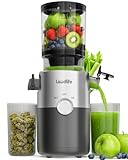
SMALLHOO Wide Chute Cold Press Juicer
Green juice sounds easy until the spinach bunch collapses into a damp clump and the kale stems start acting like rope. A machine that needs constant nudging can make the whole routine feel like one more chore before breakfast even starts. The best juicer for kale and spinach has to deal with fibrous leaves, soft greens, and awkward produce without turning every glass into a long prep session. SMALLHOO Wide Chute Cold Press Juicer takes a calmer, slower approach with a 5.3-inch feed chute, 60-ounce hopper, 300W motor, and 55 RPM slow-squeeze system.
SMALLHOO Wide Chute Juicer
SMALLHOO Wide Chute Juicer is built around a practical promise: less chopping, less waiting, and less fuss after the juice is poured. The 5.3-inch wide feed chute can handle whole fruits and vegetables more easily than narrow-mouth machines. That matters because green juice recipes often pair kale and spinach with apples, cucumbers, carrots, or citrus. Less prep means the habit has a better shot at surviving a busy weekday.
The 60-ounce hopper gives the machine a more relaxed workflow. Instead of feeding one ingredient at a time, a full recipe can be loaded for hands-free processing. That setup helps when the kitchen is already juggling coffee, breakfast, lunch containers, and a sink that somehow filled itself overnight. Small time savings add up, especially with routines that repeat often.
The design avoids feeling overly complicated. SMALLHOO keeps the structure fairly simple with a one-piece cold press layout and only three main parts for assembly and cleaning. That kind of design choice may not sound exciting on a product page, but it can matter more than fancy extras after two weeks of daily use. A juicer that's easy to take apart is far more likely to stay in rotation.
BPA-free food-grade materials also fit the wellness angle without making the machine feel fragile or precious. Since the parts touching juice are made from BPA-free materials, the drink path is designed with everyday safety in mind. For kale, spinach, and fruit blends meant to be consumed regularly, that detail feels reassuring. It's not flashy, but it's the sort of quiet feature people appreciate over time.
Slow Squeeze Performance
55 RPM slow-squeeze technology is the core of this juicer's personality. Instead of attacking produce at high speed, the system presses ingredients gently with a 300W motor. That slower movement helps reduce heat buildup and oxidation, according to the product details provided. For leafy greens, controlled pressure usually makes more sense than noisy spinning.
Kale benefits from this approach because the leaves and stems can be tough, dry, and stubborn. A slow press gives fibrous produce more contact time inside the chamber. That can help extract juice more steadily without creating excessive foam. Still, thick stems should be cut down a bit, because even a capable juicer doesn't need to wrestle a whole garden fence.
Spinach extraction is a different story. Spinach is softer, but it tends to fold into itself and move through machines unevenly. Pairing it with firmer ingredients like apple, cucumber, or carrot can help the juicer maintain a smoother feed. The SMALLHOO design supports this style of recipe building because the wider chute and hopper make mixed batches easier to manage.
The product description mentions retaining natural taste, color, and nutrients while keeping juice fresh for longer. Since no specific lab results are provided, that should be understood as a design intention rather than a measured claim. Even so, the slow cold press method does match the usual preference for green juices that need a cleaner texture and less harsh separation.
Prep Time And Hands-Free Flow
The 5.3-inch feed chute changes the feel of prep work in a noticeable way. Narrow juicers often demand small cubes, careful trimming, and a steady hand at the feed tube. This model allows larger produce pieces, which cuts down the knife work before juicing starts. That can make a kale-and-spinach blend feel doable on a regular morning instead of reserved for a quiet weekend.
The 60-ounce hopper adds another layer of convenience. Loading ingredients at once creates a more hands-off rhythm, so the machine can process while other kitchen tasks continue. It won't remove all supervision, of course, because produce still needs to be washed and arranged sensibly. But the workflow feels less like standing in line feeding a machine bite by bite.
Whole-fruit handling sounds especially useful for recipes built around greens plus juicy produce. Apples, oranges, cucumbers, and similar ingredients help push leafy greens through while adding liquid to the blend. The wider chute gives those supporting ingredients room to move without constant trimming. That means less interruption and a cleaner pace.
The tradeoff is size. A wide chute and 60-ounce hopper need more physical space than a slim personal juicer. Countertop depth, cabinet clearance, and storage habits should be considered before assuming it will fit anywhere. Practical appliances still have to earn their square inches.
Cleaning And Assembly
Quick cleaning is one of SMALLHOO's more practical selling points. The juicer uses a one-piece cold press design with only three parts, plus a special cleaning brush. That setup is aimed at faster assembly, disassembly, and cleanup after each use. For leafy greens, fewer parts can mean fewer places for stringy pulp to hide.
Kale residue can cling like it owns the machine. Spinach pulp can settle into corners and stain if left too long. A simple structure helps keep cleanup from becoming a punishment after every glass. The included brush is useful because strainers and pulp channels usually need a little attention beyond a quick rinse.
Easy assembly also matters before juicing begins. A machine that requires guesswork during setup can frustrate people before the first ingredient goes in. SMALLHOO includes specific setup guidance: components must be fully installed, the cover should stay lifted, and the hopper needs to rotate clockwise until the guide mark lines up with the lock symbol on the chamber. That instruction is worth taking seriously because improper assembly can stop the machine from working properly.
There is a mild learning curve here. The setup process sounds simple, but the lock alignment step means the parts need to be seated correctly. Anyone who rushes assembly may think something is wrong when the machine simply isn't locked into place. That small detail could prevent unnecessary frustration.
Juice Quality And Texture
Juice yield is positioned as a strength of this machine, especially with the slow-squeeze system and wide feeding design. Leafy greens don't naturally give up liquid easily, so a juicer needs consistent pressure to make the most of them. The 300W motor supports that process without relying on high-speed force. For kale and spinach, that calmer extraction style feels appropriate.
Green juice texture depends on more than power alone. Ingredient order, leaf size, and produce pairing all affect the final drink. Soft spinach may process better when tucked between firmer pieces, while kale can benefit from trimmed stems and smaller bundles. The best juicer for kale and spinach still works best with a little common sense from the person using it.
The provided details emphasize reduced heat buildup and oxidation. In practical terms, that points toward juice that may keep its natural color and taste more pleasantly than a hot, foamy blend. No specific storage duration is provided, so expectations should stay grounded. Fresh juice is still best handled carefully and kept chilled when not consumed right away.
In real-world usage, drink habits often overlap with broader nutrition questions, and a related reference appears in cranberry juice on keto. That topic isn't the same as kale juicing, but it fits the same larger conversation around juice ingredients, sugar awareness, and everyday beverage choices. The SMALLHOO machine is better judged by how it handles produce, not by diet claims attached to any single recipe.
Pros And Cons
Pros: The 5.3-inch wide feed chute reduces chopping and makes whole fruits and vegetables easier to process. The 60-ounce hopper supports a more hands-free workflow, which helps during busy kitchen routines. The 55 RPM slow-squeeze system pairs well with leafy greens because it favors steady pressure over harsh speed.
Pros: The one-piece design with only three parts makes assembly and cleanup feel less intimidating. The included cleaning brush is a useful tool for handling pulp residue after kale, spinach, and fibrous vegetables. BPA-free food-grade parts add peace of mind for daily juice preparation.
Cons: The hopper and wide chute make the juicer more convenient, but they also require more counter or storage space than smaller models. The setup needs proper alignment, especially the hopper lock mark, so rushed assembly could lead to avoidable trouble. It may not be the best fit for someone who only wants a tiny occasional juicer for one small glass.
Cons: Slow juicing naturally takes a calmer pace than high-speed machines. Thick kale stems and tangled greens may still need trimming or smarter ingredient layering. The product information also mentions higher juice yield, but no specific measured yield data is provided, so that claim should be treated as a feature promise rather than a verified number.
Everyday Use Notes
Daily convenience is where this SMALLHOO model makes its strongest argument. The feed chute reduces prep, the hopper reduces hand-feeding, and the simplified parts reduce cleanup friction. Those three pieces work together in a way that feels more useful than a single flashy feature. A juicer that saves effort before and after extraction has a better chance of staying on the counter.
The machine also feels suited to green juice recipes that include both leafy and firm ingredients. Kale and spinach alone can be tricky, but apples, cucumbers, carrots, and citrus can help create a smoother feed and more balanced flavor. The wide chute design makes those mixed recipes less annoying to prepare. That matters because most drinkable green juices need balance, not just a pile of leaves.
Limitations sit mostly around space, patience, and proper setup. This isn't a tiny minimalist appliance, and the slow-squeeze system won't satisfy someone expecting instant high-speed processing. The machine rewards a steadier approach: wash produce, load thoughtfully, align the parts correctly, and clean soon after use. Done that way, it feels practical rather than fussy.
SMALLHOO's biggest appeal is not drama or novelty. It's the way the machine tries to remove small annoyances that usually kill healthy routines. Less chopping, fewer parts, safer juice-contact materials, and a gentler extraction style give it a sensible place among options for the best juicer for kale and spinach. The final experience depends on realistic expectations and a willingness to treat leafy greens with a bit of patience.
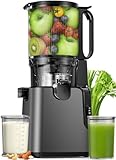
LAUDLIFE Cold Press Juicer
Leafy green juicing can feel oddly unfair. A beautiful pile of kale, spinach, lettuce, and celery goes in, then the wrong machine spits back tangled pulp, loud grinding, and barely enough juice to justify the cleanup. The best juicer for kale and spinach has to solve that exact irritation without asking for a half-hour of chopping first. LAUDLIFE Cold Press Juicer aims squarely at that problem with a wide chute, slow 40 RPM extraction, quiet operation, and a reverse button for stubborn jams.
LAUDLIFE Cold Press Juicer
LAUDLIFE Cold Press Juicer makes its strongest first impression with its leafy-green focus. The product details specifically mention celery, kale, spinach, lettuce, and leafy greens, which tells you the design isn't only chasing apple-and-carrot recipes. That matters because greens behave differently from juicy fruits. They tangle, compress, and sometimes clog weaker machines before the glass is even half full.
The 5.4-inch wide chute gives this model a friendlier prep routine. Whole apples, pears, and larger greens can fit without the usual tiny chopping marathon. That doesn't mean every ingredient should be tossed in carelessly, but it does reduce the repetitive knife work that makes juicing feel like a small kitchen shift. Wash, trim where needed, load, and the whole rhythm feels less cranky.
LAUDLIFE also leans into speed of use with the claim that fresh juice can be made in 30 seconds. Since the provided details don't describe the exact ingredient amount or method behind that timing, it makes sense to read it as a convenience claim rather than a universal rule. Still, the machine's larger chute and anti-clog design clearly point toward faster prep. For daily green juice, shaving off small delays can be the difference between doing it and skipping it.
BPA-free materials add another quiet advantage. The parts that contact juice are described as safe and suited for daily preparation. That isn't the loudest feature on the page, but it fits the kind of appliance that may touch fresh produce every morning. A juicer used often needs to feel dependable, not delicate.
Leafy Green Handling
Kale and spinach performance is the headline reason this machine belongs in the conversation. The design is described as leafy-green friendly and built to reduce tangling or clogging. That directly addresses one of the biggest complaints with green juicing. Fibrous ingredients can make a machine feel clumsy fast.
Kale brings stiffness and stringy texture, especially around stems. Spinach does the opposite, collapsing into soft layers that can bunch together. The LAUDLIFE setup appears intended to handle both ends of that leafy spectrum. A stronger motor and wide feed path help keep the process moving instead of forcing constant pauses.
Celery and lettuce also matter here because they often show up in green juice recipes alongside kale and spinach. Celery strings can wrap around internal parts, while lettuce adds bulk without much structure. A juicer that claims to manage these greens without clogging has a clear practical angle. It sounds less like a fruit-only machine and more like a green-juice workhorse.
Ingredient prep still has a role, even with a wide chute. Oversized stems, tangled bunches, and dense beetroot pieces benefit from sensible trimming. The juicer reduces the fuss, but it doesn't cancel common sense. Clean feeding habits usually lead to smoother extraction and less frustration.
Slow Cold Press Extraction
40 RPM slow cold press technology gives the LAUDLIFE machine a gentle extraction style. Instead of fast spinning, the juicer presses produce slowly to draw out liquid with less heat buildup. The product details state operation stays under 80 degrees Fahrenheit, which is positioned against fast centrifugal juicers that can exceed 150 degrees Fahrenheit. That contrast highlights the machine's focus on cooler, slower processing.
The brand also claims 99.7% max juice yield, drier pulp, and less waste. Since no independent test data is provided here, that number should be treated as the manufacturer's stated specification rather than a verified benchmark. Still, the design goal is easy to understand. More juice from expensive produce means less frustration when organic kale, spinach, ginger, and apples aren't cheap.
The product description mentions preserving up to 90% more vitamins, including vitamin C, and natural chlorophyll. Again, without test conditions, those claims work best as product-provided context rather than confirmed lab results. What can be fairly said is that slow extraction is commonly favored for juice texture and lower heat exposure. For leafy greens, that kind of process usually makes more sense than aggressive high-speed shredding.
Flavor is part of the equation too. Kale can taste sharp if a machine creates too much foam or rough texture. Spinach is milder, but it can still produce a muddy feel if poorly processed. A slow masticating approach helps the drink feel smoother and calmer in the glass.
Quiet Kitchen Routine
35db quiet operation is one of LAUDLIFE's more appealing claims. The product details describe it as library-quiet, powered by an AC induction motor. That matters because juicing often happens early, before the rest of the house is ready for appliance noise. A loud machine can turn a healthy routine into a domestic negotiation.
The quiet design is especially useful in apartments, shared homes, and kitchens close to bedrooms. Grinding through kale, ginger, or beetroot at sunrise shouldn't sound like a renovation project. A lower-noise motor helps make the habit feel less disruptive. That small comfort can keep the machine from being used only on rare weekends.
Peaceful operation also changes how the appliance feels while running. Some juicers make the whole process feel rushed and aggressive because the noise is so sharp. A calmer machine encourages a steadier pace. That fits well with slow juicing, where patience is part of the process anyway.
Noise claims always depend on environment and ingredient type. Hard ingredients like ginger and beetroot may sound different from spinach or lettuce. Even so, the 35db specification gives this juicer a clear identity. It is designed for low-disruption kitchen use, not just raw power.
Jam Control And Hard Ingredients
High-torque motor performance gives this machine another useful angle. The product description says it can crush hard ingredients like ginger and beetroot in seconds. That matters because green juice often tastes better with sharper accents. Ginger, beetroot, apple, and lemon can help balance kale's earthy edge.
The REV reverse button is a welcome detail for real-world juicing. Even carefully designed machines can occasionally meet a stubborn chunk or tangled green bundle. The reverse function is described as clearing jams in 3 to 5 seconds without disassembly. That can save a routine from turning into a full teardown at the sink.
Reverse functions are especially helpful with leafy ingredients because clogs don't always happen from hardness. Sometimes soft greens simply fold into a dense patch and slow everything down. Being able to reverse the auger gives the machine a pressure release. It feels like a practical mechanic's feature, not decorative tech.
Hard produce compatibility expands the recipe range. Ginger and beetroot aren't required for kale-and-spinach juice, but they make the machine more flexible. The limitation is still preparation size. Dense ingredients should be cut sensibly so the motor isn't forced to do all the work at once.
Cleaning And Counter Fit
Easy cleaning sits high on the list of things that decide whether a juicer gets used tomorrow. LAUDLIFE includes detachable parts such as the bowl, strainer, and juice cup, plus an included brush. That setup makes cleanup more approachable after leafy green recipes. Kale and spinach residue can cling hard, so access matters.
The product details say there should be no stubborn pulp residue, but real-world results depend on timing and ingredients. Rinsing soon after juicing is still the smarter move. Letting green pulp dry onto a strainer is a bad little science experiment. The included brush should help with those fine fibers that water alone won't move.
Small to medium kitchen fit is another practical point. The black gray color is described as matching minimalist, industrial, and rustic decor, though style is mostly a bonus here. Countertop appliances need to be convenient enough to stay reachable. If a juicer has to be dragged from a deep cabinet, it slowly loses the argument.
From a practical angle, kitchen blending questions sometimes sit beside juicing habits, and a related reference is Vitamix 5300 pricing. That link belongs to a different appliance category, so it works only as a nearby reference for kitchen prep gear rather than a direct comparison to this juicer. Juicing and blending solve different texture problems. LAUDLIFE is focused on juice extraction, not whole-fiber blending.
Pros And Cons
Pros: The 5.4-inch wide chute reduces chopping for apples, pears, greens, and larger produce pieces. The leafy-green focused design specifically addresses kale, spinach, celery, and lettuce. The slow 40 RPM extraction style supports cooler, gentler juicing.
Pros: The 35db quiet operation gives this model a clear comfort advantage for early or late use. The AC induction motor and high-torque design help with harder ingredients such as ginger and beetroot. The reverse button adds a practical way to clear jams without disassembly.
Cons: Manufacturer yield and nutrient claims are provided without independent test conditions, so they shouldn't be treated as verified universal results. The 30-second juice claim may vary depending on recipe size, ingredient type, and prep habits. Wide-chute designs still need thoughtful loading to prevent tangled greens from bunching too tightly.
Cons: Detachable parts may be easy to clean, but leafy green residue still needs prompt rinsing. The machine suits small to medium kitchens, yet counter space should still be considered. Hard ingredients may benefit from trimming despite the high-torque motor, especially with dense beetroot or chunky ginger.
Best Use Cases And Tradeoffs
Daily green juice routines are where LAUDLIFE seems most at home. The machine is clearly positioned for people who reach for kale, spinach, celery, lettuce, ginger, and beetroot rather than only soft fruit. That gives it a more specific purpose than basic entry-level juicers. Specificity helps because leafy greens punish vague design.
The juicer's quieter operation makes it easier to fit into real schedules. Early morning juice feels less awkward if the machine doesn't wake everyone nearby. Late-night prep also becomes less intrusive. The 35db design may be one of its most livable features.
Recipe flexibility benefits from the combination of leafy-green handling and hard-ingredient torque. Kale, spinach, apple, ginger, and beetroot can all sit in the same routine without making the machine feel out of its depth. That said, recipe balance still matters. Too many tough stems or too much soft leafy bulk at once can challenge any juicer.
LAUDLIFE Cold Press Juicer feels most convincing as a low-noise, green-focused machine with practical jam control. Its biggest strengths are the wide chute, slow extraction, reverse function, and quiet motor. Its weaker spots are mostly tied to expectation management around brand-provided yield, vitamin, and timing claims. Used with sensible prep and quick cleanup, it has the right feature mix for the best juicer for kale and spinach conversation.


Best Vitamix Immersion Blender Reviews: Top Choices for 2026

Banish Cramps with Homemade Pickle Juice: A Guide
Unravel the Secrets: How to Make Snake Juice at Home

Pear Juice: Unveiling the Health Benefits

Decoding the Effects: Is Pickle Juice a Laxative?

Unveiling the Truth: Is Cold Pressed Juice Pasteurized?
Is Pickle Juice Good for Plants? Unraveling the Truth

Orange Juice vs. Apple Juice: Uncovering the Better Choice






