
Best Juicer for Extracting Nutrients 2026 Picks

Best juicer for extracting nutrients has to do more than squeeze fruit and spit out pulp. A good machine handles leafy greens without turning them into sad, wet confetti, pulls juice from ginger without fuss, and keeps foam from stealing the show. That sounds simple, but anyone who has watched a cheap juicer choke on kale knows the story can get messy fast. The right pick makes the habit feel less like a chore and more like something that can actually stick.
Slow masticating juicers usually make the most sense for nutrient-focused juicing because they press produce instead of shredding it at high speed. That slower crush can help reduce heat and oxidation, which matters when the goal is fresher flavor and better color. Celery juice stays cleaner, beet juice tastes richer, and leafy blends don’t separate quite as quickly on the counter. Still, slow juicers can test your patience if the feed chute is tiny or cleanup feels like washing a toolbox.
Centrifugal juicers still have a place, especially for busy mornings when speed wins the argument. Apples, carrots, cucumbers, and oranges fly through quickly, and that quick rhythm can be a relief before work or after a grocery run. The tradeoff shows up with softer fruit, herbs, spinach, and wheatgrass, where high-speed blades often leave wetter pulp. So, yeah, the fastest juicer isn’t always the smartest one for squeezing every drop from delicate produce.
Pulp dryness tells a lot about how well a juicer extracts. Dry pulp usually means the machine pulled more liquid from the produce, while soggy pulp hints at wasted juice and extra grocery costs over time. Carrots and beets make this easy to notice because the leftover fiber should feel packed and crumbly, not dripping. Nobody wants to buy a fridge full of produce just to watch half the value land in the compost bin.
Cleanup matters more than many product pages admit. A juicer with fewer parts, a smooth screen, and dishwasher-safe pieces can make daily use feel realistic instead of heroic. Tiny mesh filters, awkward corners, and pulp trapped under seals can turn one healthy drink into a sink full of regret. A practical nutrient-focused juicer should respect the fact that real kitchens get crowded, rushed, and sometimes ignored until after dinner.
Juice texture also separates a decent machine from one that earns counter space. A better extractor gives greens a smoother body, roots a cleaner finish, and citrus a brighter snap without too much froth. Some pulp is fine if a thicker drink feels satisfying, but gritty sediment can ruin the whole glass. For nutrient-rich blends, balance matters because bitter greens, spicy ginger, and sweet apple need to come together without tasting muddy.
Noise level can be a sneaky dealbreaker. Early mornings, shared apartments, sleeping kids, and thin kitchen walls all make loud motors feel bigger than the specs suggest. Slow juicers usually run quieter, while high-speed models can sound like a blender having a rough day. That may not matter for occasional use, but daily juicing exposes every little annoyance.
Best juicer for extracting nutrients should match the produce that shows up most often in the basket. Leafy greens, celery, wheatgrass, ginger, turmeric, carrots, and beets point toward a slow cold-press style. Mostly apples, oranges, and cucumbers can work fine with a faster model, as long as yield isn’t the main concern. The sweet spot is a machine that handles the hard stuff, doesn’t waste the tender stuff, and won’t make cleanup feel like payback.

- TAR Score9.8
TAR Score is a ranking system developed by TopAppliancesReviews.com. TAR score has no relationship or impact from any manufacturers or sales agent websites. Learn more
- BrandECOSELF

- TAR Score9.4
TAR Score is a ranking system developed by TopAppliancesReviews.com. TAR score has no relationship or impact from any manufacturers or sales agent websites. Learn more
- BrandURVIBY

Juicer Machines,Fretta Cold Press Juicer Machines with American-Sourced PCTG Material,Fit
View on Amazon- TAR Score9.4
TAR Score is a ranking system developed by TopAppliancesReviews.com. TAR score has no relationship or impact from any manufacturers or sales agent websites. Learn more
- BrandFretta

- TAR Score9.0
TAR Score is a ranking system developed by TopAppliancesReviews.com. TAR score has no relationship or impact from any manufacturers or sales agent websites. Learn more
- BrandEanOruus

- TAR Score9.0
TAR Score is a ranking system developed by TopAppliancesReviews.com. TAR score has no relationship or impact from any manufacturers or sales agent websites. Learn more
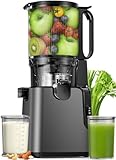
- BrandAMZCHEF
- TAR Score8.8
TAR Score is a ranking system developed by TopAppliancesReviews.com. TAR score has no relationship or impact from any manufacturers or sales agent websites. Learn more
- BrandYPONE

- TAR Score8.8
TAR Score is a ranking system developed by TopAppliancesReviews.com. TAR score has no relationship or impact from any manufacturers or sales agent websites. Learn more
- BrandAiron

- TAR Score8.6
TAR Score is a ranking system developed by TopAppliancesReviews.com. TAR score has no relationship or impact from any manufacturers or sales agent websites. Learn more
- BrandNutriBullet
- TAR Score8.4
TAR Score is a ranking system developed by TopAppliancesReviews.com. TAR score has no relationship or impact from any manufacturers or sales agent websites. Learn more
- BrandGDOR
Last update on 2026-06-20 / Affiliate links / Images, Product Titles, and Product Highlights from Amazon Product Advertising API
ECOSELF Cold Press Juicer For Nutrient-Rich Juice
Morning routines can fall apart fast when a juicer demands endless chopping, clogs halfway through a batch of celery, and leaves a mountain of parts waiting by the sink. The search for the best juicer for extracting nutrients usually starts after a few disappointing experiences with machines that promise convenience but create extra work. ECOSELF takes a different route by focusing on larger produce capacity, simplified assembly, and slow extraction designed to keep fresh ingredients tasting vibrant. That combination creates a noticeably smoother workflow for anyone trying to keep fresh juice part of a regular routine.
ECOSELF Cold Press Juicer
ECOSELF Cold Press Juicer immediately stands out because of its oversized 5.3-inch feed chute. Whole apples, peeled oranges, and large chunks of produce fit inside without turning preparation into a separate project. Fewer knife cuts mean less mess on the countertop, and that small convenience adds up over weeks of daily use.
Hands-free feeding changes the pace of juicing. Instead of constantly pushing ingredients through a narrow opening, produce feeds naturally through the system. Busy mornings often benefit from that design because attention can shift to preparing breakfast or cleaning ingredients rather than babysitting the machine.
The overall build feels focused on practicality rather than flashy marketing features. Large-batch juicing sessions become easier because less time is spent loading produce. For households that regularly juice carrots, apples, cucumbers, celery, or pineapple, that difference becomes noticeable almost immediately.
Slow Extraction And Nutrient Retention
Slow masticating technology remains one of the biggest reasons people choose cold press juicers. High-speed spinning systems generate more heat and air exposure, while slower extraction methods are designed to reduce oxidation. Fresh juice often appears richer in color and maintains its texture longer after preparation.
Nutrient-focused juicing depends heavily on how ingredients are processed. Leafy greens such as kale, spinach, and parsley can be challenging for cheaper centrifugal models, yet slow extraction generally handles these ingredients more effectively. The result is often drier pulp and a greater sense that less produce is being wasted.
Ginger and turmeric enthusiasts may appreciate the slower crushing action as well. Fibrous roots can overwhelm weaker juicers, but gradual pressure tends to work more efficiently than aggressive shredding. That matters when building juice recipes around ingredients known for intense flavor and nutritional value.
Texture also deserves attention. Juice produced through slower extraction commonly contains less foam and a smoother mouthfeel. That may sound minor, yet anyone who dislikes thick foam sitting on top of a green juice can quickly recognize the improvement.
Everyday Convenience In Real Kitchens
Quick assembly is one of those features that doesn't sound exciting until a complicated machine starts collecting dust. ECOSELF uses a simplified component layout that reduces setup time. Fewer pieces generally mean fewer opportunities to install something incorrectly.
Kitchen appliances often succeed or fail based on consistency rather than peak performance. A machine that takes ten minutes to assemble before every use can become frustrating. ECOSELF's streamlined approach makes daily juicing feel less like a commitment and more like a simple kitchen task.
One-touch operation contributes to that convenience. The rotary control system avoids complicated menus and excessive settings. Sometimes simplicity wins because users can focus on ingredients instead of operating instructions.
The reverse function deserves mention as well. Stringy celery fibers occasionally cause minor jams in almost any juicer. Being able to reverse the auger without dismantling the machine can save both time and patience.
Cleaning Experience And Maintenance
Easy cleaning remains one of the strongest selling points here. Many juicers perform well during extraction but become frustrating once cleanup begins. Narrow screens, hidden corners, and stubborn pulp can quickly drain enthusiasm.
ECOSELF keeps the process relatively straightforward by limiting component complexity. Most parts rinse clean under running water, and the included cleaning brush helps remove residue from harder-to-reach areas. That design choice supports long-term usability far more than flashy specifications.
Fresh juice habits often succeed because cleanup feels manageable. Spending five minutes cleaning equipment feels very different from spending twenty. A machine that respects that reality has a better chance of staying on the counter instead of being stored in a cabinet.
Safety Features And Household Practicality
Auto-stop protection adds a layer of reassurance. The system automatically stops when the lid is opened, reducing accidental contact with moving parts. Families with curious children may appreciate that extra safeguard.
Safety lock technology also contributes to smoother operation. The machine encourages proper assembly before activation, helping reduce mistakes during setup. Small details like these can make appliances feel more approachable for less experienced users.
The controls remain refreshingly simple. There are no complicated programming options or confusing displays. Instead, the machine focuses on reliable juicing performance without unnecessary distractions.
Pros And Cons
Pros:
- Large 5.3-inch feed chute accommodates whole fruits and larger vegetables.
- Slow masticating extraction helps minimize oxidation while producing smoother juice.
- Hands-free feeding system reduces preparation effort.
- Simple assembly makes daily use more realistic.
- Easy-to-clean components help shorten maintenance time.
- Reverse function assists with occasional clogs.
- Auto-stop safety lock adds peace of mind during operation.
- 24-month repair and replacement support adds value after purchase.
Cons:
- Large footprint may require more counter space than compact juicers.
- Slow extraction systems generally take longer than centrifugal models when processing hard produce.
- Whole produce feeding still benefits from basic preparation for oversized ingredients such as very large pineapples.
- Pulp-free preference may vary depending on ingredient combinations and personal taste.
Where It Fits Among Nutrient Extraction Juicers
Best juicer for extracting nutrients is a crowded category filled with machines chasing different priorities. Some focus on speed, while others emphasize compact storage or specialized green juice performance. ECOSELF leans toward convenience without abandoning the core strengths that make cold press technology appealing.
Large feed capacity and simplified maintenance create a practical balance. Plenty of juicers produce good juice, but fewer manage to reduce preparation work at the same time. That combination makes the machine particularly interesting for households processing larger quantities of produce several times per week.
Juice quality remains the central story. Greens, fruits, and fibrous vegetables benefit from the slow extraction approach, while the easier cleaning process removes one of the most common barriers to regular juicing. A relevant reference is quiet blender options for kitchens where noise management is also part of the daily routine.
Tradeoffs still exist, as they do with nearly every cold press juicer. Speed-focused buyers may prefer centrifugal alternatives, while those prioritizing nutrient preservation, lower foam levels, and simplified preparation may find the ECOSELF approach more aligned with long-term habits.
2-in-1 Cold Press Juicer For Nutrient Extraction
Counter space disappears quickly when kitchen gadgets promise convenience but end up gathering dust after a few uses. Fresh juice sounds appealing until prep work, cleanup, and disappointing yields turn a healthy habit into a chore. That challenge sits at the heart of the search for the best juicer for extracting nutrients, and this 2-in-1 Cold Press Juicer attempts to solve several of those frustrations at once. Between its wide chute, slow masticating system, and sorbet-making capability, it aims to deliver more than a simple glass of juice.
2-in-1 Cold Press Juicer
Versatility shapes the identity of this machine. Rather than focusing solely on juice extraction, it also functions as a sorbet maker, adding another layer of utility to the appliance. Frozen fruit can be transformed into a dessert-like treat without requiring a separate machine, which helps justify the counter space it occupies.
The off-white finish gives the juicer a clean appearance that blends easily into modern kitchens. Appliances don't need flashy styling to stand out. Practical design often ages better than trendy colors that feel dated after a year or two.
Five-inch feed chute design deserves attention right away. Larger fruits and vegetables require less chopping, reducing preparation time before the first drop of juice even reaches the glass. Less knife work can make daily juicing feel far more realistic.
Preparation fatigue often gets overlooked in product discussions. Yet spending ten extra minutes slicing apples into tiny pieces can become the reason a juicer stays unused. A wider chute helps remove that obstacle.
Cold Press Extraction Performance
Enhanced Cold Press Technology relies on a 250W motor paired with an impressive 120Nm torque output. Torque matters because it determines how effectively the auger can crush dense ingredients rather than simply pushing them through the machine. Carrots, beets, celery, and fibrous greens tend to benefit from that extra force.
The system operates at 48RPM slow squeezing speed, which is considerably slower than centrifugal alternatives. Lower speeds reduce heat buildup and limit oxidation during extraction. Juice often emerges with richer color and a fresher taste profile as a result.
Nutrient preservation remains one of the strongest arguments for slow juicers. Vitamins, enzymes, and naturally occurring compounds can be affected by excessive heat and air exposure. While no machine can magically improve produce quality, slower extraction helps maintain more of what is already present in the ingredients.
Leafy greens frequently expose the weaknesses of budget juicers. Kale, spinach, parsley, and wheatgrass contain long fibers that challenge weaker systems. The combination of slow rotation and strong torque gives this machine a better chance of extracting juice efficiently from those tougher ingredients.
Juice Quality And Yield
High-yield extraction becomes especially noticeable with expensive produce. Every bunch of kale, every bag of spinach, and every organic apple carries a cost. A juicer that leaves noticeably drier pulp can make grocery spending feel more worthwhile over time.
Texture matters just as much as yield. Slow pressing typically produces juice with less foam than high-speed centrifugal machines. That smoother consistency can make green juice blends easier to drink, particularly when recipes include strong ingredients such as ginger or turmeric.
Flavor retention benefits from the lower-speed process as well. Fruits often taste brighter, while vegetables maintain their distinct characteristics rather than blending into a generic sweetness. Small differences like these become easier to appreciate with regular use.
The machine isn't likely to satisfy everyone equally. Citrus-heavy drinkers focused purely on speed may prefer a faster extraction system. Nutrient-conscious juicing routines, however, tend to align well with the slow-press approach used here.
Cleaning And Daily Workflow
Easier cleaning can make or break a juicing habit. Many machines produce respectable juice but demand lengthy cleanup afterward. That tradeoff often discourages daily use, particularly on busy weekdays.
This model attempts to simplify maintenance through a more streamlined component design. Pulp removal feels less cumbersome than with older-generation juicers packed with intricate filters and hard-to-reach corners. Fewer frustrations at the sink often lead to more consistent use.
Rev mode functionality adds another practical benefit. Fibrous vegetables occasionally create blockages, especially during large juicing sessions. The reverse operation helps clear minor jams without requiring complete disassembly.
Kitchen routines thrive on convenience. Appliances that respect limited time tend to remain useful longer than machines requiring elaborate cleanup rituals after every use.
Real-World Ingredient Handling
Root vegetables place significant demands on any juicer. Dense carrots and beets can expose weak motors quickly. The strong torque output gives this machine a noticeable advantage when processing those tougher ingredients.
Soft fruits present a different challenge. Berries, ripe pears, and peaches can become mushy inside poorly designed systems. Slow pressing helps maintain a steadier extraction flow, reducing unnecessary waste.
Green juice recipes benefit from the machine's extraction style. Celery, cucumber, spinach, parsley, and kale often require multiple passes through weaker juicers. The masticating design is better suited to handling those ingredients efficiently.
One example worth noting is almond milk juicing equipment, which highlights how extraction systems can vary significantly depending on ingredient type and intended use.
Pros And Cons
Pros:
- 48RPM slow extraction helps reduce oxidation and heat generation.
- 120Nm torque output supports efficient processing of dense produce.
- 5-inch feed chute minimizes preparation work.
- 2-in-1 functionality allows both juice and sorbet preparation.
- Rev mode assists with clearing minor clogs.
- Less foamy juice texture compared with many centrifugal models.
- Strong leafy green performance for nutrient-focused recipes.
Cons:
- Slow extraction speed requires more patience than centrifugal alternatives.
- Larger footprint may challenge compact kitchens.
- Sorbet feature adds versatility but may not be used frequently by every household.
- Dense produce batches can still require steady feeding rather than rushing ingredients through.
Strengths That Stand Out
Best juicer for extracting nutrients isn't solely about laboratory measurements or marketing claims. Daily usability, extraction efficiency, and cleanup convenience matter just as much. This machine combines those factors in a way that feels grounded in practical kitchen use.
Strong torque and slow pressing create a balance that many nutrient-focused buyers appreciate. Rather than prioritizing raw speed, the design emphasizes steady extraction and juice quality. That approach often aligns better with routines centered around leafy greens, root vegetables, and homemade wellness blends.
Tradeoffs remain part of the package. Faster machines exist, smaller machines exist, and cheaper machines exist. Yet the combination of nutrient-focused extraction, broad ingredient compatibility, and dual-purpose functionality gives this juicer a distinctive place within the cold-press category.
Fretta Cold Press Juicer For Nutrient-Rich Juice
Fresh juice can feel like a smart habit right up until the prep board gets crowded, the pulp bin looks too wet, and cleanup steals the whole mood. A machine built for the best juicer for extracting nutrients needs to handle real kitchen friction, not just look nice beside a fruit bowl. Fretta leans into that practical side with a wide feed chute, PCTG material, cold press extraction, and a design that tries to keep assembly from turning into a puzzle. It’s not trying to be the fastest appliance in the room, and honestly, that’s part of the point.
Fretta Cold Press Juicer
Fretta Cold Press Juicer has a grounded, kitchen-first personality. The classic black finish gives it a clean look, but the real story sits inside the material choice and feeding design. It uses U.S.-sourced PCTG material, which the brand presents as durable, corrosion-resistant, wear-resistant, and truly BPA-free. That detail matters for anyone who cares about what touches fresh juice before it reaches the glass.
The 4.25-inch feed chute cuts down on prep work without pretending every ingredient can go in untouched. Whole apples can fit, while larger or awkwardly shaped vegetables may still need basic trimming. That’s fair. A wide chute helps most with daily produce routines where chopping everything into tiny pieces becomes the first excuse to skip juicing.
The one-piece-style assembly also gives the machine a friendlier feel. Some cold press juicers have enough parts to make cleanup feel like a punishment. Fretta keeps the structure simpler, and that can make the difference between using it twice a month and keeping it active several mornings a week.
Material Safety And BPA-Free Design
PCTG material is one of Fretta’s biggest talking points, and it’s not just a cosmetic detail. The brand emphasizes that this material helps deliver a truly BPA-free juicing path. For fresh juice, that claim fits the bigger purpose of the machine: keeping the process cleaner, calmer, and more trustworthy. Nobody wants a health-focused routine wrapped in questionable plastic.
The body material also speaks to long-term use. Durability, wear resistance, and corrosion resistance all matter because fruit acids, vegetable pigments, and frequent rinsing can wear down cheaper components over time. Beet juice stains, citrus acidity, and daily moisture are not gentle conditions. A sturdier material choice helps the juicer feel less disposable.
There’s a quiet reassurance in using a machine that doesn’t overcomplicate its safety message. Fretta focuses on food-safe construction, an automatic stop feature, and a secure lid system. That combination feels especially useful in shared kitchens where someone may start the machine without reading every line of the manual.
The lid lock deserves a little respect, even if it adds one extra step. The juicer won’t operate unless the cover is fully closed, and the instructions mention pressing down until a firm click confirms the fit. That snug closure may feel slightly fussy at first, but it supports safer operation during regular use.
Cold Press Juice Performance
Low-speed cold press technology sits at the heart of Fretta’s nutrient-focused appeal. Slow masticating extraction is designed to reduce heat and oxidation compared with faster spinning systems. That matters because juice flavor, color, and texture often suffer when ingredients are aggressively shredded. Fresh greens can turn dull quickly when air gets whipped into the mix.
The machine is built to process a range of fruits and vegetables, from apples and chopped produce to longer fibrous ingredients. Whole-recipe juicing becomes easier because the feed chute and 1-liter juice container support larger blends. Carrot, apple, celery, cucumber, and leafy green combinations feel more realistic when the container doesn’t fill after a tiny batch.
Yield is another practical concern. Fretta describes the machine as designed to maximize juice extraction, and the cold press style generally suits that goal better than fast centrifugal systems for greens and fibrous produce. The real value shows up when pulp feels less soggy and expensive ingredients seem better used. Grocery costs have a way of making waste feel personal.
Flavor also benefits from slower processing. Vibrant juice isn’t just about sweetness; it’s about keeping carrot earthiness, apple brightness, and green freshness from blurring into one flat taste. This machine’s slower approach fits recipes where nutrition and flavor both matter. Strong ingredients like celery or ginger still need thoughtful portions, though, because better extraction can make bold flavors even more noticeable.
Feed Chute And Batch Convenience
Large-capacity juicing gives Fretta a useful advantage in busier kitchens. The 1-liter juice container supports bigger batches, which helps with meal prep or multiple servings. Instead of stopping constantly to empty a smaller cup, the process can keep moving. That saves more than time; it keeps the rhythm from breaking.
The 4.25-inch chute is wide enough to reduce tedious knife work. Whole apples can go in, and long fibrous ingredients are easier to manage with sensible preparation. Still, very large produce should be cut down to avoid forcing the machine. A cold press juicer rewards patience, not aggressive stuffing.
Self-feeding convenience makes the experience smoother. Ingredients can move through with less constant pushing, which is helpful when preparing several juice combinations. That said, soft fruits and dense vegetables may behave differently. Alternating firm and juicy ingredients can help the machine maintain a steadier flow.
Fretta feels best suited for people who treat juice as part of a routine rather than an occasional novelty. The design choices support repeated use: wider chute, larger container, easier cleaning, and safer operation. Those details aren’t flashy, but they’re the ones that keep a juicer from becoming cabinet clutter.
Cleaning And Assembly Experience
Effortless assembly is one of Fretta’s better everyday strengths. The machine uses a simpler unit-style design that helps reduce the usual cold press learning curve. Assembly still requires attention, especially around the feed chute and top cover. Once the lock clicks into place, the setup feels more secure and predictable.
The brand says the machine can be cleaned in about 5 minutes using the included specialized brush. That’s a useful claim because cleanup is often the hidden dealbreaker with juicers. Mesh areas, pulp passages, and sealing zones can collect residue if rushed. The brush helps, but a quick rinse right after juicing will still make life easier.
The bottom sealing plug note is worth taking seriously. Fretta specifically mentions opening the plug during cleaning so residue can be fully removed from the juicing bowl. That small detail could prevent lingering pulp buildup and stale smells. Miss it a few times, and the machine may feel harder to maintain than it actually is.
Cleaning discipline matters more with cold press machines than many people expect. Apple foam, celery strings, beet pigment, and citrus pulp all behave differently after drying. Fretta’s easier-clean design helps, but it doesn’t remove the need for prompt care. The good news is that the process sounds manageable rather than fussy.
Safety Features And Reverse Control
Automatic stop protection adds a practical safety layer. The juicer stops when the feed chute lid is opened, which lowers risk during use. That design makes sense in homes where appliances are used around children or distracted mornings. A juicer should not demand constant worry.
The reverse function is another feature that sounds small until a fibrous ingredient causes a blockage. Celery, leafy stems, and dense vegetable pieces can sometimes slow the auger. Pressing reverse to rotate the auger in the opposite direction helps clear obstructions without tearing the whole machine apart. That saves patience in the middle of a batch.
Operation depends on proper lid closure, and Fretta makes that clear through its assembly instructions. The top cover may feel snug, requiring firm thumb pressure until the click is heard. That detail could annoy someone expecting a loose, effortless lid, but it supports secure operation. A tighter fit often feels better once the habit is learned.
The 1-year warranty adds a bit of reassurance, though it should be viewed as support coverage rather than proof of performance. Warranty information can help with peace of mind, especially for an appliance used around moisture and moving parts. Still, the machine’s real worth will come from how smoothly it fits into weekly use.
Pros And Cons
Pros:
- U.S.-sourced PCTG material supports a durable, food-safe juicing path.
- Truly BPA-free construction fits health-focused juice routines.
- 4.25-inch wide feed chute reduces prep work for apples and larger produce.
- 1-liter juice container supports bigger batches and whole-recipe juicing.
- Low-speed cold press extraction helps preserve fresh flavor and reduce oxidation.
- One-piece-style assembly makes setup feel less complicated.
- Reverse function helps clear fibrous ingredient blockages.
- Automatic stop feature improves safety when the lid opens.
Cons:
- Snug top cover may require firm pressure before operation.
- Bottom sealing plug must be opened during cleaning to remove residue properly.
- Cold press speed requires more patience than fast centrifugal juicers.
- Large container and wide chute may take more storage space in compact kitchens.
Practical tradeoffs make the Fretta juicer feel more honest than overhyped. It gives strong material reassurance, easier prep, and thoughtful safety features, but it still asks for proper assembly and prompt cleaning. Cold press juicing has a rhythm, and rushing that rhythm can cause jams or cleanup headaches. From a practical angle, pomegranate juice storage habits also matter after extraction, and a related reference appears in pomegranate juice freshness.
Best juicer for extracting nutrients depends on more than raw power. Fretta focuses on the pieces that shape real use: less chopping, cleaner material contact, larger batches, and safer operation. The machine suits kitchens where fresh juice is meant to be repeated, not treated as a once-a-month project. Its strongest difference is the way material safety and cold press performance sit together without making the whole setup feel overly technical.
Realistic expectations help this machine make more sense. It won’t erase every prep step, and it won’t turn hard produce into juice instantly. It will, however, reduce some of the annoying barriers that make nutrient-focused juicing feel harder than it needs to be. For greens, apples, fibrous ingredients, and bigger recipes, Fretta brings a sensible mix of control, capacity, and everyday usability.
EanOruus 3-in-1 Cold Press Juicer
Big juicing plans can get derailed by tiny feed chutes, constant refills, and a sink full of parts that nobody wants to touch after breakfast. This machine comes in with a different attitude, built around fewer interruptions and more flexibility for people chasing the best juicer for extracting nutrients without turning the kitchen into a produce-processing station. The EanOruus setup leans hard into capacity, hands-free loading, and multiple drink styles, which makes it feel less like a casual gadget and more like a daily prep tool. Still, size and versatility always come with tradeoffs, so the real question is how well those big features serve real routines.
EanOruus 3-in-1 Cold Press Juicer
EanOruus 3-in-1 Cold Press Juicer starts with a clear promise: juice, nut milk, and sorbet from one appliance. That kind of 3-in-1 versatility matters when counter space is already crowded with blenders, coffee gear, and containers waiting to be washed. Instead of buying separate tools for fresh juice and frozen fruit desserts, this machine uses interchangeable strainers to shift between different textures. It’s a clever setup, especially for kitchens where one appliance needs to earn its spot.
The juice and sorbet strainers give this model more range than a basic cold press machine. Pure juice fits the morning routine, nut milk works for smoothies or cereal, and frozen fruit sorbet gives overripe bananas or berries a second life. That last part is surprisingly practical because wasted fruit is a quiet little guilt trip in plenty of kitchens. Turning soft produce into something useful helps the machine feel less one-note.
The premium gray finish also keeps the design from looking too clinical. Some white juicers look bright at first but show stains quickly, especially around beet, carrot, or berry residue. Gray tends to hide small marks better between cleanups, though detachable parts still need proper rinsing. A good-looking appliance won’t matter much if it’s annoying to maintain, but the color choice does feel sensible.
Daily usability is where this model tries to separate itself. The large chute, large hopper, dishwasher-safe parts, and removable pulp ejector all point toward less hands-on fuss. None of that guarantees effortless juicing, of course. Cold press machines still reward steady ingredient loading and basic produce prep, even with a larger design.
Extra-Large Chute And Batch Capacity
6.5-inch mega-wide chute is the headline feature, and it’s not hard to see why. A chute this wide can accept large whole fruits and vegetables, including apples and oranges, which cuts down on chopping before juicing. That prep reduction can be the difference between using the juicer on a weekday and putting it off until the weekend. Less knife work also means fewer sticky cutting boards and less produce scattered across the counter.
The 100oz hopper pushes the batch-prep angle even further. Loading ingredients for multiple servings at once keeps the process moving instead of forcing constant refills. That matters during meal prep, family breakfast runs, or larger gatherings where one glass at a time feels painfully slow. Capacity doesn’t sound glamorous, but it changes the rhythm of the whole session.
Large capacity also has a practical downside. Bigger hoppers and wider chutes usually mean a larger appliance footprint. Small kitchens, narrow counters, or cabinets with low clearance may feel the bulk more than the benefits. So, yes, the size is a strength, but only if the available space can handle it.
Hands-free juicing works best when ingredients are loaded thoughtfully. Whole apples and oranges can fit, but oversized produce, very hard roots, or awkward fibrous stems may still need trimming. A wide chute reduces prep, not common sense. Keeping ingredients balanced helps the auger work smoothly and reduces the chance of clogs.
Cold Press Power And Nutrient Extraction
Whisper-quiet AC motor gives this juicer a more serious personality than a lightweight occasional-use model. The high-torque brushless design is meant to crush hard, fibrous ingredients while keeping noise lower during operation. Morning juicing feels a lot less rude when the motor doesn’t sound like it’s waking the whole house. Quiet performance can be a real quality-of-life feature, especially in shared spaces.
The machine’s cold press extraction supports nutrient-focused juicing by relying on crushing and pressing instead of high-speed shredding. That slower approach is commonly valued for reducing heat and air exposure during the process. Fresh juice often tastes cleaner and looks more settled when foam is kept under control. For greens, carrots, celery, apples, and citrus, that texture difference can make the drink feel more polished.
High-yield performance is also tied to the motor and auger design. Hard produce and fibrous ingredients can be stubborn, especially when a weak motor slows down or leaves wet pulp behind. EanOruus aims for consistent extraction through torque rather than speed. That approach feels better suited to serious juicing routines than quick, occasional citrus-only batches.
The “best juicer for extracting nutrients” label depends on more than one feature. Capacity, slow pressing, ingredient handling, and cleanup all work together. This model’s strongest case comes from combining nutrient retention with practical batch efficiency. It’s not just about making juice; it’s about making enough juice without dragging the process out.
Nut Milk And Sorbet Functionality
Homemade nut milk adds a useful layer to this machine’s role. Almonds, cashews, or other soaked nuts can become creamy drinks without relying on a separate specialty appliance. The texture will still depend on preparation, ingredient ratios, and straining preferences, but having the function built in broadens the machine’s value. It fits well for kitchens where dairy-free drinks are part of the routine.
The sorbet function may sound like a fun extra, yet it can be pretty practical. Frozen bananas, mango chunks, berries, and peaches can turn into a cold treat without added fuss. That helps reduce fruit waste and gives the machine a role beyond breakfast juice. Not bad for days when the produce drawer starts looking a little too ambitious.
Interchangeable strainers do add one maintenance consideration. Switching between juice, nut milk, and sorbet means keeping parts organized and cleaned properly. Losing track of accessories can make the feature feel less convenient over time. A small drawer bin or storage container would help keep the setup from becoming clutter.
Texture control becomes the real advantage of the 3-in-1 system. Juice wants clarity, nut milk wants smooth body, and sorbet needs enough thickness to feel satisfying. The separate strainers help the machine adapt instead of forcing every ingredient through the same screen. That makes the versatility feel more intentional than gimmicky.
Cleanup And Kitchen Maintenance
Dishwasher-safe detachable parts are a big relief for anyone who has scrubbed pulp from a tiny juicer screen by hand. Cold press machines can be frustrating after use, especially with fibrous greens or sticky fruits. EanOruus tries to lower that barrier by making cleanup quicker and less fussy. The removable pulp ejector also helps because pulp buildup is often where cleaning turns annoying.
That said, dishwasher-safe doesn’t mean maintenance-free. Fresh pulp dries fast, and dried pulp acts like glue around strainers and corners. A quick rinse right after juicing still makes the whole process easier. Fast cleanup depends as much on timing as it does on design.
The bright, modern design looks clean on the counter, but juice ingredients can be messy. Carrot, beet, grape, and berry pigments may require prompt rinsing to avoid staining removable parts. The premium gray exterior should hide minor handling marks better than a bright white shell. Still, the detachable pieces deserve regular care if the machine is used often.
Real-world cleaning usually comes down to habits. Load produce thoughtfully, empty pulp before it packs down too tightly, and rinse parts before sitting down with the juice. Those small steps prevent the machine from feeling like a chore. In some cases, drink storage and mixing habits overlap with juice use, and a neutral related note appears in orange juice pairing.
Pros And Cons
Pros:
- 3-in-1 design supports juice, nut milk, and frozen fruit sorbet.
- 6.5-inch extra-large chute reduces chopping for whole fruits and vegetables.
- 100oz hopper supports larger batches and fewer refills.
- High-torque AC brushless motor helps crush hard and fibrous ingredients.
- Whisper-quiet operation fits early mornings and shared kitchens better.
- Interchangeable strainers improve texture control for different recipes.
- Dishwasher-safe detachable parts reduce cleanup friction.
- Removable pulp ejector makes residue handling more practical.
Cons:
- Large footprint may feel bulky in smaller kitchens.
- Multiple accessories require organized storage.
- Big hopper loading still needs thoughtful ingredient placement.
- Cold press pace may feel slower than centrifugal juicers.
- Frozen sorbet use depends on having properly prepared frozen fruit.
Practical strength shows up in the way EanOruus handles volume. The combination of a wide chute and large hopper means less stopping, less chopping, and less fidgeting with small batches. That’s a meaningful advantage for people who prep juice ahead or make several servings at once. A smaller juicer may be easier to store, but it won’t offer the same batch rhythm.
Main weakness sits in the same place as its biggest strength: size. This machine is built for capacity, not tiny-apartment minimalism. It needs counter room, accessory organization, and a bit of routine discipline. For kitchens that can handle the footprint, the feature set feels far more useful than excessive.
Best juicer for extracting nutrients is a phrase that gets tossed around too easily, but this model makes a solid argument through slow pressing, high torque, and better workflow design. The 3-in-1 setup gives it more range than a standard juice-only machine. The large hopper keeps batch prep moving, while quieter operation makes daily use less disruptive. It’s a bold appliance, sure, but one built around the kind of practical annoyances that often decide whether fresh juice becomes a habit or a short-lived phase.
AMZCHEF Slow Masticating Juicer
A good juicing routine can get weirdly fragile. One bitter orange batch, one clogged celery session, or one cleanup that takes too long can make the whole habit slide right off the counter. The best juicer for extracting nutrients has to protect flavor, reduce waste, and keep the process steady enough for real mornings, not just calm weekends. AMZCHEF takes a slower, more controlled approach with a 7-spiral masticating system, reverse function, small feeder chute, and a design built around high-yield fruit and vegetable extraction.
AMZCHEF Slow Masticating Juicer
AMZCHEF Slow Masticating Juicer feels like a more deliberate machine than the big-mouth juicers that focus mainly on speed. Its small feeder chute slows the pace a bit, but that isn’t automatically a downside. Cutting fruit before juicing gives more control over seeds, tough cores, and bitter bits. For citrus, apples, and certain fibrous produce, that extra prep step can help the final glass taste cleaner.
The black finish gives the unit a low-key look that won’t shout for attention on the counter. More importantly, the design seems built around slow extraction rather than flashy shortcuts. It asks for a little patience, then pays that back with better ingredient control. That rhythm suits juicing sessions where flavor and yield matter more than raw speed.
The machine runs on applicable US voltage 110v-120v, which is a practical detail worth noting for kitchen compatibility. It also includes a brush for cleaning, which matters because pulp can settle into small spaces after fibrous ingredients. A juicer without a proper cleaning tool can quickly become a headache. AMZCHEF at least acknowledges that cleanup is part of the real experience.
Spiral Masticating System And Juice Yield
7-spiral masticating is the main feature behind this juicer’s nutrient-focused pitch. The system is designed to crush and press produce through multiple stages instead of tearing it apart at high speed. That slower pressure can help reduce oxidation during extraction. For ginger, celery, oranges, and fibrous vegetables, the approach makes sense.
The brand describes the machine as built for maximum juice yield and richer nutrition. That claim fits the general cold press idea, though actual results still depend on produce quality, ingredient size, and how steadily items are fed into the chute. Fresh celery that’s firm and crisp will behave differently from limp stalks hiding in the fridge. No juicer can rescue tired produce completely.
Minimal oxidation is a useful goal for anyone making juice ahead of time, even if fresh drinking still gives the best flavor. Slower juicing usually creates less froth than fast centrifugal models. That can make green juice feel smoother and less airy. The difference is especially noticeable with leafy greens and watery vegetables.
There is one small reality check. The product notes that sound during stirring is normal because the machine rubs against food. That means a bit of mechanical noise should not be mistaken for a defect right away. Still, anyone expecting silent operation may need to adjust expectations.
Small Chute Flavor Control
Small caliber feeding may look old-school beside extra-wide chute machines, but it serves a purpose here. Smaller openings require produce to be cut before loading. That extra step allows seeds, thick peels, and damaged spots to be removed before they affect the juice. Bitter flavors often sneak in through those overlooked pieces.
Orange juice is a good example. Seeds and excess pith can turn a bright drink into something sharp and unpleasant. With AMZCHEF, the prep stage encourages better sorting before ingredients hit the auger. It’s slower, sure, but the tradeoff can be better taste control.
The smaller chute also supports safer operation around the feeding area. The product description mentions that it can help prevent children from being injured during juicing. That doesn’t replace supervision, of course. But a narrower entry point does reduce the open access found on some larger-feed machines.
Prep work remains the main compromise. People who want to drop whole apples into a juicer may feel boxed in by the smaller chute. Those who don’t mind slicing produce first may appreciate the added control. Different kitchens have different patience levels, and this design clearly favors careful preparation over speed.
Multi-Function Potential With Attachments
Multi-functional design gives AMZCHEF a broader role than basic juice extraction. The product description notes that the juicer can also work with meat grinder or slicer shredder attachments. Those attachments need to be purchased separately, so the base machine should not be treated as a full all-in-one package out of the box. Still, the expandability adds an interesting layer.
Kitchen appliances earn their place by doing enough useful work without becoming clutter. A juicer that can support extra functions through attachments may appeal to homes trying to avoid too many single-use tools. That said, separate accessories mean extra storage, extra cost, and extra cleaning. Practical value depends on whether those attachments actually get used.
The cold press juicer function remains the main reason to consider this model. Ginger shots, celery juice, orange blends, and vegetable-heavy recipes fit its core design better than meat grinding or shredding add-ons. The attachments are a side road, not the center lane. Buyers focused only on nutrient extraction can still judge it mainly by juice performance.
There’s also something honest about modular usefulness. Not every kitchen needs every attachment on day one. Keeping the machine focused at first, then adding functions only if needed, can prevent the “too many parts, not enough use” problem that haunts plenty of cabinets.
Cleaning, Reverse Function, And Care
Reverse function is one of the more practical features on this AMZCHEF juicer. Fibrous foods can jam the auger, especially celery strands, ginger fibers, and dense vegetable pieces. Being able to reverse the movement helps loosen stuck ingredients without immediately taking everything apart. That saves time and keeps frustration from boiling over.
The included cleaning brush matters because cold press machines collect pulp in screens, corners, and channels. Rinsing alone may not remove everything after leafy greens or stringy produce. A brush gives better reach into the spots where residue likes to hide. Cleaning right after use still makes the biggest difference.
Food-grade anti-oxidation materials are used for detachable parts, according to the product description. That sounds reassuring, but the care note deserves equal attention. The parts are not resistant to strong acids, so extracting large amounts of lemon continuously should be avoided. After acidic ingredients, quick cleaning becomes more than a nice habit.
The intelligent protection chip adds another layer of daily usability. It helps protect operation and supports safer use, especially when combined with correct assembly. Machines with protection systems can feel less risky during routine use. Still, proper cleaning, careful feeding, and sensible ingredient prep remain the user’s job.
Pros And Cons
Pros:
- 7-spiral masticating system supports slow extraction and high juice yield.
- Reverse function helps clear stuck ingredients during juicing.
- Small feeder chute encourages seed removal and better flavor control.
- Cold press design helps reduce oxidation during extraction.
- Cleaning brush supports easier maintenance after fibrous produce.
- Food-grade detachable parts fit health-focused use.
- Expandable function allows optional meat grinder or slicer shredder attachments.
- 2-year motor and accessory guarantee adds stated support coverage.
Cons:
- Small chute requires more chopping than wide-mouth juicers.
- Attachments must be purchased separately for extra functions.
- Strong acid limitation means heavy lemon use needs extra care.
- Normal stirring sound may surprise people expecting very quiet operation.
- Slower masticating process may feel less convenient for rushed mornings.
Best juicer for extracting nutrients doesn’t always mean the biggest chute or the fastest motor. AMZCHEF makes a stronger case for careful extraction, flavor control, and manageable maintenance. The small feeder chute asks for more prep, but it also helps reduce bitterness by encouraging seed removal. That tradeoff gives the machine a more intentional feel.
The main strength is its balance of slow juicing and practical safeguards. Reverse operation, intelligent protection, and a cleaning brush all solve common cold press annoyances. The machine is not built for dumping in whole fruit and walking away. It’s built for people willing to prep ingredients in exchange for better control over taste and yield.
Realistic limitations keep the review grounded. Heavy lemon extraction needs caution, attachments cost extra, and chopping is part of the process. From a practical angle, powerful blending sits in a nearby kitchen category, and a related reference appears in vitamix a2300 details. AMZCHEF fits best as a slow, steady juicing tool for fruits, vegetables, ginger, celery, and recipes where nutrient retention matters more than shaving off every minute.


Best Vitamix Immersion Blender Reviews: Top Choices for 2026

Banish Cramps with Homemade Pickle Juice: A Guide
Unravel the Secrets: How to Make Snake Juice at Home

Pear Juice: Unveiling the Health Benefits

Decoding the Effects: Is Pickle Juice a Laxative?

Unveiling the Truth: Is Cold Pressed Juice Pasteurized?
Is Pickle Juice Good for Plants? Unraveling the Truth

Orange Juice vs. Apple Juice: Uncovering the Better Choice






