
Best juicer for carrots and beets 2026, Tough Picks

Best juicer for carrots and beets shopping gets tricky fast because these two roots don't behave like soft fruit. Carrots need steady pressure, while beets can stain parts, clog weaker strainers, and turn a lazy cleanup into a sink-side headache. A solid machine should pull juice without sounding strained, wobbling across the counter, or leaving chunky pulp that feels like wet sawdust. That little difference matters on busy mornings, especially when fresh juice is supposed to make life easier, not messier.
Motor strength deserves more attention than shiny looks because dense produce pushes a juicer harder than oranges or cucumbers. Centrifugal models can handle carrots quickly, though they often create more foam and a warmer juice texture. Slow masticating juicers usually give a smoother pour, better pulp dryness, and calmer operation, but they ask for more prep work. So, the better pick depends on whether speed or texture matters more in the kitchen.
Feed chute size can make or break the routine, and yep, that sounds small until a pile of carrots is waiting on the cutting board. A wider chute cuts down prep time, while a narrow chute gives the auger more control over hard pieces. Beets add another wrinkle because larger chunks may bounce, stain, or jam if the machine feels underbuilt. The sweet spot is a chute that saves time without forcing the motor to chew through oversized roots like a wood chipper.
Cleanup should never be treated like an afterthought because beet juice finds every groove, gasket, and hidden corner. Smooth removable parts, a simple strainer basket, and dishwasher-safe pieces can keep the whole habit from fizzling out after a week. A pulp container that detaches cleanly also helps, since carrot fibers can pack tightly and make rinsing annoying. Small design choices matter here, and they often separate a juicer that gets used from one that becomes counter décor.
Juice texture tells the truth once the machine starts working. Dry pulp usually means better extraction, while soggy pulp hints that valuable juice is still trapped in the fiber. Carrot juice should taste bright and clean, not gritty, and beet juice should pour evenly without thick clumps. A reliable juicer keeps those textures predictable, even when ginger, celery, apple, or lemon joins the mix.
Noise level matters more than people admit, especially in apartments, shared kitchens, or early morning routines. Fast juicers can be loud but quick, which works fine when the goal is to get in and get out. Slow juicers tend to run quieter, though the pace can feel a bit drawn out if patience is thin. Neither style is automatically better, but the wrong one will absolutely test your nerves.
Best juicer for carrots and beets should feel practical, not precious. The right choice handles firm roots, rinses without drama, fits the available counter space, and doesn't punish regular use with fussy parts. A compact model may suit smaller kitchens, while a heavier machine can feel more stable during big batches. The real win is a juicer that makes the healthy habit feel repeatable, because consistency beats one impressive glass every time.

- TAR Score9.8
TAR Score is a ranking system developed by TopAppliancesReviews.com. TAR score has no relationship or impact from any manufacturers or sales agent websites. Learn more
- BrandECOSELF

- TAR Score9.0
TAR Score is a ranking system developed by TopAppliancesReviews.com. TAR score has no relationship or impact from any manufacturers or sales agent websites. Learn more
- BrandEanOruus

- TAR Score9.0
TAR Score is a ranking system developed by TopAppliancesReviews.com. TAR score has no relationship or impact from any manufacturers or sales agent websites. Learn more
- BrandTUUMIIST

- TAR Score8.8
TAR Score is a ranking system developed by TopAppliancesReviews.com. TAR score has no relationship or impact from any manufacturers or sales agent websites. Learn more
- BrandHamilton Beach
- TAR Score8.8
TAR Score is a ranking system developed by TopAppliancesReviews.com. TAR score has no relationship or impact from any manufacturers or sales agent websites. Learn more
- BrandACOQOOS
- TAR Score8.8
TAR Score is a ranking system developed by TopAppliancesReviews.com. TAR score has no relationship or impact from any manufacturers or sales agent websites. Learn more
- BrandYPONE

- TAR Score8.4
TAR Score is a ranking system developed by TopAppliancesReviews.com. TAR score has no relationship or impact from any manufacturers or sales agent websites. Learn more
- BrandQCen

- TAR Score8.4
TAR Score is a ranking system developed by TopAppliancesReviews.com. TAR score has no relationship or impact from any manufacturers or sales agent websites. Learn more
- BrandJuilist
Last update on 2026-06-20 / Affiliate links / Images, Product Titles, and Product Highlights from Amazon Product Advertising API
Best Juicer For Carrots And Beets
Hard root vegetables expose weaknesses fast. Weak motors struggle, narrow chutes slow everything down, and cleanup can turn a healthy habit into a chore. That's exactly why the best juicer for carrots and beets needs more than decent extraction. It needs practical design choices that remove friction from the entire juicing process, and the ECOSELF Cold Press Juicer leans heavily into that idea.
ECOSELF Cold Press Juicer
ECOSELF Cold Press Juicer immediately stands out because of its oversized 5.3-inch feed chute. Carrots, beets, apples, and even larger produce require far less prep work compared to many traditional slow juicers. That difference sounds minor on paper, yet it becomes noticeable after several mornings of chopping vegetables before coffee. Less knife work means less resistance to maintaining a regular juicing routine.
Hands-free feeding also changes the experience more than expected. Many slow juicers require constant pushing and monitoring, creating a stop-and-start workflow. ECOSELF's auto-feeding design allows ingredients to move through the machine with less intervention. That small convenience adds up when preparing larger batches for the refrigerator.
Kitchen counters often become crowded with appliances competing for attention. A juicer that feels complicated usually ends up pushed into storage after a few weeks. ECOSELF avoids that problem by emphasizing simple operation and fewer removable components. The design feels focused on everyday use rather than occasional demonstrations.
Performance With Carrots And Beets
Carrots and beets place significant demands on any juicer because of their density and fibrous texture. Slow masticating technology generally handles these ingredients better than high-speed centrifugal models, and ECOSELF follows that approach. The machine processes firm vegetables steadily rather than aggressively shredding them at extreme speeds.
The slower extraction method helps reduce oxidation during juicing. Juice tends to appear smoother, with less foam sitting on top compared to many fast-spinning alternatives. Fresh carrot juice often looks brighter, while beet juice maintains a richer texture without excessive separation immediately after pouring.
Pulp consistency is another area worth mentioning. While no juicer extracts every drop possible, the ECOSELF unit appears designed to maximize extraction without creating a complicated cleanup process. Carrot pulp typically exits relatively dry, which is usually a positive sign during daily use.
Beets occasionally challenge weaker machines because of their firmness. ECOSELF's slow crushing mechanism feels more controlled during processing, reducing the sudden vibration that sometimes occurs with harder vegetables. The overall experience feels calm rather than mechanical and noisy.
Convenience In Daily Use
Quick assembly might sound like a marketing bullet point until you've assembled a complicated juicer with a pile of separate parts. ECOSELF keeps the setup process relatively straightforward. Fewer components mean fewer opportunities to install something incorrectly before a busy morning.
Cleanup remains one of the biggest reasons people abandon juicing altogether. Beet stains, carrot fibers, and sticky fruit residue can quickly become frustrating. ECOSELF addresses this with rinse-ready parts and an included cleaning brush, making maintenance feel manageable instead of exhausting.
The machine's one-touch control system also removes unnecessary complexity. There are no confusing menus or multiple operating modes to learn. A simple rotary knob handles the primary functions, which fits nicely into the product's practical philosophy.
Storage becomes easier when fewer parts require organization. Small kitchens especially benefit from appliances that don't demand an entire cabinet shelf for accessories. ECOSELF maintains a reasonably streamlined footprint once cleaned and stored.
Safety Features And Practical Details
Safety lock technology provides extra peace of mind during operation. The machine automatically stops if the lid is opened, reducing potential accidents during use. That feature feels especially relevant in homes where multiple family members may operate the appliance.
The reverse function serves a practical purpose rather than simply appearing on a specification sheet. Fibrous ingredients occasionally create minor blockages in almost any slow juicer. Instead of disassembling the machine immediately, users can activate reverse mode to help clear stubborn material.
Noise levels remain relatively moderate compared to many centrifugal alternatives. Slow juicers generally produce a lower-pitched mechanical sound rather than a high-speed whine. Early morning juicing sessions become less disruptive as a result.
Daily reliability often matters more than headline features. ECOSELF appears built around repeatable routines rather than occasional showcase performance. That approach tends to age better in real kitchens where convenience determines long-term use.
Pros And Cons
Pros:
- Large 5.3-inch feed chute reduces prep work significantly.
- Hands-free auto-feeding design simplifies batch juicing.
- Slow masticating extraction helps maintain smoother juice texture.
- Quick assembly supports everyday convenience.
- Easy cleaning process with included cleaning brush.
- Reverse function helps address occasional clogs.
- Auto-stop safety lock improves operational safety.
- 24-month service support adds reassurance after purchase.
Cons:
- Slow juicing process remains slower than centrifugal models.
- Large feed chute increases overall appliance size.
- Very hard produce may still require occasional monitoring during extraction.
- Single-speed operation offers fewer customization options than premium competitors.
Where It Fits In Real Kitchens
Some juicers impress with technical specifications but become frustrating after repeated use. ECOSELF takes a different path by focusing on efficiency, simplicity, and routine-friendly design. That balance works particularly well for carrot and beet juicing, where preparation and cleanup often create bigger obstacles than extraction itself.
Large batches become easier because whole produce can often enter the machine with minimal cutting. Meal prep sessions feel less interrupted, and fresh juice preparation becomes easier to incorporate into a weekly schedule. Small improvements in workflow frequently matter more than tiny differences in extraction percentages.
One example worth noting is non stick belgian waffle maker, which highlights how kitchen appliances increasingly focus on reducing preparation time and simplifying cleanup rather than adding complexity. ECOSELF follows a similar philosophy through its oversized chute and streamlined assembly process.
Best juicer for carrots and beets discussions often focus entirely on extraction quality. ECOSELF certainly performs well in that area, but its strongest advantage may be removing many of the small annoyances that cause people to stop juicing in the first place. Less chopping, easier cleaning, and straightforward operation create a smoother experience from start to finish.
Best Juicer For Carrots And Beets
Prep work has a funny way of killing healthy habits. A pile of carrots, a cutting board covered with beet chunks, and a sink waiting for cleanup can make fresh juice feel like more work than it's worth. That's where the best juicer for carrots and beets earns its place, and the EanOruus Juicer Machines approaches the challenge from a different angle. Instead of focusing on extraction alone, it puts serious effort into reducing the small frustrations that tend to pile up during everyday use.
EanOruus Juicer Machines
EanOruus Juicer Machines doesn't look like a typical cold press juicer built only for occasional weekend use. The oversized hopper, extra-wide chute, and AC motor suggest a machine intended for larger batches and repeated use. That distinction matters because carrots and beets are among the hardest ingredients most home juicers regularly process.
Versatility also sits at the center of its design. The package includes separate strainers for juice and sorbet production, allowing the machine to handle more than a single task. Nut milk preparation adds another layer of functionality, giving the appliance a broader role in the kitchen instead of serving only one purpose.
Visual design often gets overlooked in appliance reviews, yet countertop equipment becomes part of daily life. The bright white finish keeps the machine looking clean and modern without drawing excessive attention. Kitchens with limited visual space often benefit from appliances that blend in rather than dominate the room.
Heavy-duty construction becomes especially valuable during repetitive use. Dense vegetables demand more from a juicer than soft fruits, and machines that feel underpowered usually reveal their weaknesses quickly. EanOruus appears designed with tougher workloads in mind.
Built For Hard Vegetables
Carrots and beets create a demanding test for any cold press system. Their density can expose weak motors, inefficient augers, and poorly designed feed systems. The AC brushless motor used here aims to address those challenges through steady torque rather than relying on excessive speed.
Slow extraction remains one of the biggest advantages for root vegetable juicing. Carrot juice often develops a smoother texture when processed gradually, while beet juice tends to maintain a richer consistency. The machine's design focuses on preserving that slower extraction process without turning preparation into a lengthy project.
Fibrous ingredients can occasionally challenge smaller juicers, especially when batches become larger. Kale stems, ginger, carrots, and beets all create resistance as they move through the system. The motor's high-torque approach helps maintain steady performance without demanding constant attention.
Practical expectations still matter. Hard vegetables may occasionally benefit from strategic loading, especially when combining several dense ingredients together. No juicer completely eliminates the realities of processing tough produce, but this machine clearly aims to reduce interruptions during operation.
The Massive Chute Advantage
The 6.5-inch feed chute becomes one of the first features people notice. Whole apples, oranges, and many larger vegetables can enter with little or no chopping. Less cutting means less preparation time, and that convenience grows more noticeable with every batch.
Large feed systems often sound like a luxury feature until meal prep enters the picture. A few glasses of juice require modest effort, but preparing several containers for future use can become tedious quickly. The oversized chute helps keep the process moving smoothly.
Hands-free loading creates another benefit that isn't obvious from specifications alone. Constant pushing and feeding can become repetitive during larger juicing sessions. The design allows ingredients to move through more naturally, creating a workflow that feels less demanding.
Preparation time frequently determines whether an appliance becomes part of a routine or remains hidden in storage. This chute directly addresses that issue by removing one of the most common barriers to frequent juicing.
100oz Hopper And Batch Juicing
The 100-ounce hopper changes how the machine can be used. Smaller juicers often require frequent refilling, creating interruptions that slow down the entire process. Larger capacity allows ingredients to be loaded in bigger quantities before juicing begins.
Batch preparation becomes more practical with this setup. Multiple servings can be prepared during a single session, reducing the need to repeat the process every day. That convenience often matters more than small differences in extraction efficiency.
Family-sized production is another area where the larger hopper proves useful. Preparing juice for several people becomes less repetitive because fewer loading cycles are required. The process feels more streamlined and less fragmented.
Storage containers still need consideration, of course. Producing larger amounts of juice means planning for refrigeration and consumption schedules. The machine supports larger production, but users still benefit from realistic expectations about fresh juice storage.
Cleaning And Everyday Ownership
Cleanup remains one of the least glamorous but most important aspects of ownership. Beet juice stains, carrot fibers, and fruit residue can quickly transform enthusiasm into frustration. Dishwasher-safe detachable parts simplify the process considerably.
The removable pulp ejector deserves attention because pulp management often creates unnecessary mess. Cleaning individual corners and hidden channels can become tedious over time. A simpler system helps reduce that burden.
Routine maintenance feels manageable rather than intimidating. Appliances that require lengthy cleaning sessions often lose favor after the initial excitement wears off. This design appears focused on making repeat use more realistic.
A related kitchen reference occasionally appears in discussions about batch cooking and breakfast preparation, including double waffle maker, where efficiency and easy cleanup influence long-term satisfaction just as much as performance itself.
Features That Shape Daily Experience
The 3-in-1 functionality creates flexibility beyond traditional juicing. Juice extraction, nut milk preparation, and sorbet production allow the appliance to serve multiple roles throughout the week. That broader usefulness can justify valuable counter space.
Nut milk preparation especially benefits from a dedicated filtration approach. Almonds, cashews, and similar ingredients often require different handling compared to fruits and vegetables. The interchangeable strainer system supports that variation effectively.
Sorbet production introduces a practical way to use frozen fruit without adding extra appliances. Frozen bananas, berries, and mangoes can become desserts while reducing food waste. That capability expands the machine's usefulness beyond morning juice routines.
Quiet operation rounds out the ownership experience. The AC motor focuses on torque rather than aggressive noise, helping the machine feel less intrusive during early mornings or busy kitchen hours. Small details like that often determine whether an appliance remains part of daily life or slowly fades into occasional use.
Best Juicer For Carrots And Beets
Dense produce doesn't forgive a lazy machine. Carrots bring tough fibers, beets bring stubborn color, and both can turn a quick juice idea into a chopping marathon if the setup feels fussy. The best juicer for carrots and beets needs enough strength to handle firm roots, but it also needs a workflow that doesn't make the sink look like a crime scene afterward. This Cold Press Juicer Machines model leans into that daily-use problem with a wide chute, large hopper, slow extraction, and a cleanup system that sounds built for people who don't want juicing to eat the whole morning.
Cold Press Juicer Machines
Cold Press Juicer Machines is the shortened name that fits this review, and honestly, the product's strongest pitch starts with convenience. The 6.5-inch feed chute allows whole-sized fruits and vegetables to go in with far less chopping. For carrots and beets, that matters because prep work is usually the part that makes people sigh before they even plug in the juicer. Less cutting means fewer stained boards, fewer scattered peels, and fewer excuses to skip the routine.
The large feed opening also gives this machine a more relaxed rhythm. Instead of slicing every ingredient into small sticks and feeding them one by one, the wider chute can take bigger pieces. That design feels especially useful with firm produce that normally demands extra knife work. Time-saving prep becomes the real benefit, not just a nice phrase on the box.
A wide chute isn't magic, though. Beets can still be bulky, slippery, and oddly shaped, so smart loading still matters. Very large or uneven pieces may need trimming for smoother feeding. That tradeoff feels fair because the machine still removes a big chunk of the usual prep burden.
The overall design seems aimed at frequent juicing rather than occasional countertop showmanship. A juicer that saves time before, during, and after use has a better shot at staying in rotation. With carrots, beets, apples, celery, and leafy add-ins, that kind of practical design can make the habit feel less like a chore.
Built Around A 6.5-Inch Feed Chute
The 6.5-inch feed chute is the headline feature, and it's not just about fitting bigger fruit. Root vegetables are often the reason people want a larger opening in the first place. Carrots can be long and awkward, while beets can be round, hard, and messy once cut. A wider chute reduces that constant trimming and helps the juicing session move with fewer stops.
That wider chute pairs well with the idea of batch juicing. Carrot-beet blends often include apples, ginger, lemon, cucumber, or leafy greens to balance the flavor. Feeding those ingredients with less chopping helps maintain momentum. Recipe flow becomes smoother because the prep station doesn't become the bottleneck.
Still, hard produce deserves a little respect. A whole beet may technically fit, but smaller pieces can sometimes create steadier extraction depending on size and shape. The machine gives more freedom, not an excuse to overload it carelessly. That difference keeps expectations grounded.
For kitchen routines where time matters, this feature has a clear benefit. The machine cuts down on the repetitive slicing that makes cold press juicing feel slow. It won't turn root juicing into a ten-second task, but it does remove one of the biggest annoyances from the process.
Large Hopper For Hands-Free Juicing
The 100-ounce hopper pushes this juicer beyond the one-glass-at-a-time mindset. Loading an entire recipe at once can make the process feel more efficient, especially with carrot and beet combinations that use several ingredients. Instead of hovering over the chute with wet hands, there's room to prep, load, and let the machine work through the batch. That hands-free angle can be a real sanity saver during busy mornings.
The hopper also supports multitasking in a practical way. Coffee can brew, breakfast can move along, or containers can be set out while the juicer handles the loaded produce. That sounds simple, but small overlaps like that are how kitchen routines become sustainable. Hands-free operation helps the appliance feel less demanding.
Large capacity does come with responsibility. Overloading any juicer with too many hard ingredients at once can slow the feed or increase strain. Carrots and beets are dense enough that mixing them with softer produce may help the flow feel more balanced. A little common sense keeps the large hopper from becoming a stuffing contest.
The bigger hopper makes the most sense for larger recipes or repeated servings. Single-glass juicing may not need all that space, but the capacity becomes useful once the goal shifts toward meal prep or shared juice. Batch-friendly design is the quiet advantage here.
Slow Masticating Power At 60 RPM
The 350W motor gives this cold press machine a meaningful foundation for tougher produce. Carrots and beets need torque more than flashy speed, and the 60 RPM operation fits the slow masticating approach. Instead of blasting ingredients apart, the machine crushes and presses at a calmer pace. That style usually supports smoother juice and less chaotic pulp handling.
The slower speed can also help reduce foam compared with fast centrifugal machines. Beet juice especially can look cleaner when it isn't whipped aggressively during extraction. Carrot juice may also come out with a more even texture when the machine works steadily. Cold press extraction is about patience, and this design leans into that slower rhythm.
Noise control is another practical upside. The product description notes quiet operation, which matters if juicing happens early or in a shared kitchen. A quieter motor doesn't just feel nicer, it makes the appliance less annoying to live with. Nobody wants a health routine that sounds like yard equipment indoors.
The tradeoff is speed. Cold press juicers generally take more time than high-speed models, and this one won't be different just because the chute is large. The benefit is a more measured extraction process, while the cost is a slower pace. Juice quality and convenience meet somewhere in the middle.
Juice Output And Waste Control
High juice yield is one of the stated product goals, and it makes sense for carrot and beet juicing. These ingredients can be pricey or messy enough that leaving too much liquid in the pulp feels irritating. A cold press system that extracts more juice with less waste can make each batch feel more worthwhile. That matters even more when the recipe uses several pounds of produce.
Carrot pulp can pack tightly, and beet pulp can feel heavy if the machine doesn't press thoroughly. A good masticating system should separate liquid from fiber without turning everything into a jammed paste. This model's focus on maximizing output points in the right direction. Less waste means the produce pile works harder for the glass.
Realistic expectations still belong in the conversation. No home juicer extracts every drop, and pulp dryness can vary based on ingredient freshness, cut size, and loading style. Older carrots may behave differently than crisp ones, and very fibrous beets may need steadier feeding. The machine can help, but ingredients still have a say.
For mixed juices, the output advantage becomes more noticeable over time. Apples add moisture, carrots add sweetness, and beets bring body and color. A machine that handles those textures without constant clearing makes the whole process feel more controlled. Consistent extraction is the real prize.
Cleanup And Assembly Feel
Easy cleanup can make or break a juicer faster than almost any performance feature. Beet juice stains quickly, carrot fiber clings to screens, and pulp can hide in small channels if the design is too complicated. This model includes a quick-release system and cleaning brush, which helps address the exact mess root juicing creates. The goal isn't glamorous, but it's absolutely practical.
Assembly also matters because complicated parts create hesitation. A machine that takes too long to put together becomes easier to ignore. Quick assembly supports more casual use, especially during rushed mornings or after-work juice prep. Simple setup lowers the mental barrier before the first carrot goes in.
The cleaning brush is a small detail with a real purpose. Screens and pulp paths need targeted scrubbing, especially after beets or fibrous greens. Running water alone may not clear everything, so a brush helps keep residue from drying into stubborn patches. That kind of maintenance support keeps the machine feeling less fussy.
A neutral food-and-drink reference can add useful perspective here, since beverage habits often overlap with questions about ingredients and nutrition in sunny delight orange juice without forcing a direct product connection.
Strengths, Weaknesses, And Best Fit
The biggest strength is the way this juicer reduces friction around hard produce. The wide chute cuts prep time, the 100-ounce hopper supports bigger batches, and the 350W motor gives the machine enough backbone for carrots and beets. It feels designed around actual kitchen pressure points. Less chopping, less babysitting, and less cleanup frustration all matter.
The main weakness is the same tradeoff found in many cold press machines. Slower extraction means the process won't feel as fast as a centrifugal juicer. The larger chute and hopper help offset that, but they don't erase the nature of masticating juicing. Patience is still part of the deal.
Counter space may also be worth thinking about. A 6.5-inch chute and 100-ounce hopper suggest a machine with more physical presence than compact personal juicers. Small kitchens may need a clear storage plan before adding it to the lineup. Size and capacity work together, but they also require room.
The best fit is a routine built around repeated use, larger recipes, and firm produce. Carrot-beet juice, green blends, apple-root combinations, and prep-ahead bottles all make sense here. This machine may feel like too much for occasional citrus-only juicing, but for dense vegetables and batch prep, its feature set lines up well with the job.
Hamilton Beach Big Mouth Juicer
Root-heavy juice can feel like a wrestling match before the glass is even poured. Carrots roll around the cutting board, beets stain anything they touch, and a weak machine turns the whole thing into pulp drama. The best juicer for carrots and beets needs power first, but it also needs a layout that keeps prep and cleanup from becoming the reason the habit fades. Hamilton Beach Big Mouth Juicer takes the fast, practical route with an 800W motor, a 3-inch feed chute, dishwasher-safe removable parts, and a simple centrifugal build made for quick juice sessions.
Hamilton Beach Big Mouth
Hamilton Beach Big Mouth is the shortened name here, and it fits the product's personality pretty well. This isn't a slow, fussy cold press machine trying to turn juicing into a quiet ritual. It works more like a straightforward kitchen workhorse for people who want carrot juice, beet juice, celery juice, or fruit blends without dragging the process out. Fast extraction is the main story, and the 800W motor sits right at the center of it.
The 3-inch feed chute gives the machine a practical edge over smaller centrifugal juicers. A whole apple, a peeled orange, or a handful of kale can fit without the same level of pre-cutting. Carrots may still need trimming depending on shape and length, but the chute clearly reduces some of the repetitive knife work. For beets, cutting oversized pieces down still makes sense, especially because dense roots can put more strain on any extractor.
The product description calls out easy assembly, and that matters more than it sounds. Juicers with too many awkward parts often end up in a cabinet after the first burst of enthusiasm. This model keeps the setup familiar and uncomplicated, which helps during rushed mornings. Simple assembly makes fresh juice feel less like a planned event.
A missing juice cup is worth noting right away. The product includes an extra-large pulp bin, but the juice cup is not included. That isn't a dealbreaker, but it does mean a glass, pitcher, or compatible container needs to be ready before juicing starts. Small detail, big mess if forgotten.
Fast Extraction For Dense Roots
800W of power is the feature that gives this juicer its confidence with carrots and beets. Dense produce asks for speed and force, and centrifugal machines are built around exactly that kind of quick breakdown. The product description specifically notes that the motor can turn a dense beet into smooth juice in seconds. That promise lines up with the machine's fast-extraction identity.
Carrots tend to behave well in centrifugal extractors because their firm texture feeds cleanly into the cutting disc. Beet pieces can also process quickly, though their color and density make cleanup more noticeable afterward. The Hamilton Beach design favors speed over quiet, slow pressing. Quick juicing becomes the reason to choose it over a masticating model.
The tradeoff is juice texture. Centrifugal juicers often create more foam than slow press machines, especially with watery fruits or leafy greens mixed in. Carrot and beet juice may still taste fresh, but the pour can look lighter, airier, or more separated after sitting. That doesn't make the machine weak, it simply reflects the extraction style.
Short sessions are where this juicer makes the most sense. A few carrots, a beet, an apple, and some celery can move through quickly without turning the kitchen into a long project. Speed and convenience are the clear priorities here, especially for routines where waiting around isn't part of the plan.
Large Chute And Less Pre-Cutting
The Big Mouth chute gives this model its name and much of its everyday appeal. The 3-inch opening can fit many whole fruits and larger vegetable pieces, which cuts down on prep time. That matters because cutting produce is often the least enjoyable part of juicing. Less pre-cutting means fewer stained hands, fewer dishes, and less hesitation before starting.
Whole apples and peeled oranges are directly mentioned in the product details. A handful of kale can also go in, which helps with mixed green juice recipes. Carrots can be fed with less fuss than they would require in narrow-chute machines. Beets, being heavier and rounder, still deserve more careful sizing.
Continuous juicing feels easier with a chute this size. Instead of stopping after every few pieces, ingredients can move in a steadier rhythm. That helps when making vegetable juice for more than one glass or preparing a larger morning batch. The extra-large pulp bin supports that same idea by reducing interruptions.
There is still a practical limit. Oversized produce can bounce, jam, or feed unevenly if loaded carelessly. A wide chute reduces prep, but it doesn't replace common sense. Smart loading keeps the machine moving better, especially with hard roots like beets.
Cleanup And Dishwasher-Safe Parts
Easy cleaning is one of the strongest reasons this model stays appealing. Removable parts are dishwasher safe, which helps after dealing with beet juice and carrot pulp. Root vegetables leave behind stubborn fibers and bright stains, so anything that reduces scrubbing earns points. BPA-free removable parts also add reassurance for everyday food contact.
The extra-large pulp bin makes cleanup more organized during bigger juice sessions. Instead of emptying pulp repeatedly, the bin can collect more waste before stopping. That detail sounds boring, but it affects flow in the kitchen. Pulp management often decides whether juicing feels smooth or annoying.
Centrifugal juicers usually require attention around the strainer basket. Carrot fibers can cling to the mesh, and beet residue can settle into tight spots. A quick rinse right after use helps prevent dried pulp from becoming stubborn. Waiting too long, well, that's asking for a scrubbing session.
The dishwasher-safe design doesn't erase all maintenance. Some pieces may still need a quick brush or rinse before going into the dishwasher, especially after fibrous vegetables. Still, the removable-part setup makes the process less intimidating than machines with complicated internal channels. Cleanup convenience is a real strength here.
Pros And Cons
Pros: The biggest advantage is speed. The 800W motor gives this juicer the muscle to handle dense produce quickly, including carrots and beets. The 3-inch feed chute reduces prep work and helps larger fruit or vegetable pieces move through with less cutting. The simple build also makes assembly feel approachable rather than fussy.
More strengths: Dishwasher-safe removable parts make cleanup easier after colorful root juices. The extra-large pulp bin supports longer sessions without constant emptying. BPA-free parts are a useful detail for repeated use with fresh produce. For quick vegetable juice, the machine has a practical, no-nonsense feel.
Cons: The juice cup is not included, so a separate container is needed. Centrifugal extraction may produce more foam than slow masticating juicers. The machine may not be the best match for someone who values quiet operation above speed. Beets and large roots still need sensible trimming, even with the wider chute.
Another limitation is texture control. Fast extraction can be lively and efficient, but it doesn't offer the slower press feel of cold press machines. Leafy greens may also perform differently than firm fruits and roots, depending on how they are fed. The machine is strongest with quick, practical juicing rather than slow, low-foam sipping.
Best Fit And Real-World Use
Hamilton Beach Big Mouth Juicer suits a routine built around speed, dense produce, and simple cleanup. It makes sense for carrot-beet blends, apple-carrot juice, celery combinations, and other recipes where firm ingredients need fast processing. The 800W motor gives it enough confidence for roots, while the wide chute keeps prep from dragging. That balance makes it appealing for busy kitchens.
The machine may feel less satisfying for someone chasing the calm texture of cold press juice. Centrifugal extraction is louder and usually foamier, so expectations need to be realistic. Still, not every kitchen needs slow extraction. Some routines need a juicer that moves fast and doesn't make the process precious.
Food-prep curiosity often spills into less common ingredients too, and a neutral reference can sit naturally beside this topic in juicing eggplant as part of broader kitchen experimentation. The Hamilton Beach model itself stays focused on common fruits and vegetables, especially the kind that benefit from a stronger motor and larger feed chute.
The best juicer for carrots and beets doesn't look the same for every kitchen. This model leans toward speed, easy assembly, dishwasher-safe cleanup, and direct performance with firm produce. It asks users to accept the normal centrifugal tradeoffs, including more foam and a separate juice container. For a practical root-juice routine, those compromises may feel perfectly reasonable.
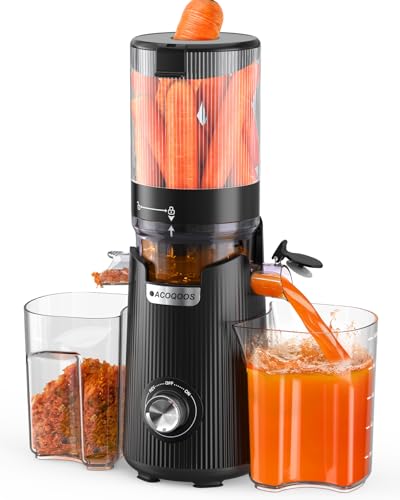
ACOQOOS Cold Press Juicer
Some juicers make root juice feel like a tiny kitchen renovation. Beets stain the board, carrots need steady cutting, and the cleanup can outlast the actual drink. The best juicer for carrots and beets has to cut down that friction without pretending dense produce is effortless every single time. ACOQOOS Cold Press Juicer takes a slower, calmer path with a 55 RPM masticating system, a 5.3-inch chute, a 1.8L hopper, and a rinse-clean design built for repeat use.
ACOQOOS Cold Press Juicer
ACOQOOS Cold Press Juicer feels built around the daily annoyance of prep work. The 5.3-inch wide chute gives larger fruits and vegetables more room to enter without being chopped into tiny pieces first. That matters with carrots and beets because both ingredients can turn a simple juice recipe into a pile of scraps. Less cutting also means fewer stained hands, fewer beet marks, and less time hovering over a board.
The auto feed and pre-cut design gives this machine a more relaxed rhythm than narrow-chute juicers. Produce can be loaded with less constant babysitting, especially when the recipe includes apples, carrots, cucumbers, and leafy add-ins. The 1.8L hopper adds enough room to prepare a larger mix before the machine starts working through it. That setup helps the process feel more like loading a recipe than feeding a machine one bite at a time.
The black finish gives the unit a clean, grounded look on the counter. It doesn't scream for attention, which is useful in kitchens already packed with small appliances. The two included cups are a practical touch, especially since some juicers skip basic serving accessories. Everyday convenience shows up in small details like that.
The product description mentions a 99.6% juice yield, and that number should be treated as a brand-provided claim rather than an independent test result. Still, the point behind the claim is clear: the machine is designed to press produce thoroughly and reduce wet pulp. With expensive or messy ingredients like beets, better extraction can make each batch feel less wasteful.
Slow 55 RPM Extraction
The 55 RPM slow masticating system gives this juicer its main identity. Instead of using high-speed spinning, it crushes and presses ingredients at a slower pace. That style suits carrots and beets because dense roots respond well to steady pressure. The process may feel more patient, but it can produce a smoother, calmer juice texture.
Slow juicing also helps reduce the frantic foam that often appears with faster machines. Carrot juice tends to look cleaner when it isn't whipped aggressively. Beet juice can keep a richer body, especially when paired with apple, lemon, ginger, or celery. Texture control becomes one of the main benefits.
The slower speed does mean this isn't the fastest option on the counter. Anyone expecting instant juice may feel the pace right away. That said, the large chute and hopper help offset the slower extraction by reducing prep interruptions. The workflow becomes less about speed alone and more about fewer little stops.
Dense produce still asks for sensible handling. A large beet may fit, but trimming it into steadier pieces can help the machine work more smoothly. Carrots with awkward bends may also feed better after a quick cut. Slow pressing rewards patience and smart loading.
Wide Chute And Hopper Workflow
The 5.3-inch chute removes one of the biggest barriers to root juicing. Traditional narrow feeds often require carrots, apples, and beets to be sliced into small chunks. That extra work sounds manageable until the sink fills with peelings and the board turns purple. A wider opening keeps the session moving with less prep fatigue.
The 1.8L large-capacity hopper also changes the pace of the task. Instead of hovering nearby with a handful of produce, ingredients can be loaded together in a larger batch. That helps during morning routines, weekend prep, or multi-glass recipes. Fewer refills make the machine feel less needy.
Auto feeding adds another layer of convenience, though it doesn't remove all judgment from the process. Hard roots should still be arranged in a way that helps them settle into the auger. Soft fruits can help balance harder ingredients, especially in carrot-beet blends. A little sequencing keeps the feed smoother.
This design especially helps with mixed juice recipes. Carrots bring sweetness, beets bring earthiness, apples soften the flavor, and ginger adds bite. Loading those ingredients with less cutting keeps the recipe from feeling fussy. Batch-friendly prep is where this machine starts to make sense.
Cleaning And Safety Details
Rinse-to-clean design is one of the product's most appealing promises. The description says no auxiliary tools are required and cleaning can take less than one minute when rinsed immediately after use. That timing should depend on ingredient residue and how quickly the parts are rinsed, but the idea is practical. Beet juice and carrot fiber are far easier to handle before they dry.
Easy cleaning matters because juicing habits usually fail at the sink. A machine can make beautiful juice and still become annoying if cleanup feels like punishment. A simplified rinse process gives this model a better chance of staying useful during the week. Low-maintenance cleanup may be just as important as yield.
The safety features are also worth noting. Lid-off auto-shutoff helps prevent operation while the machine is open, and BPA-free material supports regular contact with juice. Overheat protection adds another layer for longer sessions or heavier produce loads. Safety assurance feels practical rather than decorative here.
The 3-year warranty gives this juicer a stronger ownership story than many basic models. Warranty terms can vary by seller and registration details, so the provided claim should be read carefully before relying on it. Still, upgraded coverage suggests the brand is positioning the machine for longer use. After-sales support can matter when an appliance handles dense ingredients regularly.
Pros And Cons
Pros: The 5.3-inch wide chute helps reduce prep work, especially with carrots, apples, and beets. The 1.8L hopper supports larger recipes and fewer loading pauses. The 55 RPM masticating system favors steady extraction over rushed processing. The included two cups add a useful practical touch right out of the box.
More strengths: The rinse-clean design directly addresses one of the biggest juicing frustrations. Lid-off auto-shutoff, BPA-free materials, and overheat protection add sensible safety details. The brand-provided 99.6% juice yield claim points toward a focus on reducing waste. The 3-year warranty claim gives extra reassurance compared with shorter coverage.
Cons: Slow masticating extraction takes more time than centrifugal juicing. Large hard roots may still need trimming, even with the wider chute. The 99.6% yield figure comes from the product description, not independent testing provided here. The larger hopper and chute may require more storage space than compact juicers.
Another tradeoff is the balance between convenience and careful loading. Auto feed helps, but carrots and beets are dense enough to benefit from smart placement. The machine reduces effort, not reality. That distinction keeps expectations fair.
Real Kitchen Fit
ACOQOOS Cold Press Juicer fits best in a routine where root juice appears often enough to justify a dedicated machine. Carrot-beet blends, apple-ginger mixes, celery additions, and leafy greens all fit the machine's slow-press direction. It seems less suited to someone who only wants quick citrus drinks once in a while. The strengths show up most clearly with firm produce and repeat batches.
The machine's personality is calm, roomy, and convenience-driven. It doesn't chase the raw speed of an 800W centrifugal model. Instead, it tries to make slow juicing less annoying through a wide chute, larger hopper, rinse-friendly parts, and sensible safety features. Best juicer for carrots and beets shoppers who hate prep work may appreciate that balance.
Kitchen appliance conversations often overlap across blending, grinding, and food prep routines, and one neutral reference point sits naturally in vitamix for indian cooking where texture control and motor behavior also matter. That comparison doesn't make the products the same, but it shows how appliance choices often come down to consistency, cleanup, and repeat use.
The main limitation is pace. This juicer asks for a slower mindset, even though the wide chute and hopper help save prep time. For dense roots, that slower rhythm may be worth it if smoother juice and less waste matter more than raw speed. For rushed mornings, the best experience will come from prepping ingredients thoughtfully and rinsing parts right away.


Best Vitamix Immersion Blender Reviews: Top Choices for 2026

Banish Cramps with Homemade Pickle Juice: A Guide
Unravel the Secrets: How to Make Snake Juice at Home

Pear Juice: Unveiling the Health Benefits

Decoding the Effects: Is Pickle Juice a Laxative?

Unveiling the Truth: Is Cold Pressed Juice Pasteurized?
Is Pickle Juice Good for Plants? Unraveling the Truth

Orange Juice vs. Apple Juice: Uncovering the Better Choice






