
Best Heavy Bottom Stainless Steel Cookware 2026

Best heavy bottom stainless steel cookware tackles the uneven heating that can turn an ordinary dinner into a stovetop headache. Thin pans often scorch onions directly above the burner while leaving food near the edges barely cooked. A thicker base spreads heat across a wider area, helping sauces simmer more calmly and proteins brown without developing random burnt patches. That steadier behavior won’t fix careless heat settings, but it gives every recipe a much better starting point.
Layered construction usually places aluminum or copper between stainless steel surfaces. Stainless steel brings durability and a nonreactive cooking area, while the inner conductive layer moves heat faster than steel could manage alone. Fully clad pans carry those layers through the sidewalls, which helps soups, stews, and reductions cook more evenly from bottom to rim. Disc-bottom cookware keeps the conductive material mainly under the pan, so it can cost less but may heat less consistently along the sides.
Heat retention becomes noticeable the moment cold ingredients hit the cooking surface. A lightweight skillet can lose temperature quickly, leaving meat pale and surrounded by released moisture instead of developing a flavorful crust. A substantial base holds onto more heat, so the pan recovers faster and keeps the cooking process moving. Still, cranking the burner to full blast isn’t the answer because stainless steel responds best to controlled preheating and moderate adjustments.
Cooking technique matters because stainless steel isn’t naturally nonstick. Food can cling if it enters a cold pan, if the surface is overheated, or if too little fat is used. Properly preheated meat often releases on its own after browning, leaving behind fond that can be loosened with broth, wine, or water for a richer sauce. Eggs and delicate fish remain trickier, so anyone expecting effortless release may prefer keeping one coated skillet for those specific jobs.
Weight and balance deserve attention before buying a large set. Thick cookware feels stable on the burner, yet a loaded sauté pan can become tiring to lift, tilt, or carry to the sink. Comfortable handles, sensible weight distribution, and helper grips can make a bigger difference than polished packaging suggests. A heavy stockpot without a secure second handle, well, that’s asking for trouble once it’s full of boiling water.
Induction compatibility depends on the outer layer rather than the stainless steel label alone. The base needs magnetic material to work with an induction cooktop, and a household magnet can provide a quick compatibility check. A flat bottom also improves contact with glass and electric surfaces while reducing wobbling and uneven heating. Gas burners are more forgiving, though oversized flames can discolor the sides and waste heat around smaller pans.
Useful cookware sizes matter more than inflated piece counts. Sets may include lids, inserts, and tiny utensils as separate pieces, creating the impression of greater value without adding much practical cooking space. A saucepan, stockpot, skillet, and sauté pan cover most daily meals, while a larger Dutch oven or braiser can fill a real gap for slow cooking. Cabinet space disappears fast, so each piece should earn its spot rather than gather dust behind a tower of lids.
Lid construction affects simmering, braising, and moisture control. Stainless steel lids tolerate knocks and higher oven temperatures, but they hide what’s happening inside the pot. Glass lids make checking food easier, though condensation can blur the view and the extra weight may feel awkward. Vented lids release pressure and reduce rattling, yet they can also let liquids evaporate faster than a recipe expects.
Cleaning stainless steel is straightforward once realistic expectations replace the dream of a spotless pan after every meal. Brown residue, rainbow discoloration, and cloudy mineral marks can appear even when the cookware is functioning perfectly. Warm water, mild detergent, and a nonabrasive cleaner usually handle most messes without much fuss. Dishwashers may be allowed, but hand washing often keeps the finish brighter and prevents harsh detergents from dulling exposed aluminum edges.
Long-term value comes from durability rather than instant convenience. Stainless steel won’t peel like a worn coating, doesn’t mind acidic tomato sauces, and can move from stovetop to oven when the handles and lids support the required temperature. The tradeoffs include extra weight, a short learning curve, and slower cooling after the burner is lowered. Even so, solid construction and predictable heating make this cookware a practical workhorse for searing, simmering, boiling, and everyday meal preparation.

- TAR Score9.0
TAR Score is a ranking system developed by TopAppliancesReviews.com. TAR score has no relationship or impact from any manufacturers or sales agent websites. Learn more
- BrandCuisinart

- TAR Score9.0
TAR Score is a ranking system developed by TopAppliancesReviews.com. TAR score has no relationship or impact from any manufacturers or sales agent websites. Learn more
- Brandduxtop

- TAR Score9.0
TAR Score is a ranking system developed by TopAppliancesReviews.com. TAR score has no relationship or impact from any manufacturers or sales agent websites. Learn more
- BrandEWFEN

- TAR Score9.0
TAR Score is a ranking system developed by TopAppliancesReviews.com. TAR score has no relationship or impact from any manufacturers or sales agent websites. Learn more
- BrandCuisinart
- TAR Score9.0
TAR Score is a ranking system developed by TopAppliancesReviews.com. TAR score has no relationship or impact from any manufacturers or sales agent websites. Learn more
- BrandCuisinart
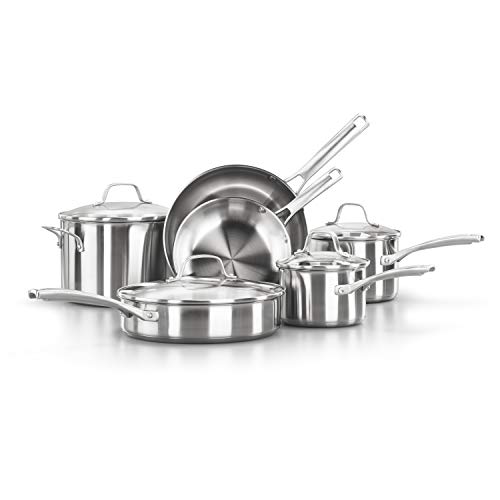
Calphalon Classic Stainless Steel Cookware Set, 10-Piece, Impact-Bonded Aluminum Base,
View on Amazon- TAR Score8.8
TAR Score is a ranking system developed by TopAppliancesReviews.com. TAR score has no relationship or impact from any manufacturers or sales agent websites. Learn more
- BrandCalphalon
- TAR Score8.8
TAR Score is a ranking system developed by TopAppliancesReviews.com. TAR score has no relationship or impact from any manufacturers or sales agent websites. Learn more
- BrandT-Fal

- TAR Score8.6
TAR Score is a ranking system developed by TopAppliancesReviews.com. TAR score has no relationship or impact from any manufacturers or sales agent websites. Learn more
- BrandCuisinart

- TAR Score8.6
TAR Score is a ranking system developed by TopAppliancesReviews.com. TAR score has no relationship or impact from any manufacturers or sales agent websites. Learn more
- BrandAmazon Basics

- TAR Score8.4
TAR Score is a ranking system developed by TopAppliancesReviews.com. TAR score has no relationship or impact from any manufacturers or sales agent websites. Learn more
- BrandUmite Chef
Last update on 2026-08-15 / Affiliate links / Images, Product Titles, and Product Highlights from Amazon Product Advertising API
Cuisinart MultiClad Pro 12-Piece Cookware Set
A crowded stovetop quickly exposes weak cookware. Thin pans scorch garlic, tall pots heat unevenly, and loose lids let steam escape just when a slow simmer needs stability. The Cuisinart MultiClad Pro set approaches those daily frustrations with triple-ply construction, practical vessel sizes, and stainless steel surfaces built for browning rather than shortcut cooking. It asks for better heat control than coated cookware, but the payoff is a set that can sear, simmer, steam, and move into a hot oven without changing tools.
Cuisinart MultiClad Pro 12-Piece Set
The collection covers most routine cooking without padding the piece count with plastic utensils or tiny filler pans. It includes 1.5-quart and 3-quart saucepans, 8-inch and 10-inch skillets, a 3.5-quart sauté pan with a helper handle, an 8-quart stockpot, and a 20-centimeter steamer insert. Matching lids complete the twelve-piece count, so the number on the box reflects actual cookware rather than a handful of accessories. That lineup makes sense for pasta, pan sauces, steamed vegetables, soups, grains, and weeknight skillet meals.
The smaller saucepan suits butter, oatmeal, reheated soup, and sauces that don’t need a broad surface. The larger saucepan handles rice or several portions of vegetables without feeling comically oversized. Meanwhile, the 3.5-quart sauté pan offers enough room for chicken pieces, shallow braises, or one-pan pasta, and its helper handle makes a noticeable difference once the pan is full. The 8-quart stockpot takes over for larger batches, though it will claim a fair chunk of cabinet space.
The two open skillets provide useful flexibility rather than simple duplication. An 8-inch skillet is manageable for a couple of eggs or a small serving, while the 10-inch version gives meat and vegetables more breathing room. Stainless steel needs space to brown properly, so that extra diameter isn’t wasted. Still, neither skillet replaces an oversized 12-inch pan for cooking several portions at once, which may leave bigger households wanting one additional piece.
The steamer insert is more practical than it first appears. It fits into the set without requiring a separate appliance, and it can handle vegetables, dumplings, or gentle reheating above simmering water. On the other hand, steaming won’t be part of every cooking routine, so this piece may spend more time stored than used. That’s a fair tradeoff, but it’s worth considering before giving up a shelf to the full collection.
Triple-Ply Heat Control
The cookware uses 18/10 stainless steel around a pure aluminum core. Stainless steel provides the durable cooking surface, while aluminum spreads heat faster and more evenly than steel could manage by itself. The layered construction extends across the bottom and sidewalls rather than staying confined to a thick disc underneath. Cuisinart calls this Heat Surround technology, but the practical point is simpler: heat can travel beyond the center of the burner.
Sidewall conductivity matters during sauces, soups, and shallow braises. A basic disc-bottom pot may heat strongly underneath while the upper sides stay cooler, producing a noticeable temperature boundary around the base. Fully clad construction softens that divide and helps ingredients cook more consistently around the vessel. It won’t make stirring unnecessary, of course, but it reduces the patchy heating that turns creamy sauces into a nerve-racking chore.
The aluminum core also helps the pans react faster than thick stainless steel alone. Lowering the burner produces a more useful response, though not the instant cooling associated with very thin cookware. That balance works well for browning because the pan keeps enough energy to recover after cold food hits the surface. Still, medium heat is usually plenty, and repeatedly blasting these pans on high can cause discoloration, sticking, or scorched oil.
Calling this cookware “heavy bottom” needs a little nuance. Its strength comes from fully clad tri-ply construction, not an oversized slab attached only to the base. The pans feel substantial and stable, yet they distribute conductive material throughout the body. That design is generally more useful for all-around cooking, though anyone expecting the extreme mass of cast iron or thick copper will notice that this set behaves differently.
Stainless Steel Cooking Experience
The polished interior doesn’t react with acidic ingredients or alter food flavors. Tomato sauce, citrus reductions, and vinegar-based dishes can cook without the metallic concerns associated with some reactive materials. The surface also tolerates metal whisks and spatulas better than fragile nonstick coatings. Even so, stainless steel isn’t naturally nonstick, and that distinction shapes the entire cooking experience.
Preheating makes the difference between a clean release and a stubborn mess. A cold piece of meat placed in a cold stainless pan tends to cling and release moisture before it browns. A properly warmed skillet with a measured amount of oil lets the protein develop a crust, then loosen more naturally as it cooks. Rushing that process is where many first attempts go sideways.
Delicate foods remain the weak spot. Scrambled eggs, skinless fish, and soft pancakes demand careful temperature control and enough fat, and even then they can stick more than they would on coated cookware. From a practical angle, nonstick cookware without Teflon addresses that separate need for low-stick cooking surfaces, while this stainless set is better suited to searing, deglazing, and building browned flavor. Keeping one specialized skillet alongside the Cuisinart set may be more sensible than expecting one surface to handle every task equally well.
Stainless steel shines during pan-sauce work. Browned bits left after searing can be loosened with broth, wine, or water, turning residue into concentrated flavor rather than waste. That fond is difficult to develop on many slick coatings because food releases before deep browning occurs. For cooks who enjoy sauces and crisp edges, this mirror-finished interior offers a useful advantage, provided the heat stays under control.
Handles, Lids, And Pouring
The Cool Grip handles are made from solid stainless steel and secured with rivets. Their raised shape creates distance from the hot pan body, so they tend to remain cooler during ordinary stovetop cooking. “Cool” shouldn’t be read as a promise that they can never heat up, especially near gas flames or after time in the oven. A towel or mitt still belongs nearby, no two ways about it.
Riveted handles provide strength, but the interior rivet heads interrupt the otherwise smooth cooking surface. Food residue can collect around those small edges, and wiping them clean takes a little more attention than cleaning a welded interior. That’s a minor nuisance rather than a serious flaw. The tradeoff is a sturdy connection that feels secure when lifting a full saucepan or tilting the sauté pan.
The sauté pan’s helper handle earns its keep once the vessel holds several pounds of food and liquid. Carrying a loaded pan with two hands feels safer and less awkward, especially when moving it into the oven. The stockpot also benefits from side handles suited to controlled lifting. Weight builds quickly with stainless steel, water, and ingredients combined, so handle placement matters more than showroom shine.
Tight-fitting stainless steel lids help retain steam and moisture. They’re durable, oven-capable, and free from the glass breakage concerns that come with transparent lids. The downside is obvious: progress can’t be checked without lifting the lid and releasing some heat. The tapered rims partly make up for that inconvenience by guiding liquids more cleanly during pouring, though very thick sauces may still dribble if poured too slowly.
Oven And Cooktop Flexibility
The set is rated oven-safe to 500°F, opening the door to stovetop-to-oven cooking. A steak can be seared and finished under steady oven heat, while the sauté pan can handle braises without transferring ingredients to another dish. Stainless lids can go along for the ride at the stated temperature. That flexibility cuts down on extra cookware and keeps browned flavor in the same vessel.
Induction compatibility adds another practical benefit. The magnetic stainless exterior works across induction, gas, and electric cooktops, so the set won’t become obsolete after a kitchen upgrade. Flat bases also sit securely on smooth glass surfaces. Gas burners demand a little more attention because flames extending beyond the base can heat the handles and discolor the brushed exterior.
Broiler use deserves sensible caution despite the high oven rating. Intense direct heat can discolor stainless steel and turn exposed oil residue into stubborn brown patches. The cookware can tolerate serious heat, but that doesn’t mean every recipe benefits from maximum temperature. Controlled heat protects the finish, reduces warping risk, and usually produces better food anyway.
The polished interior and brushed exterior create a useful visual split. The inside makes residue easier to spot during cleaning, while the outside hides light scuffs better than a fully mirrored finish. Heat tint and rainbow marks may still show up after cooking. Those marks are cosmetic, not evidence that the pan has failed, and a stainless steel cleaner can usually tone them down.
Cleaning And Daily Maintenance
The entire set is listed as dishwasher-safe, which sounds convenient after a long meal. Machine washing can remove routine grease, but harsh detergent and repeated high-heat cycles may dull the finish over time. Hand washing takes longer, yet it often keeps the cookware looking cleaner and reduces mineral spotting. Neither method eliminates the need for occasional targeted scrubbing.
Stuck food responds best to soaking rather than brute force. Warm water can soften cooked-on residue, while a gentle stainless cleaner handles brown stains and cloudy patches without gouging the surface. Steel wool and aggressive abrasives may leave permanent scratches, so they’re rarely worth the gamble. Scratches generally affect appearance more than function, but a badly scuffed interior loses some of its polished feel.
Salt requires a small habit change. Dropping salt into cold water can sometimes leave tiny pits on stainless steel, so it’s better to wait until the water is hot and stir promptly. Empty pans also shouldn’t sit over high heat for long periods. These aren’t fussy rules once they become routine, though they do make stainless steel less forgiving than basic coated cookware.
The polished cooking surface doesn’t absorb food odors and won’t flake off after repeated use. That supports long-term ownership, especially for recipes involving acidity, strong spices, or frequent deglazing. Rivets and lid edges are the main cleaning pinch points. A narrow brush or careful sponge work keeps those areas from collecting an unsightly ring of residue.
Pros And Practical Strengths
Even heat distribution is the clearest strength. The aluminum core running through the base and sidewalls reduces the concentrated hot zones common in cheaper stainless cookware. Sauces need less frantic stirring, and seared food browns across a broader section of the pan. Heat control still matters, but the cookware gives mistakes less room to snowball.
Useful piece selection is another plus. The set covers small sauces, daily skillet work, steaming, sautéing, and large-batch boiling without relying on novelty shapes. Most pieces have a clear job, and the sizes overlap just enough to handle different portions. The absence of a 12-inch skillet is noticeable, but the core collection is sensibly organized.
Oven and induction compatibility make the set easier to keep through appliance changes and evolving cooking habits. Moving a pan from burner to oven feels natural because there are no plastic handle covers or low-temperature glass lids to manage. The 500°F rating supports high-heat finishing without requiring a separate baking dish. Riveted stainless handles add confidence during those heavier transfers.
Durability may be the strongest long-range argument. There’s no synthetic cooking layer to peel, and stainless steel tolerates acidic foods, firm utensils, and deep cleaning. The limited lifetime warranty reinforces the expectation that this isn’t disposable cookware. Surface marks will accumulate, but scratches and discoloration rarely stop the pans from doing their job.
Cons And Real Tradeoffs
Food sticking is the first drawback new stainless steel cooks will notice. Eggs and delicate proteins can leave a stubborn layer behind if the pan isn’t preheated correctly. More oil may be needed than with a coated skillet, and cleanup becomes harder after a temperature mistake. Technique improves the results, but there’s a learning curve that marketing photos tend to gloss over.
Weight also deserves a frank mention. Fully clad cookware feels solid, yet the stockpot and sauté pan become cumbersome once filled. Smaller hands or limited wrist strength may struggle with one-handed pouring, even with the tapered rims. Helper handles reduce the strain, but they don’t make a full pot light.
Stainless lids trade visibility for toughness. They seal well and tolerate oven heat, but checking food means lifting the lid and losing steam. Condensation can also run down the rim if the lid is tilted carelessly. Anyone accustomed to glass may miss seeing a simmer without interrupting it.
Cosmetic upkeep can become irritating for people who expect cookware to stay showroom-bright. Rainbow tint, fingerprints, water spots, and cooked-on oil stand out against stainless steel. Dishwasher cleaning won’t always remove them, so occasional polishing becomes part of ownership. The pans remain functional despite those marks, but maintaining the silver finish takes more work than simply rinsing a dark coated pan.
Duxtop Professional 19-Piece Stainless Steel Cookware
Cabinet space disappears fast once a cookware set starts counting utensils, baskets, and lids as separate pieces. That doesn’t automatically make a large bundle wasteful, though, especially when the core pots cover everyday sauces, family-size soups, steaming, frying, and deep sautéing. The Duxtop Professional 19-Piece Set enters the best heavy bottom stainless steel cookware conversation with an impact-bonded aluminum base, 18/10 stainless steel bodies, and broad cooktop compatibility. Its strengths lean toward practical range and sturdy construction, while its weaker points include added weight, glass-lid temperature limits, and several accessories that won’t earn equal use in every kitchen.
Duxtop Professional 19-Piece Set
The cookware lineup starts with 1.4-quart and 2.4-quart saucepans, a 4-quart casserole, a 7.6-quart stockpot, and a roomy 5.28-quart sauté pan. Each of those vessels includes a lid, which matters more than a flashy utensil count because covered cooking supports rice, sauces, braises, and slower simmering. Two open fry pans, measuring 8 inches and 9.5 inches, handle smaller stovetop jobs without forcing the stockpot into service. The sizes overlap sensibly, though the absence of a larger 11-inch or 12-inch skillet may feel limiting during batch cooking.
The set also includes a 9.5-inch boiler basket and a matching steam basket. Those inserts give the larger pot extra jobs, from draining pasta to steaming vegetables or dumplings above simmering water. They’re practical pieces rather than decorative extras, but they still need storage, and that’s where a nineteen-piece package can start crowding a modest cabinet. Anyone who rarely steams food may use the baskets only occasionally, so the value depends heavily on actual cooking habits.
A two-prong fork, solid spoon, ladle, slotted turner, and skimmer round out the package. These tools inflate the piece count, yet they can still help a kitchen starting from scratch avoid another immediate purchase. Their presence matters less to an established cookware collection where favorite utensils are already in the drawer. The real value remains concentrated in the pots, pans, lids, and baskets rather than in every single item carrying equal weight.
Heavy Base And Heating Behavior
The cookware uses a heavy-gauge aluminum encapsulated bottom joined through impact-bonded technology. Aluminum conducts heat faster than stainless steel, so placing it across the base helps reduce the stubborn hot center common in inexpensive steel pans. The bonded structure also creates a flatter, more stable contact area on smooth electric and induction surfaces. Heat still rises mainly from the bottom, however, because this is not fully clad cookware with aluminum running through the sidewalls.
That construction difference shapes how the pans behave. Sauces, grains, and soups receive steady heat from below, while the stainless sidewalls respond more slowly than the encapsulated base. Stirring remains important during thick sauces because ingredients near the lower corners can cook faster than food higher on the sides. Even so, the impact-bonded bottom offers a useful middle ground between flimsy single-layer cookware and more expensive fully clad designs.
Preheating shouldn’t become a race. The aluminum core moves heat efficiently, and an empty pan left over a high burner can become hotter than expected before oil or food goes in. Medium heat generally provides enough energy for sautéing, browning, and simmering without turning oil into smoke. The cookware’s energy-efficient heating claim makes practical sense at the base, but careful burner control still determines whether food browns evenly or sticks in a stubborn ring.
The heavy bottom adds stability during stirring and reduces the light, hollow feel that cheaper stainless sets sometimes have. A saucepan is less likely to skate across a smooth cooktop while whisking gravy or custard. The tradeoff is predictable: extra weight becomes more noticeable once the sauté pan or stockpot is filled. That heft feels reassuring on the burner but less charming while carrying a full pot to the sink.
Cooking Surface And Food Release
The cooking bodies are made from food-grade 18/10 stainless steel, a material valued for durability and resistance to reaction with acidic ingredients. Tomato sauce, citrus, vinegar, and wine can simmer without taking on unwanted metallic flavors from the surface. Stainless steel also tolerates metal utensils better than delicate coated pans, although repeated scraping can leave visible marks. Those scratches usually affect appearance more than cooking function.
Food release depends on technique rather than a slick coating. Meat placed into a properly warmed pan with enough oil often sticks at first, then loosens as a browned crust develops. That temporary grip creates fond, the caramelized residue that gives pan sauces depth after deglazing. The browning potential is a genuine strength, but rushed preheating or excessive burner heat can turn that same surface into a cleanup chore.
Eggs, pancakes, and delicate fish expose the set’s clearest weakness. Stainless steel can handle them, yet the margin for error is narrower than it is with a purpose-built low-stick surface. From a practical angle, stainless steel cookware designed for dishwasher-safe routines offers related guidance on cleaning expectations and maintenance tradeoffs within this cookware category. Duxtop’s pans remain better suited to searing, sautéing, boiling, and sauce work than to effortless low-fat egg cooking.
The straight-sided design of the saucepans and sauté pan increases usable volume and keeps liquid from creeping over shallow, sloped walls. That shape works nicely for braising, reducing sauces, and cooking grains that need a steady liquid level. It also creates sharper interior corners where residue can collect, especially after cheese sauces or starch-heavy dishes. A silicone spatula or rounded spoon helps reach those areas without scraping aggressively.
Handles, Lids, And Pouring Control
Stainless steel rivets secure the handles directly to the cookware bodies. Riveting provides a sturdy mechanical connection, which matters once a pot carries several quarts of water or a sauté pan holds a full meal. The shaped handles aim to provide a confident grip, and their length keeps hands farther from the hot vessel. Still, stainless steel handles can warm during long cooking sessions, especially on gas burners where flames curl beyond the base.
Interior rivet heads create a small cleaning inconvenience. Bits of sauce, oil, or cooked starch can settle around their edges, and a quick wipe may not remove everything. That detail won’t ruin the set, but it does mean the pans lack the uninterrupted interior found in welded-handle cookware. The trade favors long-term handle security over the easiest possible cleanup.
The tempered glass lids let cooking progress remain visible without releasing steam every few minutes. That visibility helps with rice, pasta, and simmering sauces where lifting the lid can interrupt temperature and moisture balance. Glass also brings more weight and a lower oven limit than the stainless steel pots themselves. The cookware is rated to 550°F, while the glass lids are limited to 400°F, so the lid becomes the controlling factor during hotter oven use.
Drip-free pouring rims sound like a minor detail until hot broth runs down the outside of a pot. The straight-sided vessels include shaped edges intended to guide liquids away from the wall during pouring. Thin liquids should leave more cleanly, though thick sauces can still cling if the pot is tilted too slowly. The pouring design improves control, but a heavy, full stockpot will still require two steady hands.
Cooktop, Oven, And Storage Flexibility
The bonded base works with induction, gas, electric, and halogen cooktops. That broad compatibility makes the set easier to keep through appliance changes, rental moves, or a future kitchen remodel. Induction users benefit from the flat magnetic base, while gas users get sturdy cookware that won’t mind direct flame contact. Oversized flames should still stay beneath the base to limit handle heat and exterior discoloration.
Oven safety up to 550°F gives the uncovered pots and pans considerable flexibility. A skillet can move from burner to oven for thicker cuts of meat, and the sauté pan can carry a braise without transferring ingredients into a separate baking dish. The 400°F glass-lid ceiling requires attention, though, because recipes using higher heat need the lid removed. That two-temperature setup is manageable, but it’s easy to overlook during a rushed dinner.
Freezer-safe construction adds another use, especially for storing soup, stock, or make-ahead sauces after cooling. Stainless steel won’t absorb odors or stain as readily as some plastic containers. The downside is bulk, since a stockpot occupies far more freezer space than a stackable storage container. Rapid temperature changes also deserve common sense, so a frozen pot shouldn’t move directly onto a hot burner.
The nineteen-piece bundle demands deliberate storage. Pots can nest to some degree, but glass lids, baskets, and long-handled tools quickly create clutter if every shelf is already spoken for. A lid rack or deep drawer helps keep the set from becoming a metallic avalanche. The space requirement is not a manufacturing flaw, yet it’s a real ownership cost that product listings rarely emphasize.
Cleaning Strengths And Maintenance Limits
The cookware is listed as dishwasher-safe, making routine cleanup less intimidating after large meals. Stainless steel handles, bodies, and bonded bases tolerate machine washing better than cookware with wood, soft-touch coatings, or fragile exterior finishes. Harsh detergent may still dull the shine or leave water spots, especially in hard-water areas. Dishwasher compatibility means convenience, not a guarantee that every pan emerges spotless.
Brown residue and rainbow heat tint can develop without indicating damage. A mild stainless steel cleaner often removes those marks, while warm soaking loosens cooked-on food before scrubbing begins. Abrasive pads may scratch the polished surface, so patience usually beats brute force. The stain-resistant material handles serious cooking well, but keeping a showroom appearance requires occasional polishing.
Salt can cause small pits if crystals sit against cool stainless steel before dissolving. Adding salt after water begins heating and stirring it promptly reduces that risk. Empty pans also shouldn’t remain over strong heat because the aluminum base can transfer energy quickly into the steel surface. These habits aren’t complicated, although they create a learning curve for anyone moving from forgiving nonstick cookware.
The limited lifetime warranty supports the set’s long-use positioning, but warranty language never replaces proper care. Warping from overheating, accidental damage, and cosmetic staining may not receive the same treatment as a manufacturing defect. The durable construction is built around metal thickness, bonded layers, and riveted handles rather than a surface coating that eventually wears away. That foundation favors years of regular cooking, provided the cookware isn’t treated like indestructible restaurant equipment.
Pros And Standout Strengths
Broad cooking coverage sits near the top of the advantages. The set handles small sauces, boiling, steaming, sautéing, stock making, and skillet cooking without obvious gaps among the core vessels. A 7.6-quart stockpot and 5.28-quart sauté pan support larger meals, while the smaller saucepans avoid wasting space and energy on modest portions. The two baskets add useful functions for pasta and vegetables without requiring separate appliances.
Fast base heating is another practical strength. Impact-bonded aluminum spreads heat more effectively than a plain stainless bottom and supports stable contact across multiple cooktop types. That helps shorten the sluggish warm-up associated with thick steel cookware. The design doesn’t provide full sidewall conduction, but it delivers dependable heat where most stovetop energy enters the pan.
High oven tolerance gives the metal cookware an edge over sets limited by plastic grips or low-temperature coatings. Searing and oven finishing can happen in the same vessel, reducing cleanup and preserving browned flavor. Induction compatibility also protects the purchase against future appliance changes. The glass lids require a lower temperature, yet the uncovered cookware remains capable at demanding oven settings.
Durable stainless interiors support acidic recipes, deglazing, and frequent utensil contact without a synthetic layer peeling away. Food flavor stays neutral, and the pans can develop the browned fond that coated surfaces often struggle to create. Dishwasher compatibility lowers the maintenance barrier after messy meals. Cosmetic stains remain possible, but they rarely interfere with performance.
Cons And Everyday Compromises
The piece count can mislead anyone expecting nineteen major pots and pans. Several pieces are utensils, baskets, and lids, so the actual cooking-vessel total is much smaller than the headline number suggests. Those accessories may still prove useful, but they don’t carry the same value as another full skillet or saucepan. A crowded cabinet makes that distinction even more important.
The cookware gets heavy once food and liquid enter the picture. The stockpot, casserole, and sauté pan may feel manageable while empty, then become awkward during draining or transport. Riveted handles provide security, but they can’t remove the physical strain of lifting several quarts. Limited wrist strength or shallow sink space can make cleanup less pleasant than expected.
Glass lids limit maximum oven use to 400°F even though the uncovered cookware reaches 550°F. That difference adds a small mental checkpoint during recipes that move from stovetop to a hot oven. Glass also introduces breakage risk and adds weight compared with stainless steel lids. Visibility is convenient, but the tradeoff isn’t entirely one-sided.
Sticking and cosmetic marks require realistic expectations. Eggs may cling, proteins need proper preheating, and heat tint can appear after ordinary cooking. Dishwasher cycles won’t always remove browned oil or mineral residue, so manual cleaning still enters the routine. The set rewards solid technique and regular care, but it won’t behave like nonstick cookware or stay mirror-bright without effort.
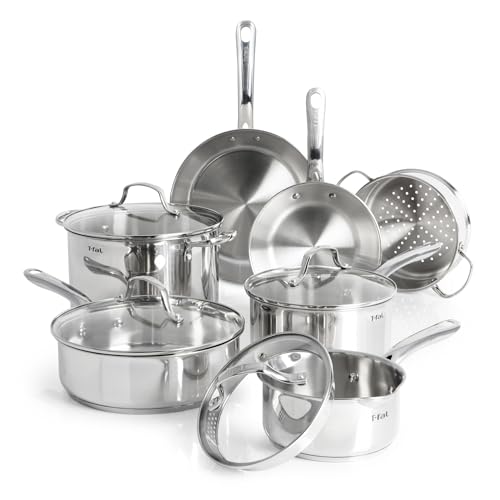
3-Ply Stainless Steel 11-Piece Cookware Set
Uneven browning, scorched sauce, and drips running down the side of a pot can turn routine cooking into needless cleanup. This 3-ply stainless steel cookware set answers those everyday annoyances with a thick aluminum core, practical pouring details, and enough vessel sizes to cover most stovetop jobs. Its construction fits the best heavy bottom stainless steel cookware category more convincingly than thin, decorative sets that feel substantial only in product photos. Still, stainless steel demands sound heat control, and the glass lids introduce a few tradeoffs that deserve a closer look.
3-Ply Stainless Steel 11-Piece Set
The set includes 1.5-quart and 2.2-quart saucepans, a 3-quart sauté pan with a lid, 9.5-inch and 10-inch skillets, a 6-quart stockpot, and a steamer insert. Tempered glass lids with broad rims fit the covered pieces, bringing the total to eleven components without relying on a pile of cooking utensils to inflate the count. That selection covers oatmeal, sauces, rice, vegetables, skillet meals, soup, pasta, and steaming. The sizing feels geared toward daily home cooking rather than oversized batch preparation.
The two saucepans provide enough separation to avoid constant washing between tasks. The smaller pot suits melted butter, gravy, or a modest portion of grains, while the 2.2-quart size offers more breathing room for vegetables and reheated soup. A 3-quart sauté pan handles shallow braises and one-pan meals without becoming cumbersome. The 6-quart stockpot is practical for pasta and soup, though households that regularly cook very large batches may miss an 8-quart vessel.
Two skillets only half an inch apart may look redundant at first glance. In practice, the 9.5-inch and 10-inch frying pans let two stovetop jobs run at once, such as browning meat in one and softening vegetables in the other. Their modest diameters also fit compact burners and smaller sinks. The narrow size gap remains a fair criticism, since a 12-inch skillet would create a more meaningful difference for larger meals.
The steamer insert adds a useful layer to the stockpot without demanding a separate countertop appliance. Vegetables, dumplings, and delicate foods can cook above simmering water while retaining more texture than they might after boiling. That said, the insert needs cabinet room and may sit untouched in kitchens where steaming isn’t common. The piece selection is sensible overall, but every component won’t carry equal value for every cooking routine.
Three-Layer Construction And Heat Control
The cookware combines a 304 stainless steel interior, thick aluminum core, and 430 stainless steel exterior. Each layer serves a distinct purpose rather than merely adding thickness. The interior provides a nonreactive food-contact surface, aluminum distributes burner heat, and the magnetic exterior supports induction cooking. That arrangement gives the pans a stronger thermal foundation than single-layer stainless steel, which tends to develop concentrated hot zones.
The aluminum layer matters most during low-and-slow jobs. Cream sauce, oatmeal, and rice can scorch at the center of a thin pot before the surrounding food reaches the same temperature. A thick conductive core spreads heat across a broader area, reducing the sharp contrast between the burner zone and the rest of the base. Stirring still matters, but the pan gives the cook more time to react before a small mistake becomes burnt residue.
Heat response sits somewhere between lightweight aluminum and very heavy cast iron. The pans should warm more evenly than plain stainless steel while remaining responsive enough for ordinary burner adjustments. Cold food will still pull temperature from the surface, especially if the pan is crowded. Leaving space between pieces of meat helps the cooking surface recover and encourages browning instead of steaming.
Three-ply cookware doesn’t excuse high-heat habits. Stainless steel often performs best around low to medium settings because the aluminum core moves energy efficiently through the pan. An empty skillet left over a roaring burner can overheat quickly, discolor, or burn oil on contact. The heavy-bottom feel improves stability and consistency, but disciplined heat control remains part of the deal.
Food Release And Everyday Technique
The 304 stainless interior tolerates acidic ingredients such as tomatoes, vinegar, and citrus without altering their flavor. It also handles metal whisks and sturdy turners better than delicate coated cookware. That durability supports searing, deglazing, and scraping up browned fond for sauces. The main strength is culinary flexibility, not effortless food release.
Protein can cling firmly if it enters the pan before the surface is ready. A short preheat, followed by oil and then food, gives meat a better chance to form a crust and release naturally. Moving it too soon usually tears the browned layer and leaves part of dinner stuck behind. Once that rhythm clicks, stainless steel browning becomes far less mysterious.
Eggs, pancakes, and delicate fish expose the set’s weakness more clearly. Those foods need careful temperature control and enough fat, and even then they won’t slide around like they would on a coated pan. Low-oil cooking can be particularly frustrating for someone expecting nonstick behavior. A separate specialty skillet may still make sense for fragile foods, while this set takes care of searing, simmering, and sauce work.
Mirror-finished steel can show cooking residue plainly, which is useful during deglazing but less flattering after an overheated meal. Brown patches, rainbow tint, and cloudy mineral marks don’t necessarily signal damage. They’re common side effects of heat, oil, and hard water. The practical difference is that stainless steel can usually be restored with soaking and an appropriate cleaner rather than replaced after its surface wears out.
Lids, Handles, And Pouring Details
The tempered glass lids use wide stainless rims that help them sit securely over the pots and sauté pan. Glass provides a clear view of simmering food, so checking rice or vegetables doesn’t require releasing steam every few minutes. Condensation may blur that view during vigorous boiling, but visibility remains better than with opaque steel. The extra weight and potential for breakage are the natural tradeoffs.
Riveted handles provide a firm mechanical connection to each vessel. That matters once the stockpot carries several quarts of water or the sauté pan is full of a heavy braise. The handles are described as staying cool during use, although stainless steel grips can still warm near gas flames or during extended cooking. A potholder remains sensible after oven use and around any handle exposed to direct heat.
Rivets also create small interior ledges where starch, sauce, and oil can collect. A quick rinse may leave a ring of residue around them, particularly after thick foods. That minor cleaning nuisance is the price paid for a sturdy attachment. The secure handle design favors durability over a perfectly smooth inner wall.
Molded pour spouts and built-in draining holes address two annoyances that plain cookware often ignores. Broth and sauce can leave the pot in a more controlled stream, while pasta water can drain without balancing a separate colander against a hot rim. Lid alignment still requires care so food doesn’t slip through unexpectedly. Even so, the draining system adds practical value during busy weeknight cooking.
Cooktop And Appliance Compatibility
The 430 stainless exterior makes the cookware compatible with induction, gas, electric, and ceramic glass stovetops. That broad range protects the set from becoming useless after an appliance change or move. A flat magnetic base is particularly important on induction, where uneven contact can create noise and slower heating. The layered bottom also gives the pans a stable stance on smooth glass surfaces.
Gas burners offer responsive control, but flame size deserves attention. Flames curling around the base can heat the sidewalls and handles unnecessarily while leaving discoloration on the mirror finish. Matching the burner diameter to the pan improves efficiency and comfort. The best heating results usually come from keeping the flame beneath the cookware rather than letting it lick around the edges.
The product description identifies the set as oven-safe, though no specific maximum temperature is provided in the supplied details. That omission matters because tempered glass lids often carry a lower heat limit than the metal cookware underneath. Oven use should follow the manufacturer’s stated limits on the packaging or care instructions. The unknown temperature ceiling is a detail worth treating cautiously rather than guessing.
Separately, electronic air cleaners for furnace systems concern indoor air equipment rather than cookware performance. That subject has no direct bearing on heating consistency, food safety, or stainless steel maintenance. Keeping the distinction clear avoids pretending that unrelated household products solve the same problem. The cookware assessment therefore rests on its stated materials, dimensions, features, and compatibility.
Cleaning And Long-Term Care
Dishwasher compatibility reduces the burden after a large meal, especially with several saucepans and lids in use. The mirror-finish exterior may still develop water spots or lose some shine after repeated machine cycles. Harsh detergents can also leave a dull appearance even while the metal remains structurally sound. Hand washing takes more effort but often preserves the polished look better.
Cooked-on residue responds well to patience. Warm soaking loosens starch and protein, while a nonabrasive stainless cleaner can lift brown heat marks and rainbow discoloration. Steel wool may remove stubborn grime, but it can also leave scratches that become obvious on a reflective surface. The easy-clean claim is reasonable for durable metal, though it shouldn’t be mistaken for wipe-clean nonstick convenience.
Salt deserves a small change in routine. Undissolved crystals resting against stainless steel can contribute to tiny pits, so adding salt after the water warms and stirring it promptly is safer. Empty pans also shouldn’t sit over strong heat for long stretches. These maintenance habits aren’t difficult, but ignoring them can leave permanent cosmetic marks.
Dishwasher-safe construction, nonreactive steel, and riveted handles all support long service. The cookware has no synthetic layer that must remain flawless to function. Scratches will accumulate, particularly from stacking and metal utensils, yet those marks usually don’t prevent the pans from browning or simmering properly. The long-term value lies in continued usefulness rather than a permanently spotless finish.
Pros And Notable Strengths
Three-ply construction gives the set its strongest advantage. The aluminum core improves heat distribution, while the two stainless layers provide a durable interior and broad cooktop compatibility. That combination handles sauces, searing, boiling, and steaming without relying on a fragile coating. The design also feels more substantial on the burner than thin stamped cookware.
Practical pouring features make everyday tasks less clumsy. Spouts guide broth and sauces, while draining holes simplify pasta and vegetable preparation. Those details reduce the need to hold a heavy lid slightly open over a sink. Small conveniences matter most when the pot is hot, full, and awkward to control.
Useful vessel sizes cover a wide range of routine meals. Two saucepans, two skillets, a sauté pan, a stockpot, and a steamer insert provide more flexibility than a bare-bones starter set. The tempered lids also let simmering progress remain visible. This arrangement suits varied cooking without filling the package with excessive novelty pieces.
All-stovetop compatibility adds security for changing kitchens. Induction, gas, electric coils, and ceramic glass are all covered by the magnetic exterior. Dishwasher cleaning further reduces day-to-day fuss. The set’s practical strengths center on broad usability rather than flashy extras.
Cons And Realistic Tradeoffs
The skillet sizing is the first questionable choice. A 9.5-inch and 10-inch pan perform nearly the same role, so the difference won’t feel dramatic during meal preparation. A wider skillet would provide more room for browning several portions without crowding. The current pair works, but it isn’t the most varied combination.
Glass lids offer visibility while adding weight and another breakable component. Their wide rims may collect water and food residue around the edges after simmering. They may also have a lower oven limit than the metal pans, although the supplied description doesn’t state a temperature. That missing specification reduces confidence during high-heat oven use.
Stainless steel sticking remains a genuine learning curve. Eggs and delicate fish can cling, and overheated oil creates a stubborn film that dishwasher cycles may not remove. Better technique solves much of the problem, but not all of it. Anyone seeking effortless low-fat cooking may still need a separate coated pan.
Storage and appearance create the final compromises. Eleven pieces, including lids and a steamer, require organized cabinet space, while the mirror finish shows fingerprints, water marks, and scratches readily. The cookware can remain fully functional despite those blemishes. Still, keeping it polished takes more attention than tossing a dark, matte pan into a drawer.
Cuisinart Chef's Classic 7-Piece Cookware Set
A small cookware collection can be more useful than a crowded cabinet full of duplicate pans. The Cuisinart Chef's Classic 7-Piece Set focuses on four core vessels, pairing them with an aluminum-encapsulated base and a stainless steel cooking surface that handles everyday simmering, boiling, searing, and sauce work. That practical structure places it within the best heavy bottom stainless steel cookware conversation, especially where predictable heat and manageable storage matter more than a huge piece count. Its compact lineup is appealing, although the limited skillet selection and disc-base construction create a few clear boundaries.
Cuisinart Chef's Classic 7-Piece Set
The package includes a 1.5-quart saucepan, a 3-quart saucepan, an 8-quart stockpot, and a 10-inch skillet. Covers are supplied for both saucepans and the stockpot, bringing the total to seven pieces without counting utensils or inserts. That distinction matters because the advertised number reflects cookware and lids rather than filler accessories. The collection stays focused on common jobs such as reheating soup, cooking grains, making sauces, boiling pasta, and frying modest portions.
The two saucepans create a useful step between small and medium cooking tasks. The 1.5-quart vessel handles butter, oatmeal, gravy, and a couple of servings without swallowing the burner, while the 3-quart saucepan gives vegetables, rice, or larger sauce batches more room. Their covered design supports controlled simmering and moisture retention. Still, the set doesn’t include a sauté pan, so shallow braises and wide one-pan meals may feel cramped in the skillet.
The 8-quart stockpot adds serious capacity to an otherwise compact group. It can handle pasta, stock, soup, or larger batches that would overwhelm the smaller pots. The 10-inch skillet covers basic searing and frying, but it may feel tight when several pieces of meat need space to brown properly. A larger household may eventually want a 12-inch skillet or broad sauté pan alongside this set.
Aluminum Base And Heat Distribution
The cookware uses an aluminum-encapsulated base to improve heat transfer beneath the stainless steel body. Aluminum responds faster than stainless steel, so it helps the pots warm more quickly and spreads burner energy across a wider portion of the bottom. That reduces the sharp hot center often found in thin, single-layer pans. The result should feel steadier during sauces, rice, and other foods that punish uneven heat.
This construction differs from fully clad cookware. The conductive aluminum sits in the base rather than extending throughout the sidewalls, which keeps cost and weight under control. Heat therefore travels most efficiently across the bottom while the stainless steel sides warm more gradually. That disc-base design works well for boiling and simmering, though fully clad pans generally offer more uniform sidewall heating during reductions and braises.
Quick heating doesn’t mean high heat is necessary. An empty pan over a powerful burner can become hotter than expected, and oil may smoke before food reaches the surface. Medium settings often provide enough energy because the aluminum layer moves heat efficiently. The main strength is controlled distribution, but sensible preheating still determines whether ingredients brown evenly or leave behind a scorched ring.
Cooking Surface And Food Behavior
The stainless steel interior doesn’t react with acidic ingredients or alter flavor. Tomato sauce, vinegar, citrus, and wine can cook without the metallic taste that reactive cookware may introduce. The surface also tolerates sturdy utensils and firm stirring without a fragile coating peeling away. That nonreactive cooking surface suits a broad range of recipes, from pan sauces to long-simmered stock.
Stainless steel won’t behave like a coated skillet, though, and that difference deserves plain language. Meat may stick at first, then release once a browned crust forms, provided the pan was preheated and lightly oiled. Moving food too early can tear that crust and leave part of it attached to the steel. The browning capability is valuable, but it comes with a short learning curve.
Eggs, delicate fish, and low-fat cooking expose the surface’s weakest side. Those foods need careful temperature control, and even then cleanup may take more effort than with nonstick cookware. A cook who expects every ingredient to slide freely may find the skillet frustrating. The set is better at searing, simmering, boiling, and deglazing than at effortless release.
Handles, Lids, And Daily Convenience
The cookware includes Cool Grip handles designed to remain more comfortable during stovetop use. Stainless steel construction supports durability, while the handle shape keeps the hand farther from the hot vessel wall. The stockpot also benefits from helper-style side handles that improve control during lifting. Even so, metal handles can warm near gas flames or during long cooking sessions, so a potholder still belongs nearby.
The supplied Flavor Lock lids help retain steam, moisture, and heat during simmering. Stainless steel lids are less fragile than glass and won’t cloud with condensation, but they hide the food underneath. Checking rice or sauce means lifting the cover and releasing some trapped heat. That trade favors durability and oven-friendly construction over constant visibility.
Drip-free rims make pouring broth, sauce, or pasta water less messy. The shaped edge guides liquid away from the exterior rather than letting it crawl down the side of the pot. Measurement markings inside the cookware add another practical touch, reducing the need for a separate measuring cup during simple liquid-based recipes. These small usability details won’t change heat performance, but they make routine cooking less fussy.
Cleaning, Finish, And Upkeep
The cookware is listed as dishwasher-safe, which takes some pressure off after large meals. Stainless steel can handle machine washing better than materials with wood handles or delicate exterior coatings. Harsh detergent may still dull the mirror finish or leave water spots, particularly in areas with hard water. Hand washing takes longer but often keeps the cookware looking brighter.
Brown residue, rainbow tint, and chalky mineral marks can appear after ordinary use. Those blemishes usually affect appearance rather than performance, and a mild stainless steel cleaner can often reduce them. Warm soaking helps loosen cooked-on starch and protein before scrubbing begins. The mirror finish looks polished out of the box, but it also makes fingerprints and discoloration easier to notice.
Salt and overheating require a little care. Undissolved salt crystals can contribute to tiny pits if they sit against cool steel, so adding salt after water warms and stirring promptly is a better habit. Empty pans also shouldn’t remain over strong heat for long stretches. These maintenance limits aren’t difficult, but they matter if the goal is keeping the surface smooth and clean-looking.
Strengths That Matter In Daily Cooking
Compact piece selection is one of the set’s clearest advantages. Every vessel covers a recognizable cooking job, and there’s little overlap beyond the two saucepan sizes. That keeps storage manageable and reduces the chance of paying for novelty pieces that rarely leave the cabinet. The 8-quart stockpot also adds enough capacity for larger meals without requiring a separate purchase right away.
Fast, even base heating supports sauces, grains, boiling, and skillet work with fewer hot spots than thin stainless cookware. The aluminum-encapsulated bottom improves response while the stainless interior preserves flavor neutrality. This balance is especially useful during recipes that move between simmering and stronger heat. The design isn’t fully clad, but it still addresses the most common weakness of plain stainless steel.
Practical features strengthen the set beyond raw material construction. Measurement markings, drip-resistant rims, sturdy lids, and secure handles reduce small annoyances that surface during everyday cooking. Dishwasher compatibility also gives the cookware a lower maintenance barrier after messy recipes. The limited lifetime warranty adds reassurance, although warranty coverage still depends on the manufacturer’s stated terms and proper use.
Weaknesses And Real Tradeoffs
The limited skillet range is the most obvious compromise. A single 10-inch skillet handles routine portions, but it can become crowded when several pieces of meat need room to sear. Crowding traps moisture and encourages steaming instead of browning. The set’s compactness helps storage, yet it also leaves less flexibility for larger stovetop meals.
Disc-base construction is another meaningful limitation. Heat spreads well across the bottom, but the stainless sidewalls don’t receive the same conductive support found in fully clad cookware. Thick sauces and shallow braises may therefore need more stirring near the lower edges. That difference won’t matter equally for every recipe, but it separates this set from more expensive tri-ply collections.
Stainless steel cleanup can still demand elbow grease after overheated oil, burnt starch, or improperly preheated proteins. Dishwasher-safe doesn’t mean every stain disappears during a normal cycle. Glass-smooth nonstick convenience isn’t part of the experience, and delicate foods may remain troublesome. The cookware rewards technique and patience rather than forgiving every rushed decision.
An Unrelated Household Reference
The supplied internal reference concerns a different household category. From a practical angle, washing machines for horse rugs deal with heavy fabric cleaning, drum capacity, and residue management rather than cookware materials or stovetop performance. That topic has no direct connection to heat distribution, food reaction, or stainless steel maintenance. Keeping the separation clear avoids forcing an artificial relationship between unrelated products.
The cookware review therefore rests only on the stated construction, included pieces, usability features, dishwasher compatibility, and warranty information. No unsupported ratings, test results, or owner statistics are needed to judge the core design. The main difference comes down to a compact seven-piece format with an impact-style base rather than a larger fully clad system. That structure favors straightforward daily cooking and simpler storage.
The set also makes its compromises easy to identify. Limited pan variety, visible cosmetic marks, and the learning curve of stainless steel remain part of ownership. At the same time, durable materials, neutral cooking surfaces, and sensible vessel sizes give the collection a clear role in kitchens that value longevity over effortless food release. The final experience depends heavily on burner control, preheating habits, and whether four core vessels are enough for the way meals are prepared.
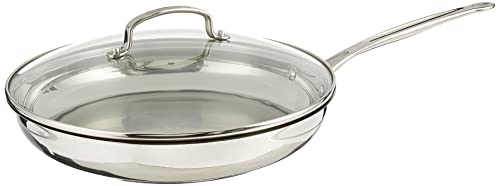
Cuisinart 12-Inch Skillet With Glass Cover
A crowded frying pan can wreck a good sear before dinner even gets moving. Meat releases moisture, vegetables soften instead of browning, and every ingredient starts fighting for the same hot patch in the center. The Cuisinart 12-inch skillet addresses that frustration with a broad cooking surface, an aluminum-encapsulated base, and an induction-ready stainless steel body that fits naturally within the best heavy bottom stainless steel cookware category. Its strengths center on even base heating, nonreactive steel, and useful capacity, though the polished finish and stainless cooking surface demand more care than a coated pan.
Cuisinart Chef's Classic 12-Inch Skillet
The 12-inch diameter gives ingredients more breathing room than a compact everyday skillet. Chicken pieces, sliced vegetables, burgers, or several portions of fish can spread across the surface without being stacked into a damp pile. That extra room supports better browning because moisture has space to evaporate rather than collect around the food. A larger pan does take up more burner and cabinet space, but the added capacity is useful during full meals.
The included glass cover changes the skillet from a basic frying pan into a more flexible stovetop vessel. Covered cooking helps hold moisture during shallow braises, lets vegetables soften after browning, and keeps splatter under better control. The transparent lid also makes it easier to watch a simmer without lifting the cover every few minutes. Condensation can cloud the view, of course, so the lid isn’t a perfect window throughout the entire cooking process.
This skillet belongs to Cuisinart's Chef's Classic line, which leans into a traditional mirror-finished appearance. The reflective surface looks sharp on an open shelf, but it also shows fingerprints, water spots, and heat tint more clearly than a brushed exterior. That classic finish favors visual polish over low-maintenance camouflage. Anyone who treats cookware like a working tool rather than a display piece will probably accept those cosmetic marks without much fuss.
Aluminum Base And Heat Performance
The most important construction detail sits underneath the cooking surface. An aluminum-encapsulated base helps the skillet warm faster and spread heat more evenly than plain stainless steel could manage on its own. Aluminum conducts heat efficiently, while the surrounding stainless steel adds durability and cooktop compatibility. That pairing reduces the concentrated hot center that often causes one piece of food to scorch while another remains pale.
Even base heating matters most with foods that punish uneven temperature. Pancake batter, pan sauces, onions, and thin cuts of meat can reveal weak spots almost immediately. A broader heat pattern gives the cook more room to use the entire pan rather than constantly rotating ingredients around the burner. The main benefit isn’t magical perfection, but a more predictable surface that responds better to ordinary stovetop adjustments.
This design uses an encapsulated bottom rather than fully clad construction running through the sidewalls. Heat therefore spreads most efficiently across the base, while the stainless steel sides warm more gradually. That construction difference won’t matter much during frying or sautéing, though it may become more noticeable during recipes that rely on strong sidewall heat. The skillet still suits searing, shallow simmering, and one-pan meals, but it shouldn’t be mistaken for a fully clad tri-ply pan.
High heat isn’t necessary just because the pan feels substantial. The aluminum layer transfers energy quickly, and an empty skillet can become overly hot before oil or food reaches the surface. Medium heat often provides enough power for browning, especially after a patient preheat. The weakness appears when the burner is pushed too hard, since overheated oil can polymerize into sticky brown patches that take extra cleaning.
Stainless Steel Cooking Surface
The stainless steel interior doesn’t react with acidic foods or alter flavor. Tomato-based sauces, citrus, wine, and vinegar can cook without taking on unwanted metallic notes. That nonreactive surface gives the skillet more range than reactive bare aluminum or cast iron that needs extra care around acidic ingredients. It also avoids the fragile synthetic layer found on coated pans.
Food release depends heavily on technique. Meat may grip the surface at first, then loosen naturally after a browned crust forms. A properly heated pan, a measured amount of oil, and a little patience make a noticeable difference. The browning strength comes from that temporary contact between food and steel, which helps create fond for pan sauces.
Eggs and delicate fish are less forgiving. They can cling if the temperature is even slightly off, and low-fat cooking leaves less room for error. That practical limitation doesn’t make the skillet poorly designed, but it does separate stainless steel from true nonstick cookware. A cook expecting effortless release may need time to adjust habits or keep a coated pan for fragile foods.
The steel surface also tolerates firm utensils better than a delicate coating. Metal turners, whisks, and spoons can be used without worrying about peeling away a synthetic layer. Scratches may still appear and can dull the mirror finish, but they usually don’t stop the skillet from cooking properly. The long-term advantage is continued function even after the pan no longer looks new.
Induction And Cooktop Compatibility
The skillet is listed as induction-ready, which broadens its usefulness across modern kitchens. A magnetic stainless exterior lets it work on induction while remaining suitable for gas and electric cooking. That flexibility matters during appliance changes, rental moves, or kitchen renovations. The pan doesn’t become obsolete just because the heat source changes.
Induction benefits from a flat, stable base because close contact improves energy transfer. The encapsulated bottom supports that requirement while spreading heat across the cooking area. Gas burners bring faster visual control, though flames should remain beneath the base rather than curling around the sides. The best cooktop behavior comes from matching burner size to the skillet's broad diameter.
Electric coil and smooth-top ranges may take longer to respond after a temperature adjustment. The aluminum base helps, but the skillet still retains heat once warmed. That means a sauce can continue cooking after the dial is lowered, so moving the pan off the active burner may sometimes be necessary. The heat-retention tradeoff supports steady searing but requires attention during delicate reductions.
Glass Cover And Moisture Control
The glass cover adds flexibility without hiding the food completely. Steam stays inside during covered cooking, helping vegetables soften and shallow braises retain moisture. The covered-skillet advantage is especially useful when a recipe starts with browning and finishes with a gentler simmer. One pan can handle both stages without transferring ingredients elsewhere.
Visibility makes timing easier during rice-style dishes, simmered sauces, or covered vegetables. A quick glance can reveal whether liquid is boiling too aggressively or ingredients are nearing the desired texture. Condensation eventually limits the view, but the lid still offers more feedback than solid stainless steel. The glass design trades some toughness for convenience.
Glass also adds weight and introduces breakage risk. A hard impact against a sink or counter can damage it, and sudden temperature changes should be avoided. The supplied product details don’t state an oven temperature limit for the lid, so high-heat oven use shouldn’t be assumed. That missing specification is worth treating cautiously rather than filling the gap with guesswork.
Measurement Markings And Daily Use
Measurement markings inside the skillet may sound unusual, but they can help during recipes involving broth, sauce, or reduced liquids. They reduce the need to reach for a separate measuring cup when adding a known quantity directly to the pan. The convenience factor is modest, yet small details like this can smooth out a rushed cooking routine. Clear markings are especially handy during one-pan meals where ingredients enter in stages.
A 12-inch skillet also offers enough surface area for evaporation. Sauces reduce faster in a broad pan than in a narrow saucepan because more liquid is exposed to heat and air. That wide-pan benefit helps concentrate flavor, though it can also dry a sauce faster than expected. Lower heat and occasional stirring keep that process under control.
The broad shape makes tossing food easier, but the larger footprint can feel awkward in a small sink. Washing requires room to turn the pan, and storage may demand a wide cabinet or hanging rack. The size tradeoff is simple: more cooking space on the stove means more storage space off it. Kitchens with limited cabinetry should account for that before adding another large skillet.
Cleaning And Surface Care
Stainless steel cleanup ranges from easy to stubborn depending on heat control. A lightly used skillet may wash clean with warm water and detergent, while burnt oil can leave a brown film that resists an ordinary sponge. Soaking helps loosen residue before scrubbing. The maintenance reality is that stainless steel tolerates deep cleaning, but it doesn’t always wipe clean in seconds.
Rainbow discoloration and cloudy marks can appear after heating or exposure to hard water. Those changes usually affect appearance rather than cooking performance. A mild stainless steel cleaner can reduce them without damaging the metal. The mirror finish weakness is visibility, since every mark stands out more clearly against the reflective surface.
Abrasive pads may remove residue quickly, but they can scratch the polished interior and exterior. Scratches generally don’t ruin the skillet, though they permanently change its appearance. Salt should also dissolve promptly rather than sit against cool steel for long periods. These care habits help preserve the surface without turning maintenance into a full-time job.
Strengths That Stand Out
Generous cooking space is the clearest advantage. The 12-inch surface supports better spacing for meat and vegetables, reducing the crowding that causes steaming. It can handle a larger meal than a standard 8-inch or 10-inch skillet. That capacity gives the pan a useful role during family dinners and batch cooking.
Even base heating adds day-to-day reliability. The aluminum-encapsulated bottom helps distribute burner energy and softens severe hot spots. Sauces, onions, and seared proteins benefit from a broader usable cooking area. The base also supports faster warm-up than thick stainless steel alone.
Nonreactive stainless steel handles acidic ingredients, sturdy utensils, and repeated deglazing without a coating that can peel. The surface supports strong browning and flavorful fond. Induction compatibility further expands where the pan can be used. These features favor durability and cooking range over effortless release.
The glass cover makes the skillet more adaptable than an open pan. Covered simmering, shallow braising, and moisture retention all become possible without changing vessels. Measurement markings add another practical layer during sauce-based dishes. Together, those details help the pan take on more than basic frying.
Weaknesses And Tradeoffs
Sticking remains the biggest adjustment. Eggs, delicate fish, and low-fat recipes can cling unless temperature and oil are carefully managed. Proper technique improves the outcome, but stainless steel won’t mimic a coated cooking surface. That learning curve may frustrate anyone accustomed to effortless food release.
The mirror finish shows fingerprints, water spots, heat tint, and scratches readily. Keeping it polished takes more effort than maintaining a brushed or dark exterior. Cosmetic wear won’t stop the skillet from cooking, but appearance-conscious kitchens may notice every mark. The pan looks refined at first and more workmanlike over time.
The glass lid adds weight and requires careful handling. Its temperature limit isn’t included in the supplied information, so oven use should stay within verified manufacturer guidance. Condensation can also block the view during active cooking. Visibility remains useful, but it isn’t flawless.
The disc-style base spreads heat across the bottom rather than throughout the entire body. That design works well for frying and sautéing, yet it doesn’t provide the same sidewall response as fully clad cookware. The difference becomes more noticeable during long reductions or recipes that rely on heat climbing the sides. The pan offers solid base performance without claiming full tri-ply behavior.
A Separate Household Reference
The supplied internal path points to an unrelated household category. From a neutral reference angle, furnace air purifiers concern airborne particles, HVAC airflow, and indoor air maintenance rather than cookware performance. That topic has no direct bearing on stainless steel composition, induction compatibility, or skillet heating. Keeping the subjects separate avoids inventing a connection that doesn’t exist.
The skillet assessment therefore rests on the details provided: a 12-inch body, glass cover, induction readiness, mirror finish, aluminum-encapsulated base, nonreactive stainless steel surface, and measurement markings. No unsupported ratings, test claims, or review counts are needed to judge those features. The core difference lies in broad capacity and even base heating rather than full-body cladding. Its best role is practical stovetop cooking where durability and browning matter more than nonstick convenience.
The pan’s value depends on whether its strengths match the way food is prepared. Frequent searing, sautéing, sauce reduction, and covered simmering suit the design well. Delicate foods, ultra-low-fat cooking, and spotless cosmetics expose its main limitations. Used with moderate heat and realistic expectations, the skillet offers a sturdy, flexible platform without pretending to solve every cooking task equally well.


Top Rated Best Quality Range Hoods: 2026 Expert Picks

The 12 Best Small Solar Generators 2026

10 Best Quality Semi Automatic Washing Machine of 2026 For Leak-Free Laundry

11 Best Small Washer Machine of 2026 For Everyday Laundry

12 Best Vibration Pads For Washing Machine of 2026 To Stop Walking and Shaking

11 Best Selling Front Load Washing Machine of 2026 For Quiet Odor-Free Laundry

11 Best Washing Machine For King Size Bedding of 2026 To Prevent Cycle Errors

10 Best Small Front Loader Washing Machine of 2026 For Tight Closets






