
Best cookware for gas stove tops 2026 smart picks

Best cookware for gas stove tops needs more than a shiny finish and a nice-looking box. Gas flames can lick up the sides of a pan, heat can shift fast, and thin cookware can leave food scorched in one spot while another corner barely sizzles. A good set should feel steady on the burner, respond quickly to temperature changes, and still forgive the occasional distracted stir. That’s the sweet spot, really, because dinner shouldn’t feel like babysitting a moody pan.
Stainless steel cookware often makes sense for gas because it handles high heat, browning, searing, and daily use without acting fragile. Fully clad pieces usually spread heat better than disc-bottom pans, especially on wider gas burners where flames can reach beyond the base. Still, stainless steel asks for a little patience, since food can stick if the pan isn’t preheated properly or if oil goes in too early. But once the rhythm clicks, it’s hard to beat for crisp chicken skin, pan sauces, and vegetables with real color.
Cast iron brings a different kind of confidence to a gas range. It holds heat like a champ, which helps with steak, cornbread, shallow frying, and anything that benefits from a serious crust. The tradeoff is weight, slower heating, and a bit of care after washing, so it’s not the easiest grab-and-go pan on a rushed Tuesday night. Even so, one well-seasoned skillet can cover a lot of ground without taking over the whole cabinet.
Carbon steel pans deserve a closer look too, especially for fast flame control. They heat faster than cast iron, feel lighter in the hand, and can build a slick cooking surface with regular use. The catch is seasoning, because acidic sauces and long soaks can undo some of that progress. Still, for stir-fries, eggs, quick sautés, and high-heat cooking, carbon steel feels right at home over gas.
Nonstick cookware still has a place, but it shouldn’t be treated like an all-purpose workhorse on open flame. Lower to medium heat protects the coating, and a heavier base helps prevent warping. It’s handy for eggs, pancakes, delicate fish, and sticky sauces, yet metal utensils and roaring burners can shorten its life in a hurry. So, yes, keep one around, but don’t ask it to do every job in the kitchen.
Cookware for gas stove tops should also match the way space, cleanup, and habits collide after a long day. Riveted handles feel secure but collect grime, glass lids help with simmering but can be bulky, and oversized sets may leave half the pieces untouched. A smarter mix usually includes a stainless skillet, a saucepan, a stockpot, and either cast iron or carbon steel for high-heat work. That combination keeps the kitchen flexible without turning the cabinet into a metal avalanche.

- TAR Score9.2
TAR Score is a ranking system developed by TopAppliancesReviews.com. TAR score has no relationship or impact from any manufacturers or sales agent websites. Learn more
- BrandAstercook

- TAR Score9.2
TAR Score is a ranking system developed by TopAppliancesReviews.com. TAR score has no relationship or impact from any manufacturers or sales agent websites. Learn more
- BrandCAROTE

- TAR Score9.2
TAR Score is a ranking system developed by TopAppliancesReviews.com. TAR score has no relationship or impact from any manufacturers or sales agent websites. Learn more
- BrandMsMk
- TAR Score9.2
TAR Score is a ranking system developed by TopAppliancesReviews.com. TAR score has no relationship or impact from any manufacturers or sales agent websites. Learn more
- BrandKitchen Academy
- TAR Score9.2
TAR Score is a ranking system developed by TopAppliancesReviews.com. TAR score has no relationship or impact from any manufacturers or sales agent websites. Learn more
- BrandAll-Clad

- TAR Score9.0
TAR Score is a ranking system developed by TopAppliancesReviews.com. TAR score has no relationship or impact from any manufacturers or sales agent websites. Learn more
- BrandCAROTE
Calphalon Classic Stainless Steel Cookware Set, 10-Piece, Impact-Bonded Aluminum Base,
View on Amazon- TAR Score8.6
TAR Score is a ranking system developed by TopAppliancesReviews.com. TAR score has no relationship or impact from any manufacturers or sales agent websites. Learn more
- BrandCalphalon
- TAR Score8.4
TAR Score is a ranking system developed by TopAppliancesReviews.com. TAR score has no relationship or impact from any manufacturers or sales agent websites. Learn more
- BrandT-Fal
Last update on 2026-06-25 / Affiliate links / Images, Product Titles, and Product Highlights from Amazon Product Advertising API
Best Cookware For Gas Stove Tops
Kitchen cabinets fill up fast, and bulky cookware often becomes the silent culprit. A stack of mismatched pots, awkward lids, and oversized handles can turn a simple dinner prep into a scavenger hunt. That frustration is exactly why cookware design matters just as much as cooking performance. For anyone searching for the best cookware for gas stove tops, practical storage, reliable heating, and everyday convenience tend to matter far more than flashy marketing claims.
Astercook RV Cookware Set
Astercook Non Stick RV Pots and Pans Set takes a different approach from traditional cookware collections. Instead of forcing users to work around fixed handles and bulky storage requirements, the set centers its design around a removable locking handle system. That single feature changes how the cookware fits into smaller kitchens, RV cabinets, apartments, and crowded storage spaces.
The cookware uses a ceramic nonstick cooking surface designed to reduce food sticking while simplifying cleanup. Scrambled eggs, sautéed vegetables, and delicate fish often release more easily than they would on untreated aluminum surfaces. The coating is also described as free from PFOA, which many shoppers specifically look for when upgrading older cookware.
Gas stovetop cooking tends to expose weaknesses in cookware quickly because flames create concentrated heat zones. Astercook addresses this challenge through its aluminum construction, which promotes relatively even heat distribution across the cooking surface. Hot spots can still occur with any aluminum-based cookware, but the material generally responds quickly when flame levels change.
The 21-piece configuration also provides flexibility for households that rotate between different cooking styles during the week. Smaller pans handle breakfast duties, while larger pots accommodate soups, pasta, and batch cooking. Rather than relying on one oversized pan for everything, the collection creates room for more efficient meal preparation.
Storage Design That Solves A Real Problem
Storage often gets overlooked during cookware shopping. Yet anyone who has wrestled with tangled handles inside a crowded cabinet knows how annoying poor organization can become. The stackable cookware design helps reduce wasted cabinet space, allowing multiple pieces to nest together more efficiently.
The detachable handle contributes heavily to that advantage. Once removed, pots and pans occupy noticeably less room compared to traditional cookware with permanently attached handles sticking out in every direction. Small kitchens benefit immediately from this arrangement because every inch of shelf space matters.
RV owners may appreciate this feature even more. Limited storage capacity forces every kitchen item to justify its footprint, and oversized cookware rarely earns its place. Astercook's removable-handle system allows the set to fit into spaces where conventional cookware often struggles.
Cleaning convenience also improves because there are fewer tight areas around permanently riveted handles where grease and residue can collect. The simplified shape makes washing more straightforward, especially after heavier cooking sessions.
Performance On Gas Burners
Gas ranges reward cookware that reacts quickly to temperature adjustments. Turn the flame down, and responsive cookware should react without a lengthy delay. The aluminum body construction helps Astercook respond relatively quickly during simmering, sautéing, and everyday stovetop cooking.
Smaller burners often challenge oversized cookware because heat concentrates near the center. Astercook's construction helps distribute that energy across the cooking surface more effectively than thinner budget cookware that can develop obvious hot spots. Consistency becomes especially noticeable while cooking sauces or reheating leftovers.
Gas stove compatibility remains one of the set's stronger selling points because the cookware was designed to work across multiple heat sources. That flexibility matters for households that may move between different kitchens over time or combine multiple cooking appliances.
Flame exposure does require reasonable heat management. Like many nonstick cookware products, extremely high heat isn't the environment where this set shines brightest. Medium to medium-high temperatures typically deliver the balance between cooking performance and coating longevity.
The Removable Handle System In Daily Use
A removable handle sounds convenient on paper, but reliability determines whether the feature becomes useful or annoying. Astercook equips the set with a locking handle mechanism intended to create a stable connection during cooking. Stability matters because confidence disappears quickly if cookware feels insecure while moving from burner to counter.
The locking process appears designed around simplicity rather than complexity. Attach, lock, cook, and remove when finished. That straightforward approach helps reduce the learning curve that occasionally accompanies modular kitchen tools.
Cooking transitions become easier as well. Removing the handle creates a more compact shape that can fit into ovens, refrigerators, or storage areas with less hassle. The cookware essentially adapts to different situations instead of demanding extra space.
Long-term durability remains important for any moving component, and Astercook states that both cookware bodies and handles have undergone durability testing. While long-term wear naturally depends on usage habits, the focus on handle stability addresses one of the biggest concerns shoppers usually have about detachable systems.
Cooking Experience And Everyday Practicality
Daily cooking often revolves around convenience more than culinary ambition. Quick breakfasts before work, weeknight pasta dishes, reheated leftovers, and simple stir-fries make up the majority of real-world kitchen activity. Astercook appears designed with those routines in mind.
The nonstick cooking surface reduces friction during cooking and cleanup, which can save time after meals. Burnt residue requires less scrubbing, and lighter cleaning routines may help preserve cookware appearance over time.
Meal prep sessions also benefit from the range of included pieces. Multiple pots and pans allow simultaneous cooking tasks without forcing compromises. Vegetables can simmer in one pot while proteins cook in another, creating a smoother workflow during busy evenings.
An interesting side note involves home maintenance beyond the kitchen. In some discussions about keeping household environments cleaner and easier to manage, a related reference can be found in best washing machine for mold. The topic is separate from cookware, yet it reflects the same practical mindset that values easier cleanup and less daily hassle.
Strengths And Tradeoffs Worth Knowing
Storage efficiency stands among the strongest reasons to consider this cookware set. The stackable design and removable handle solve a problem that many traditional cookware collections simply ignore. Small-space living situations benefit the most from that advantage.
Multi-cooktop compatibility adds another layer of flexibility. Gas, induction, and ceramic hob support means the cookware can adapt to different kitchens without requiring replacement. That versatility becomes useful during moves, renovations, or appliance upgrades.
The nonstick surface contributes meaningful convenience, particularly during routine cooking tasks. Cleanup becomes less demanding, and delicate foods generally release more easily. Still, reasonable care helps preserve the coating, especially under frequent high-heat cooking conditions.
One realistic tradeoff involves the removable handle itself. Some cooks prefer permanently attached handles simply because there are no moving parts involved. Others will view the detachable design as one of the most useful features in the entire set. Personal cooking habits ultimately determine which perspective carries more weight.
Best Cookware For Gas Stove Tops
Burners can be unforgiving. A pan that's too thin often develops hot spots, sauces catch unexpectedly, and cleanup becomes a chore nobody signed up for after dinner. That's part of the reason the search for the best cookware for gas stove tops usually revolves around heat control, durability, and convenience rather than flashy packaging. CAROTE approaches that challenge with a large 31-piece collection designed to cover nearly every daily cooking task without turning the kitchen into a cluttered mess.
CAROTE 31PCS Cookware Set
CAROTE 31PCS Pots and Pans Set arrives with a surprisingly broad assortment of cookware and accessories. Three frying pans, multiple saucepans, two stockpots, a sauté pan, an egg pan, utensils, a steamer, pan protectors, and a storage container create a package that feels more like a complete kitchen setup than a basic cookware bundle. For households replacing older cookware all at once, that comprehensive approach can simplify the transition.
The first thing that stands out is the emphasis on lightweight die-cast aluminum construction. Heavy cookware certainly has its place, but not everyone enjoys lifting a loaded stockpot from the stove to the sink. CAROTE balances durability with manageable weight, which makes everyday cooking feel less cumbersome.
Another notable element is the brand's focus on a granite nonstick cooking surface. Food release and easier cleanup remain key selling points here, particularly for meals that tend to leave residue behind. Eggs, pancakes, vegetables, and delicate proteins often benefit from a smoother cooking surface that requires less scraping afterward.
The collection also supports a variety of cooking styles. A quick breakfast, a simmering soup, or a large batch of pasta can all happen using dedicated cookware rather than forcing every recipe into the same pan. That flexibility gives the set broader appeal than smaller cookware packages.
How It Handles Gas Stove Cooking
Gas burners reward cookware that reacts efficiently to temperature adjustments. Turn the flame up for a quick sear, then dial it down for a gentle simmer, and the cookware should respond without hesitation. CAROTE's extended bottom design helps distribute heat more evenly across the cooking surface, which can reduce some of the temperature inconsistencies commonly associated with cheaper cookware.
The aluminum body contributes to that responsiveness. Aluminum naturally transfers heat faster than many heavier materials, allowing pans to warm up relatively quickly. During weeknight cooking, that responsiveness can shave time off preparation and reduce the wait between steps.
Gas stove compatibility matters because open flames tend to expose weaknesses quickly. Thin cookware may develop uneven heating patterns, while poorly constructed bases can warp over time. CAROTE specifically positions this cookware for multiple cooktops, including gas and induction, giving it a level of flexibility that extends beyond a single kitchen setup.
Temperature management still plays a role. Like most nonstick cookware, moderate cooking temperatures typically help maintain surface performance over the long term. Extremely aggressive heat isn't usually necessary for the types of cooking this set appears designed to handle.
Nonstick Performance In Daily Cooking
Cleanup often determines whether a cookware set remains enjoyable after the honeymoon period ends. Nobody feels excited about scrubbing stubborn residue after a long day. CAROTE's nonstick granite coating focuses heavily on reducing that burden.
Morning eggs provide a simple example. A surface that releases food cleanly can reduce both cleanup time and cooking frustration. The same principle applies to delicate fish fillets, sautéed vegetables, and sauces that tend to cling to traditional cookware.
PFOA-free construction adds another layer of appeal for shoppers paying attention to cookware materials. While material preferences vary from one kitchen to another, many consumers actively seek cookware that avoids certain chemical components commonly discussed during cookware research.
Hand washing is recommended, though the cleaning process itself appears relatively straightforward. A quick wipe with a paper towel or a gentle rinse often handles lighter cooking residue without requiring extensive effort.
Kitchen Coverage And Practical Value
Cookware collections sometimes include filler pieces that rarely leave the cabinet. CAROTE takes a broader approach by providing sizes that address different cooking situations. The three frying pans alone create flexibility for everything from single servings to larger family meals.
The 6-quart stockpot expands possibilities for soups, pasta, and meal prep sessions. Meanwhile, the smaller saucepans fit everyday jobs like heating sauces, preparing grains, or making side dishes. Having dedicated cookware for specific tasks can streamline meal preparation and reduce kitchen congestion.
The included steamer insert deserves attention because it adds functionality without requiring a separate purchase. Vegetables, dumplings, and other steam-friendly foods can be prepared without introducing additional cookware into storage cabinets.
Utensils, pan protectors, and the storage container contribute practical value as well. These extras may seem minor individually, yet together they help round out the package into a more complete kitchen solution.
Durability And Long-Term Considerations
Lightweight cookware occasionally raises questions about durability. CAROTE addresses that concern through its reinforced die-cast aluminum construction, which aims to provide structural reliability while avoiding excessive weight. The balance between strength and convenience is one of the set's defining characteristics.
Nonstick surfaces naturally require reasonable care. Metal utensils, aggressive scrubbing, and excessive heat can shorten the lifespan of virtually any coated cookware. A little attention during use often helps preserve cooking performance over time.
Even heating performance remains one of the strongest practical advantages here. Consistent heat distribution can reduce frustration during cooking and create more predictable results across different recipes. That benefit often becomes more noticeable after months of regular use than it does during the first few meals.
Household maintenance conversations sometimes overlap in unexpected ways. A related reference occasionally appears in best liquid for front load washing machine, particularly among people interested in products that simplify routine cleaning and maintenance tasks throughout the home.
CAROTE also includes a 12-month warranty, providing an additional layer of reassurance should quality-related concerns arise. While warranties rarely influence day-to-day cooking performance, they can contribute confidence during the buying process, especially for larger cookware purchases.
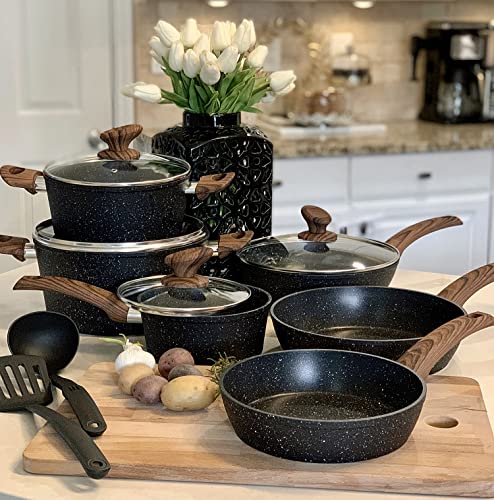
MSMK 2 Quart Nonstick Saucepan
A small saucepan can either make daily cooking feel smoother or quietly annoy you every single morning. Milk can scorch, oatmeal can cling, sauces can leave a stubborn ring, and a thin base can make gas flames feel jumpy instead of controlled. The best cookware for gas stove tops often comes down to steady heat, easy cleanup, and a handle that doesn't make lifting feel awkward. The MSMK 2 Quart Nonstick Saucepan leans into those everyday frustrations with a compact size, a nonstick interior, and a smooth stainless-steel bottom built for multiple cooktops.
MSMK 2 Quart Saucepan Review
The MSMK 2 Quart Saucepan feels aimed at the kind of cooking that happens constantly but rarely gets much attention. Heating milk, making instant noodles, simmering sauce, boiling eggs, cooking oatmeal, and reheating leftovers all fit naturally into this size. A 2-quart pot isn't trying to replace a stockpot, and honestly, that's part of its charm. It sits in that useful middle ground where small-batch cooking feels less clumsy.
The product details highlight a limestone nonstick coating sourced from Germany and described as PFOA-free, with no nickel, lead, or other heavy metals. That matters for anyone replacing scratched old cookware and wanting something that feels less questionable near daily food prep. The safety language should still be read as product-provided information rather than independent lab proof. Even so, the coating choice clearly positions this saucepan around low-stick cooking and easier cleanup.
Gas stovetops can be a little wild with smaller cookware because the flame pattern may creep up the sides if the burner is too strong. This saucepan's smooth stainless-steel bottom is designed to heat evenly and reduce scratching on the stovetop surface. On a gas range, that smoother base also helps the pot sit more confidently instead of feeling flimsy or uneven. Lower to medium flame will likely be the sweet spot for most everyday meals.
The brand claims the saucepan can last for 20 years with frequent use, such as frying eggs or boiling milk multiple times a day. That is a bold product claim, so it deserves a realistic pause. Long life depends heavily on heat level, washing habits, utensils, storage, and whether the nonstick surface is treated gently. Still, the claim does show that durability is a major part of the product's pitch.
Gas Stove Heat Control
Gas stove cooking rewards cookware that doesn't panic under shifting heat. Turn the flame down, and the food should settle into a gentle simmer without a long, stubborn delay. The MSMK saucepan uses a stainless-steel bottom that the product details describe as offering faster heat transfer on induction and more even heating across cooktops. For gas, the real benefit is less about speed alone and more about predictable temperature control.
Small pots often struggle with concentrated heat, especially on burners that are too wide for the base. Sauce can thicken too fast around the edges, and milk can catch before you notice. The even-heating bottom helps reduce that kind of uneven behavior, though it won't cancel out poor flame sizing. Matching the pot to a smaller burner is still the smarter move.
The smooth no-hole bottom is also meant to avoid scratching the stovetop. That detail feels practical because rough-bottom cookware can leave marks, especially when dragged across glass or ceramic surfaces. Gas grates are tougher, but a smooth base still adds polish to the overall design. It gives the saucepan a more refined feel than cheap lightweight pots with rough stamped bottoms.
High heat remains the area where restraint matters. Nonstick cookware doesn't need roaring flames for most tasks, and gas can deliver more heat than a small saucepan needs. Keeping the flame controlled helps protect the nonstick coating and prevents food from overheating too quickly. Better cooking, less drama.
Comfort, Grip, And Daily Handling
The handle deserves real attention because a saucepan gets lifted constantly. Hot milk moves from stove to cup, soup moves from pot to bowl, and sauces get poured while the wrist does all the work. MSMK describes the handle as anti-scalding, comfortable, slip-resistant, and easy to lift because of its weight-saving design. That combination suits a pot meant for frequent, one-handed handling.
A stay-cool handle can make a bigger difference than people expect. Nobody enjoys grabbing a towel every time a saucepan needs a quick shake or pour. The comfortable grip also helps when the pot is full, especially with liquids that can slosh if the hand position feels awkward. Little details like this shape the mood of daily cooking.
The weight-saving design should appeal to anyone tired of heavy cookware for small jobs. Cast iron and thick stainless steel have their place, but boiling milk in a heavy pot can feel silly. This saucepan keeps the focus on easy lifting and fast movement around the stove. That makes sense for quick breakfasts, late-night tea, and simple side dishes.
The tempered glass lid adds visibility while cooking. A clear lid helps monitor simmering without releasing heat every few seconds. The product description calls it shatterproof tempered glass, which suggests added durability, though careful handling still matters. Lids can take a beating in busy kitchens, so storage habits count too.
Pros Worth Noticing
The first major strength is daily convenience. A 2-quart saucepan is one of those pieces that gets used far more often than oversized specialty cookware. It handles small portions neatly, fits standard burners well, and doesn't hog sink space after cooking. That practical size gives it real staying power in a kitchen lineup.
The second strength is the PFOA-free nonstick surface. Sticky foods are where small saucepans often become irritating, especially with milk, oatmeal, eggs, and reheated sauces. A smoother release can reduce scraping and make cleanup feel less like a punishment. The product's limestone coating also gives it a more distinctive identity than plain generic nonstick cookware.
The third advantage sits underneath the pot. The smooth stainless-steel bottom supports use across induction, ceramic, and gas cooktops, which adds flexibility if the kitchen setup changes later. It also helps reduce scratching concerns on smoother cooktop surfaces. A related home-care reference appears in best washing machine for heavy loads, where durability and daily workload also shape buying decisions.
The handle design adds another clear plus. Stay-cool comfort, a slip-resistant grip, and lighter handling all fit the way this pot is likely to be used. Quick pouring and frequent lifting feel less risky when the handle feels secure. For a small saucepan, that comfort matters more than fancy styling.
Cons And Realistic Tradeoffs
The biggest limitation is capacity. A 2-quart saucepan is handy for small meals, sauces, and side dishes, but it won't comfortably handle large pasta batches or family-size soup portions. Anyone expecting one pot to cover every cooking task may feel boxed in. This is a daily helper, not a do-it-all giant.
The second tradeoff involves nonstick care. Even though the product mentions scratch resistance and resistance to hardwood spatula use at high temperature, coated cookware still benefits from gentle utensils and careful cleaning. Metal tools, harsh scrubbers, and overheated empty pans can shorten surface life. Treating it casually every day may not match the long-life promise.
The oven-safe claim up to 700 ℉ sounds strong, but practical use still deserves caution. Handles, lids, and cooking habits all affect whether high-heat oven use feels sensible. The product description provides the temperature claim, yet most everyday saucepan tasks won't require anything close to that range. For routine cooking, the stovetop performance matters much more.
The warranty and money-back language adds reassurance, but the wording depends on following maintenance and usage instructions. That means care habits still sit at the center of the ownership experience. The saucepan may be tough, but it isn't magic. Used with moderate heat, soft utensils, and sensible washing, the MSMK saucepan makes the strongest case for itself.
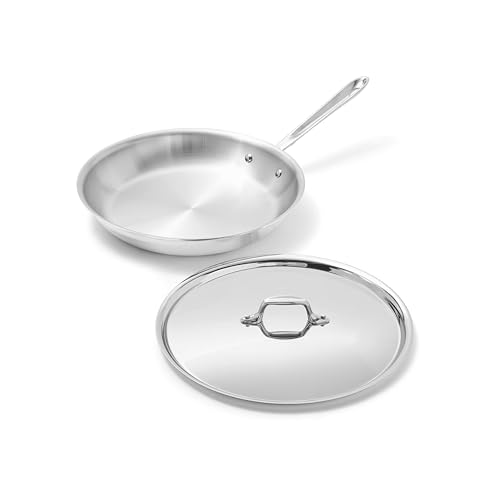
Kitchen Academy 12 Piece Cookware Set
Some cookware sets look generous until dinner starts moving fast. A skillet feels too small, a saucepan runs out of room, or a handle gets warm just when the sauce needs a quick stir. The best cookware for gas stove tops should make everyday meals feel less scattered, not add another little headache to the counter. The Kitchen Academy 12 Piece Cookware Set takes a practical route with granite nonstick surfaces, an aluminum core, and a spread of pan sizes that suit real weeknight cooking.
Kitchen Academy 12 Piece Set
The Kitchen Academy 12 Piece Cookware Set includes an 8-inch fry pan, an 11-inch fry pan, a 9.7-inch deep fry pan with lid, a 1.5-quart saucepan with lid, a 3-quart casserole with lid, a 5-quart casserole with lid, and two silicone utensils. That mix covers the usual rhythm of breakfast, sauces, simmered meals, and one-pan dinners without drowning the cabinet in rarely used extras. It isn't a massive cookware bundle, and that restraint actually works in its favor. The set feels focused on daily cooking basics rather than padding the piece count with clutter.
The granite-style coating is the headline feature here. The product details describe it as a nonstick graniteware coating that helps prevent food from sticking, which matters for eggs, rice, noodles, and saucy dishes that can leave stubborn residue behind. Less sticking also means less dependence on heavy oil, though oil use still depends on cooking style and recipe. For a gas stove, that easy-release surface can take some pressure off meals that move quickly.
The cookware uses an aluminum core, giving the pans quicker heat response than heavier materials that take longer to wake up. Gas flames can jump from gentle to aggressive in a blink, so a responsive pan helps keep control in the cook's hands. The stainless steel base adds compatibility with major cooktops, including induction, while still making sense for gas burners. That flexibility gives the set more staying power if the kitchen setup changes later.
The overall build leans toward convenience. Hand washing is recommended, and the brand positions the set as easy to clean. That's not just a small note, because nonstick cookware often lives or dies by whether it stays pleasant after repeated meals. A pan that wipes down easily earns its place a lot faster than one that demands a long sink session.
Pros For Gas Stove Cooking
Fast heat response is one of the stronger advantages of this set on a gas range. The aluminum core helps the pans warm up quickly, which is useful for sautéing vegetables, frying eggs, or bringing sauces to a steady simmer. Gas burners already offer instant flame adjustment, and cookware that reacts without dragging its feet makes that control feel more natural. It creates a smoother back-and-forth between hand, burner, and pan.
The granite nonstick coating also suits the messy reality of everyday meals. Tomato sauce, sticky marinades, and breakfast foods can turn cheap cookware into a scrubbing project. The product details specifically mention that acidic or strong-smelling ingredients, including tomato sauce, should not change the taste or smell of food. That claim is useful for cooks who use one pan across very different dishes during the week.
The included pan sizes make sense for a busy stove. The 8-inch fry pan handles smaller portions, the 11-inch fry pan gives more surface area, and the deeper covered fry pan helps with dishes that need both browning and simmering. That range keeps the set from feeling too narrow. For best cookware for gas stove tops, having the right pan size can matter as much as the coating itself.
The lead-free, PFOS-free, and PFOA-free details speak to material concerns that often come up during cookware replacement. Those claims come from the provided product description, so they should be treated as product-stated information rather than outside lab verification. Still, they clarify what the brand wants this set to represent. It aims for easy cooking with fewer worries about common coating concerns.
Cons And Care Tradeoffs
The first tradeoff is heat discipline. Nonstick cookware and roaring gas flames don't always make the best couple, even when the pan itself heats quickly. The Bakelite handles are described as safe up to 350 degrees Fahrenheit for a limited time, so oven or high-heat use needs a careful eye. This set makes more sense for everyday stovetop cooking than for extreme heat recipes.
Hand washing is another realistic consideration. The product description recommends hand wash care, which is common for nonstick cookware but still worth noting. A quick rinse or soft sponge may not feel like a burden, yet dishwasher-first households may see that as a small nuisance. Gentle care usually helps protect coated cookware over time.
The 12-piece count includes lids and utensils, so the number can sound bigger than the actual cookware body count. That's normal in cookware sets, but it can surprise anyone expecting twelve separate pots and pans. The practical lineup is still useful, just not oversized. A tidy set can be a strength, as long as expectations stay realistic.
The granite coating also asks for softer utensils and sensible storage. The included silicone utensils help, and using pan protectors or careful stacking can reduce surface wear. Nonstick pans don't enjoy metal scraping, hard impacts, or overheated empty preheating. Treat the set kindly, and it has a better chance of staying pleasant to cook with.
Cooking Feel And Everyday Fit
The 9.7-inch deep fry pan with lid may end up being the quiet workhorse. It can handle saucy chicken, vegetables, shallow frying, and quick braises better than a shallow skillet. That kind of pan earns attention because it bridges the gap between frying pan and small casserole. For one-pan meals, depth gives you breathing room.
The casseroles add comfort for soups, pasta, stews, and family-style sides. A 3-quart casserole covers mid-size meals, while the 5-quart version handles larger portions without immediately feeling cramped. Gas burners can heat pot sides unevenly if the flame is too wide, so matching burner size still matters. The larger magnetic stainless steel base helps, but flame control remains part of the job.
The dark Bakelite handles bring a practical benefit beyond heat resistance. The product details mention they are more stain-resistant and easier to clean, which makes sense around sauces, oil splatter, and turmeric-heavy cooking. Handles collect grime faster than people like to admit. A darker, easier-wipe surface can keep the set looking less tired after repeated use.
Household air and cooking routines sometimes overlap, especially in smaller kitchens where sautéing, simmering, and frying leave odors hanging around. From a practical angle, a related reference is best air purifier for 400 sq ft for readers thinking about broader kitchen comfort beyond cookware alone. That topic sits separately from pan performance, but it fits the bigger picture of making a home easier to live in.
Where This Set Makes Sense
Kitchen Academy's cookware set makes the most sense in kitchens that need a balanced collection without going overboard. The included pieces cover breakfast, lunch, dinner, and leftovers with enough variety to avoid constant pan washing between steps. It feels especially useful where space matters but cooking still happens daily. A smaller, smarter spread can beat a giant bundle that barely fits.
The nonstick surface favors low-fuss meals. Eggs, pancakes, rice dishes, tomato sauce, and sautéed vegetables all benefit from an easy-release interior. The set isn't trying to replace stainless steel for hard searing or cast iron for deep crust development. Its lane is simple cleanup and steady everyday cooking.
The induction-ready base adds long-term flexibility, even if the current stove runs on gas. Moving homes, replacing appliances, or cooking in different kitchens won't immediately make the set useless. That matters more than it sounds, because cookware is annoying to replace just because the cooktop changes. Multi-cooktop compatibility gives the set a longer runway.
The service claim also adds a little reassurance. The product details mention a strict multi-inspection process and online customer service, though real outcomes can vary by situation. That said, a cookware set with clear support language feels less anonymous than no-name bundles. The bigger appeal still comes from the mix of granite nonstick performance, useful pan sizes, and gas-friendly heat response.
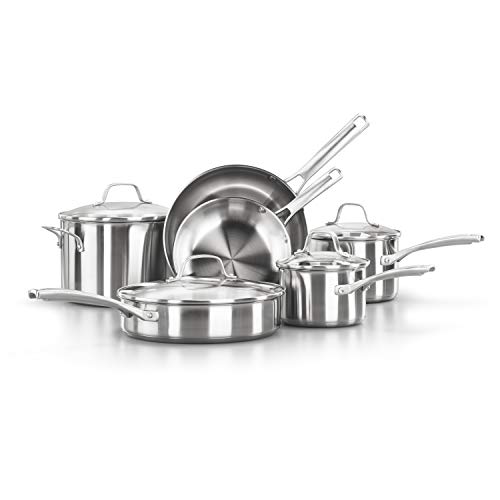
All-Clad D3 12 Inch Fry Pan With Lid
A gas flame can make a skillet show its true colors pretty quickly. Thin pans scorch butter at the center, cheap coatings lose their nerve, and uneven heat turns simple browning into a guessing game. The best cookware for gas stove tops needs to keep up with real flame control, not just look polished on a shelf. The All-Clad D3 12 Inch Fry Pan With Lid takes the old-school stainless route with fully bonded tri-ply construction, a wide cooking surface, and the kind of sturdy feel that suits cooks who don’t baby their pans.
All-Clad D3 Fry Pan
The All-Clad D3 Fry Pan is a 12-inch stainless steel skillet with a matching lid, built around the brand’s original bonded cookware design. Its tri-ply construction sandwiches an aluminum core between stainless steel layers, giving the pan a balance of quick heat movement and lasting structure. That matters on gas because the flame doesn’t always spread politely across the base. A bonded body helps carry heat more evenly from the center toward the edges.
This pan feels less like a convenience shortcut and more like a cooking tool with a learning curve. Stainless steel doesn’t behave like nonstick, so eggs, fish, or delicate foods demand timing, fat, and proper preheating. That tradeoff buys better browning, stronger fond, and more flexibility for searing, pan sauces, roasting, and oven finishing. For gas stove cooking, that kind of control can feel deeply satisfying once the technique clicks.
The included lid adds more usefulness than it first appears to. A covered skillet can steam vegetables, finish thicker cuts of meat, reduce splatter, and hold gentle heat for saucy dishes. It turns the pan from a straight frying tool into something closer to a shallow braiser for smaller meals. That extra range matters when cabinet space doesn’t have room for every specialty piece.
All-Clad’s Pennsylvania manufacturing history, dating back to 1971 according to the supplied product details, gives this pan a clear identity. The product is described as made in the USA with global components, which may appeal to buyers who care about long-running cookware craftsmanship. That background doesn’t cook dinner by itself, of course, but it explains why the pan carries a more serious reputation than typical lightweight skillets. The focus here is durable bonded stainless cookware, not disposable convenience.
Heat Behavior On Gas Burners
Gas burners are quick, direct, and occasionally unruly. The flame can wrap up the sides of a pan if the burner is too large or the heat is set too high. The tri-ply bonded construction helps smooth out that energy by using an aluminum core for faster, more even heat distribution. That design suits sautéing onions, searing chicken thighs, and browning mushrooms without constantly chasing hot spots.
The stainless cooking surface rewards patience. Food usually releases better after the pan is properly preheated and oil is added at the right moment. Rush that step, and sticking can happen fast. Give it a minute, though, and the stainless steel surface can build the kind of golden crust that coated pans often struggle to match.
Heat retention also plays a role in how this skillet feels during cooking. A cold steak or a batch of vegetables can drop pan temperature quickly, especially in thinner cookware. The D3 build helps recover and hold heat with more confidence. On a gas stove, that steadiness makes browning more predictable instead of hit-or-miss.
The pan is oven and broiler safe up to 600 degrees Fahrenheit based on the provided product details. That opens the door for stovetop-to-oven cooking, such as searing pork chops before finishing them gently or starting a frittata on the burner before baking it through. A relevant cleaning reference fits naturally with cookware care in how to clean metal coffee filter, since stainless surfaces and reusable kitchen tools both benefit from routine maintenance rather than rough treatment.
Cooking Surface And Everyday Technique
The 12-inch size gives this skillet room to breathe. Crowding vegetables or protein causes steaming instead of browning, and smaller pans run into that problem quickly. With a broader cooking surface, the All-Clad D3 12 Inch Fry Pan handles larger portions more comfortably. That makes it useful for weeknight stir-ins, seared cutlets, skillet potatoes, and saucy one-pan meals.
The flared edge is one of those small details that earns respect during real cooking. Pouring pan sauce, transferring browned butter, or sliding vegetables onto a plate can get messy with blunt pan rims. All-Clad includes a flared rim for drip-free pouring, which helps keep the counter cleaner. It’s not flashy, but it’s exactly the sort of design choice that seasoned cooks notice.
The highly polished finish gives the pan a classic stainless look. Pretty, yes, but stainless will show fingerprints, water spots, and heat tint if it’s used hard. That’s normal rather than a defect. The difference is that stainless steel cookware can usually be cleaned back into shape with the right method, while scratched coated pans may not recover the same way.
Handwashing is recommended, and that’s sensible for a pan in this category. Dishwashers can be harsh on cookware over time, especially around finishes and edges. A soft sponge, warm water, and the right cleaner for stubborn residue will usually make more sense. Stainless asks for a bit of elbow grease now and then, but it also gives back durability.
Pros That Stand Out
The biggest strength is bonded tri-ply performance. The aluminum core improves heat movement, while stainless steel gives the cooking surface toughness and versatility. That combination is especially useful on gas burners, where fast heat changes are part of the cooking rhythm. It supports browning, sautéing, simmering, and oven finishing without needing a coating to do the heavy lifting.
The second major advantage is long-term durability. Nonstick pans can be convenient, but their surfaces eventually become the limiting factor. Stainless steel can handle metal utensils better, tolerate higher heat, and recover from many cleaning mishaps. For cooks who prefer buying fewer pieces and keeping them longer, that’s a meaningful difference.
The lid adds practical value beyond the basic skillet role. Steam builds faster, splatter stays more contained, and thicker ingredients can cook through without drying out as quickly. This makes the pan more adaptable for everyday meals. A simple covered skillet can do more than many people expect.
The pan’s compatibility with all stovetops, including induction, also gives it flexibility. A cookware piece that works on gas today and induction later is easier to keep through kitchen changes. The oven-safe and broiler-safe design further widens the cooking range. That flexibility helps justify the more serious build.
Cons And Honest Friction Points
The first tradeoff is the learning curve. Stainless steel doesn’t forgive impatience the way nonstick does. Foods can stick if the pan is too cold, too dry, or overloaded. Anyone expecting effortless food release from day one may need time to adjust.
The second drawback is cleanup after sticky or high-heat cooking. A browned fond is wonderful for sauce, but burnt residue can take more work to remove. The stainless surface rewards proper technique and cleaning habits, not careless overheating. For quick eggs before work, a nonstick pan may still feel easier.
The classic riveted handle offers strength, but rivets can collect residue around their edges. That’s common in professional-style cookware, and it’s not unique to this pan. Still, anyone who values perfectly smooth interiors may notice the extra cleaning step. The riveted handle design favors durability over wipe-clean simplicity.
The price category may also give some shoppers pause, depending on budget expectations. This is not the kind of pan bought casually as a temporary piece. It makes the most sense when the priority is stainless steel performance, oven flexibility, and a pan that can live through years of serious cooking habits. For low-heat nonstick convenience, it may be more pan than necessary.
Best Uses And Realistic Fit
This skillet shines with foods that benefit from browning. Chicken thighs, pork chops, steak strips, mushrooms, onions, potatoes, and pan sauces all fit the pan’s strengths. The 12-inch stainless surface gives ingredients space to develop color instead of steaming in a crowded pile. Gas heat pairs nicely with that because flame adjustments are immediate.
Covered cooking expands the menu. A lid helps wilt greens, melt cheese, finish meat gently, or hold moisture in skillet meals. That extra control matters for dishes that start with a sear and finish with steam or sauce. The pan becomes more useful than a plain open skillet.
Acidic ingredients are another area where stainless has an advantage over many coated surfaces. Tomato-based sauces, wine reductions, and vinegar-heavy pan sauces are natural fits for stainless steel. The surface won’t carry the same coating concerns that some cooks have with nonstick cookware. That makes the pan appealing for recipes with sharper flavors.
The All-Clad D3 is less appealing for delicate low-fat cooking without technique. Eggs can be done, but they ask for proper heat and enough fat. Fish skin can crisp beautifully, though it may punish rushed timing. That’s the honest bargain with professional-style stainless cookware: more control, more browning, and a little more responsibility at the stove.


Top Rated Best Quality Range Hoods: 2026 Expert Picks

The 12 Best Small Solar Generators 2026

10 Best Quality Semi Automatic Washing Machine of 2026 For Leak-Free Laundry

11 Best Small Washer Machine of 2026 For Everyday Laundry

12 Best Vibration Pads For Washing Machine of 2026 To Stop Walking and Shaking

11 Best Selling Front Load Washing Machine of 2026 For Quiet Odor-Free Laundry

11 Best Washing Machine For King Size Bedding of 2026 To Prevent Cycle Errors

10 Best Small Front Loader Washing Machine of 2026 For Tight Closets






