
Best Cast Iron Cookware For Camping 2026 Campfire Picks

Best cast iron cookware for camping earns its spot when camp meals need steady heat instead of guesswork. A thin pan can scorch bacon near the fire ring, leave potatoes half-done in the middle, and turn pancakes into a sticky little circus. Cast iron brings weight, sure, but that same heft helps hold heat when the flame jumps around or the coals start fading. That tradeoff matters once dinner depends on a windy campsite, a lopsided grill grate, and one hungry crew hovering nearby.
Cast iron skillets, Dutch ovens, and griddles all solve different camp cooking problems. A skillet handles eggs, burgers, sausages, and quick vegetables without feeling fussy. A Dutch oven makes more sense for chili, cobbler, stew, cornbread, or anything that benefits from heat coming from above and below. A flat griddle can feel like a small outdoor diner, especially when breakfast needs to move fast before the coffee gets cold.
Heat retention is the big reason cast iron feels so dependable outdoors. Campfire heat rarely behaves politely, and portable stoves can have hot spots that punish lightweight pans. Cast iron spreads that heat more calmly, so food browns instead of burning in one angry patch. Still, it won’t save a meal from neglect, so moving the pan, rotating the Dutch oven, and managing coals still matter.
Seasoning care is where the romance gets real. Cast iron doesn’t love being left wet in a tote overnight, and it can rust if cleanup gets rushed after a long day. Warm water, a scraper, thorough drying, and a light coat of oil usually keep things in shape. It’s not hard, but it does ask for a little discipline when everyone else has wandered off to the camp chairs.
Camping cookware should match the trip style, not just the dream menu. Car camping gives cast iron room to shine because weight isn’t such a headache. Backpacking is another story, since every pound starts arguing with your shoulders by mile three. For base camps, cabins, overlanding setups, and weekend fire-ring cooking, cast iron feels right at home.
Practical size matters more than flashy bundles. A 10-inch skillet works for smaller meals and packs easier, while a 12-inch skillet gives more room for family-style cooking. Dutch ovens with legs sit better over coals, while flat-bottom versions behave better on camp stoves and grills. The best setup is usually the one that cooks the meals you actually make, not the one that looks heroic in a gear photo.

- TAR Score9.4
TAR Score is a ranking system developed by TopAppliancesReviews.com. TAR score has no relationship or impact from any manufacturers or sales agent websites. Learn more
- BrandLodge

- TAR Score9.4
TAR Score is a ranking system developed by TopAppliancesReviews.com. TAR score has no relationship or impact from any manufacturers or sales agent websites. Learn more
- BrandEDGING CASTING
- TAR Score9.2
TAR Score is a ranking system developed by TopAppliancesReviews.com. TAR score has no relationship or impact from any manufacturers or sales agent websites. Learn more
- BrandEDGING CASTING

- TAR Score9.2
TAR Score is a ranking system developed by TopAppliancesReviews.com. TAR score has no relationship or impact from any manufacturers or sales agent websites. Learn more
- BrandAmazon Basics

- TAR Score9.2
TAR Score is a ranking system developed by TopAppliancesReviews.com. TAR score has no relationship or impact from any manufacturers or sales agent websites. Learn more
- BrandLodge

- TAR Score9.0
TAR Score is a ranking system developed by TopAppliancesReviews.com. TAR score has no relationship or impact from any manufacturers or sales agent websites. Learn more
- BrandCoghlan's
- TAR Score9.0
TAR Score is a ranking system developed by TopAppliancesReviews.com. TAR score has no relationship or impact from any manufacturers or sales agent websites. Learn more
- BrandEWFEN

- TAR Score8.8
TAR Score is a ranking system developed by TopAppliancesReviews.com. TAR score has no relationship or impact from any manufacturers or sales agent websites. Learn more
- BrandRELIANCER
- TAR Score8.6
TAR Score is a ranking system developed by TopAppliancesReviews.com. TAR score has no relationship or impact from any manufacturers or sales agent websites. Learn more
- BrandBruntmor

- TAR Score8.6
TAR Score is a ranking system developed by TopAppliancesReviews.com. TAR score has no relationship or impact from any manufacturers or sales agent websites. Learn more
- BrandUtopia Kitchen
Last update on 2026-07-28 / Affiliate links / Images, Product Titles, and Product Highlights from Amazon Product Advertising API
Best Cast Iron Cookware For Camping
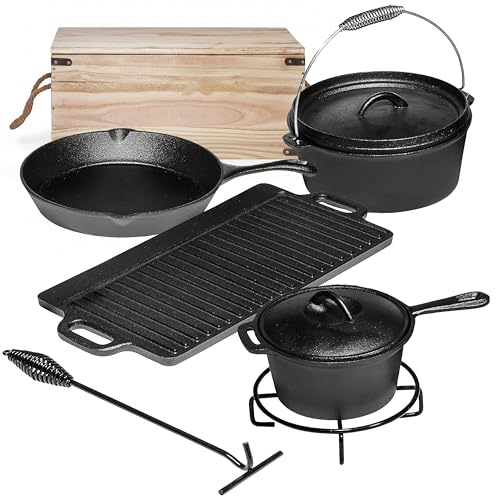
A campsite meal can go sideways fast when cookware struggles to hold heat across shifting flames and glowing coals. Cold spots leave food uneven, while thin pans often force constant adjustments that take attention away from the experience itself. That reality is exactly why best cast iron cookware for camping remains a favorite category among outdoor cooks. The Lodge Seasoned Cast Iron 5 Piece Bundle approaches campfire cooking with a multi-piece setup, consistent heat retention, and practical versatility that fits everything from breakfast at dawn to slow-cooked dinners after sunset.
Lodge Cast Iron 5 Piece Bundle
The first thing that stands out is the sheer flexibility packed into this set. Instead of relying on a single skillet, the bundle combines a 10.5-inch griddle, 8-inch skillet, 10.25-inch skillet, Dutch oven, and matching lid. That arrangement creates options rather than limitations. Pancakes and bacon can cook on the griddle while potatoes brown in the skillet, making meal preparation feel far less cramped around a campsite cooking station.
Lodge keeps the design straightforward, and honestly, that's part of the appeal. There are no complicated mechanisms, specialty coatings, or fragile components to worry about. Cast iron thrives in rugged environments, and this collection reflects that philosophy through its durable construction and traditional cooking surface. Dirt roads, fire pits, and outdoor kitchens tend to be rough on gear, yet this set feels built for exactly those situations.
Another advantage comes from having cookware sizes that complement one another. The smaller skillet handles quick side dishes efficiently, while the larger skillet offers enough room for family-style cooking. That balance helps reduce the constant juggling that often happens when a single pan has to do every job.
Heat Retention That Makes Camp Cooking Easier
Campfire cooking rarely provides perfectly controlled temperatures. Flames rise unexpectedly, coals cool unevenly, and wind changes everything in a matter of minutes. The standout characteristic here is heat retention. Cast iron absorbs heat slowly and releases it gradually, helping food cook more evenly despite the unpredictable environment.
The larger skillet performs especially well during longer cooking sessions. Sausage links, burgers, vegetables, and breakfast potatoes benefit from the steady cooking surface rather than sharp temperature swings. Food develops a better crust because the pan doesn't lose heat every time ingredients are added.
The Dutch oven expands those possibilities even further. Stews, chili, baked beans, and slow-braised meals benefit from the combination of retained heat and enclosed cooking space. Since the lid includes self-basting tips, moisture naturally cycles back onto the food, helping ingredients stay tender throughout extended cooking sessions.
Cooking over charcoal often highlights the difference between average cookware and cast iron. The ability to maintain warmth long after the fire settles down becomes a practical advantage rather than a marketing phrase. Meals stay manageable even when the campsite conversation starts pulling attention away from the cooking process.
Pre-Seasoned Convenience For Outdoor Use
New cast iron sometimes intimidates people because seasoning sounds complicated. Lodge simplifies that concern by shipping the entire bundle pre-seasoned with 100% natural vegetable oil. The cookware arrives ready for cooking rather than requiring a lengthy preparation process.
That doesn't mean the seasoning remains unchanged forever. Like all cast iron, the cooking surface improves gradually through regular use. Each meal contributes to the seasoning layer, helping the cookware develop a smoother and more naturally nonstick surface over time.
Cleanup remains relatively straightforward as long as expectations stay realistic. Burned-on food still requires attention, and cast iron always appreciates proper drying after washing. The tradeoff is worthwhile because the cookware avoids synthetic coatings that can wear down or become damaged under high campfire temperatures.
A related household reference occasionally appears in discussions about durable gear, and a different appliance category can be seen in best top load washing machine under 16000 without changing the outdoor focus of this cookware review.
Versatility Across Multiple Cooking Methods
Few cookware sets move between cooking environments as naturally as this one. The bundle works on a campfire, grill, stovetop, oven, and even induction cooktops. That flexibility means the same cookware can handle a weekend campsite and continue serving meals back home afterward.
The griddle deserves special attention because it broadens the cooking experience significantly. Breakfast foods often benefit from the larger flat surface, especially when cooking several portions at once. French toast, pancakes, tortillas, and grilled sandwiches all fit comfortably within its design.
The Dutch oven introduces another layer of functionality. Baking cornbread near hot coals, roasting vegetables, or preparing slow-simmered meals becomes possible without carrying separate specialty cookware. One piece can support multiple cooking styles throughout a trip.
That versatility also reduces packing complexity. Rather than hauling numerous dedicated cooking tools, campers can rely on a relatively compact collection that covers a surprisingly wide range of meal types.
Comfort, Handling, And Practical Tradeoffs
Lodge incorporates easy-grip handles that improve control when moving cookware around active cooking areas. Secure handling matters outdoors because uneven ground, fire rings, and crowded cooking stations create more opportunities for awkward movement.
Weight remains the most obvious compromise. Cast iron isn't lightweight, and this five-piece bundle certainly isn't designed for backpacking. Car campers, RV travelers, cabin visitors, and overlanding enthusiasts will likely appreciate the durability far more than they worry about portability.
Storage space also deserves consideration. Five cast iron pieces require room in a vehicle, especially when additional camping gear already competes for space. The upside is that each piece contributes genuine functionality rather than serving as a redundant accessory.
Another realistic consideration involves maintenance. Cast iron rewards consistent care. Drying thoroughly, applying occasional oil, and avoiding prolonged moisture exposure help preserve the seasoning layer. None of these tasks are difficult, yet they remain part of the ownership experience.
Where This Bundle Shines Most
The strongest aspect of this set isn't a single skillet or individual feature. Its value comes from the way each piece supports a broader outdoor cooking system. Breakfast, lunch, dinner, side dishes, baked foods, and slow-cooked recipes all become possible without needing separate specialty cookware.
Campfire meals often feel more enjoyable when equipment stays predictable. The combination of even heating, durable cast iron construction, and multi-purpose cooking options creates that sense of reliability. Fewer surprises around the fire generally lead to better meals and a smoother experience overall.
People expecting ultralight gear may view the weight as a drawback. Those who prioritize cooking flexibility, however, will probably see the tradeoff differently. The cookware asks for more carrying effort but returns that investment through stability, versatility, and cooking performance.
The Lodge Seasoned Cast Iron 5 Piece Bundle feels particularly well suited for campsites where meals are part of the experience rather than an afterthought. Its collection of skillets, griddle, Dutch oven, and lid creates a cooking setup capable of handling everything from simple breakfasts to ambitious campfire dinners.
Best Cast Iron Cookware For Camping
A cold morning at camp has a funny way of exposing weak cookware. One side of breakfast burns, the other barely warms up, and suddenly the fire gets blamed for problems that really belong to the pot. That's where the best cast iron cookware for camping tends to separate itself from lighter alternatives. The EDGING CASTING Pre-Seasoned Cast Iron Dutch Oven brings together deep cooking capacity, multi-purpose functionality, and the kind of heat control that suits campfire cooking far better than many modern pans.
EDGING Cast Iron Dutch Oven
The design centers around a 4.5-quart Dutch oven paired with a lid that doubles as a skillet. Straight away, that setup feels practical rather than flashy. Instead of carrying separate cookware pieces for every meal, the pot and lid work together to handle a surprising variety of cooking tasks. Less gear clutter often means more room for food, firewood, and everything else that somehow ends up packed into a camping vehicle.
Size matters in outdoor cooking, and this model lands in a useful middle ground. The stated capacity suits meals intended for several people without becoming awkwardly large. Chili, beef stew, baked beans, soups, and cobblers all fit comfortably inside the pot. At the same time, it doesn't feel oversized for a simple dinner after a long day outdoors.
The first impression isn't about innovation. Instead, it's about practicality. Every component serves a purpose, and nothing feels included simply for marketing appeal. That straightforward approach often ages better than complicated cookware systems with multiple accessories.
Heat Retention Built For Campfire Cooking
Campfires rarely behave consistently. Flames shift directions, wood burns unevenly, and coal beds develop hot zones without warning. The thick cast iron construction helps smooth out those fluctuations by holding heat longer than thinner cookware. That characteristic becomes especially noticeable during slow-cooked meals.
Stews and braised dishes benefit from the pot's ability to maintain temperature. Ingredients cook gradually rather than facing dramatic temperature swings every few minutes. The result isn't magic, but it does create a steadier cooking environment that requires fewer adjustments throughout the process.
The Dutch oven also handles residual heat exceptionally well. Once the cast iron reaches cooking temperature, it remains warm for a considerable time. That behavior can help prevent food from cooling too quickly during serving, particularly on chilly evenings when outdoor temperatures start dropping.
Cast iron naturally requires a bit more patience during preheating. That's the tradeoff. The cookware takes longer to warm up than lightweight aluminum alternatives, but it rewards that patience with consistent heat distribution and a cooking surface that feels predictable throughout the meal.
Dual-Purpose Lid Adds Real Flexibility
Some cookware lids simply cover a pot. This one does considerably more. The reversible lid design functions as a skillet, creating an additional cooking surface without increasing the amount of gear carried to camp.
Breakfast highlights this feature particularly well. While potatoes cook inside the Dutch oven, the flipped lid can handle eggs, bacon, or sausages. That kind of flexibility helps simplify meal preparation around crowded campsites where cooking space is often limited.
The lid also supports traditional Dutch oven cooking techniques. Hot coals can sit on top, generating heat from above while coals underneath heat the base. That arrangement creates an environment suitable for baking foods like cornbread, biscuits, and desserts directly at camp.
Not every campsite meal requires dual-surface cooking, of course. Yet having the option available often proves useful once menus become more ambitious than basic hot dogs and canned beans.
Performance Across Different Cooking Setups
Versatility becomes increasingly valuable when camping styles vary from trip to trip. One weekend might involve a campground grill. Another could revolve around an open fire ring or charcoal cooking station. This Dutch oven accommodates several different approaches through its multi-source compatibility.
The pot works on stovetops, inside ovens, over hot coals, and with elevated cooking systems such as tripods. That flexibility extends its usefulness beyond camping alone. Many owners will likely use it just as often at home as they do outdoors.
A related household maintenance topic occasionally appears in conversations about caring for durable gear and fabrics, and a separate reference can be seen in best wool detergent for washing machine without changing the focus of this cookware discussion.
The legged base deserves mention as well. Raising the Dutch oven slightly above the cooking surface improves coal placement and helps maintain a more traditional campfire cooking setup. For those who enjoy old-school outdoor cooking methods, that feature adds genuine utility.
Seasoning, Care, And Long-Term Expectations
The cookware arrives pre-seasoned, which removes much of the hassle often associated with new cast iron. Meals can begin relatively quickly after a basic cleaning process. The manufacturer also recommends applying oil after receiving the product, and that's sensible advice for strengthening the seasoning layer over time.
Cast iron develops character through use. Each meal contributes gradually to the cooking surface, helping improve food release and overall performance. A well-maintained Dutch oven often becomes easier to cook with after months of regular use than it was on day one.
Maintenance remains straightforward but shouldn't be ignored. Moisture is still the primary enemy of cast iron. Thorough drying and occasional oiling help preserve both appearance and cooking performance. Anyone expecting completely maintenance-free cookware may view that routine as a drawback.
Weight is another unavoidable reality. Heavy cast iron isn't ideal for backpacking trips where every ounce matters. Car camping, RV travel, cabin stays, and overlanding setups are much more natural environments for cookware of this size and construction.
Cooking Situations Where It Excels
The strongest meals for this Dutch oven tend to be dishes that benefit from patience. Slow-cooked chili, braised meats, baked casseroles, cobblers, and hearty soups all play directly into its strengths. The combination of heat retention and ample cooking capacity supports recipes that develop flavor gradually.
Open-fire baking also stands out. Few cookware pieces transition as naturally between roasting, simmering, frying, and baking. The ability to manage multiple cooking techniques using a single pot and lid keeps campsite kitchens simpler and more organized.
Not every camper needs a Dutch oven this substantial. Quick weekend travelers focused on lightweight gear may prefer smaller cookware solutions. Camp cooks who enjoy preparing complete meals over fire, however, will likely appreciate the balance of versatility, durability, and cooking control found in this EDGING CASTING model.
The overall package feels designed around practical outdoor cooking rather than novelty. Its dual-purpose lid, thick cast iron body, and compatibility with multiple heat sources create a dependable setup for campfire meals that demand more than basic cookware can comfortably provide.
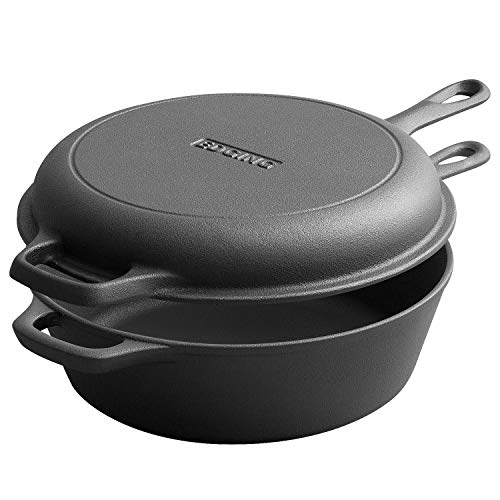
EDGING 2-In-1 Cast Iron Dutch Oven Set
Camp meals can feel calm right up until the pan starts fighting back. Soup needs depth, eggs need a flat surface, and fried potatoes need heat that doesn't vanish the second food hits the iron. The best cast iron cookware for camping has to handle that messy overlap without asking for a whole crate of gear. The EDGING CASTING 2-in-1 Pre-Seasoned Cast Iron Dutch Oven Pot with Skillet Lid Set leans into that problem with a 3-quart pot, a 10-inch skillet lid, and a practical shape that makes outdoor cooking feel less like a juggling act.
EDGING 2-In-1 Dutch Oven
The shortened name, EDGING 2-In-1 Dutch Oven, fits because this piece doesn't behave like a single-purpose camp pot. The deeper base handles soups, stews, braised meats, and slow-cooked vegetables, while the shallow lid flips into a skillet for frying, searing, baking, or quick breakfast work. That two-part design matters at camp, where every extra item competes with coolers, chairs, fuel, and all the odd little things that somehow fill the trunk.
The 3-quart capacity feels best suited for smaller outdoor meals rather than oversized batch cooking. It's enough space for a hearty stew, a small roast, beans, cobbler, or a one-pot dinner, but it won't replace a larger Dutch oven for big group meals. That limitation isn't a dealbreaker if the plan involves compact cooking and manageable portions. In fact, the smaller size can be easier to heat, lift, clean, and pack after the fire dies down.
The skillet lid adds a clever layer of usefulness without turning the set into a complicated system. A shallow cooking surface can handle bacon, eggs, tortillas, grilled sandwiches, or quick-seared vegetables while the pot works below. That means campfire breakfast doesn't have to crawl along one item at a time. Still, the lid is cast iron too, so it needs the same careful handling and drying as the pot.
The overall personality of this set feels rugged, unfussy, and slightly old-school. No synthetic coating, no delicate finish, no strange parts that need explaining. It asks for a little care, then gives back steady cooking performance across a wide range of meals. That's a fair bargain for outdoor cooking, especially when the food needs more than a flimsy pan can give.
Pre-Seasoned Surface And First-Use Feel
The pot and skillet lid come pre-seasoned with vegetable oil, which gives the cookware a useful starting point right out of the box. That detail matters because raw cast iron can feel intimidating before it develops a proper cooking surface. This set avoids synthetic coatings and chemicals, according to the provided description, keeping the surface closer to traditional cast iron cooking. Not slick like a modern nonstick pan, mind you, but ready for patient, steady use.
Pre-seasoning shouldn't be mistaken for a forever finish. Cast iron seasoning grows stronger through cooking, oiling, and proper storage. The more the pot is used for fatty foods, searing, frying, and roasting, the more the surface can develop that darker, smoother feel people associate with seasoned iron. Skip the drying step, though, and rust can sneak in fast.
The care routine is simple but not optional. Hand washing in warm water, drying thoroughly over medium heat, and wiping on a very thin coat of natural oil help protect the surface. The phrase super-thin coat deserves attention because too much oil can leave sticky patches instead of building good seasoning. A cloth or paper towel should remove the extra sheen before storage.
Outdoor cooking adds extra reasons to stay disciplined. Damp grass, lake air, sudden rain, and messy cleanup areas can all make cast iron vulnerable if it's packed away wet. So, yes, this set is tough. But maintenance habits still decide how well it ages.
Heat Transfer For Fire, Stove, And Oven Cooking
Cast iron's real charm shows up once heat settles into the metal. The EDGING set uses cast iron construction with strong heat storage and efficient transfer, which helps food cook more evenly after the cookware is properly warmed. Over a camp stove or fire grate, that can mean fewer scorched edges and fewer cold spots hiding in the middle of dinner. It doesn't remove the need for attention, but it gives a steadier base to work from.
The pot is especially useful for meals that reward patience. Soups, stews, braises, roasted vegetables, and baked dishes all benefit from heat that lingers instead of disappearing quickly. Once the pot reaches temperature, it holds warmth well enough to keep food moving gently along. That trait feels handy on cooler evenings, when plates chill quickly and every serving loses heat faster than expected.
The skillet lid brings quicker cooking jobs into the same setup. Fried eggs, sausages, flatbreads, mushrooms, onions, and small cuts of meat can all benefit from the lid's shallow shape. A 10-inch cooking surface isn't enormous, so crowded cooking will slow things down. Still, for compact meals, it gives enough room to work without hauling an extra skillet.
Heat control takes practice, especially over open flame. Cast iron can get too hot and stay too hot, which means delicate foods may stick or burn if the fire runs wild. Moving the pot away from direct flame, using coals instead of tall flames, and preheating slowly can make a big difference. That learning curve is part of the real cast iron experience, not a flaw unique to this set.
Handles, Control, And Camp Practicality
The 4.8-inch extra-long integrated handles give this cookware a clear handling advantage. Cast iron gets heavy even before food goes in, so a longer grip area can make lifting and repositioning feel more controlled. The ergonomic handle design is especially useful around fire rings, crowded picnic tables, and uneven camp kitchens. A thick glove or mitt still belongs nearby because hot iron doesn't forgive bare hands.
Integrated handles also reduce loose parts. Nothing needs to snap on, fold out, or be assembled while food is already cooking. That simplicity works well outdoors, where greasy fingers, dim light, and limited counter space can make small hardware annoying. The tradeoff is that the handles remain part of the iron body, so they heat up along with everything else.
Portability depends on the kind of trip. This set makes sense for car camping, cabins, backyard fire pits, RV cooking, and campsites close to parking. It doesn't make much sense for long hikes where every ounce gets judged harshly. The weight tradeoff is real, but so is the payoff in durability and heat stability.
Storage is another small detail worth thinking through. The lid sits with the pot, which helps the set pack more neatly than two unrelated pieces. Still, cast iron can scratch softer gear, so wrapping it in a towel or storing it in a dedicated bin keeps the rest of the camping kit cleaner. Practical? Absolutely. Featherlight? Not even close.
Cooking Range From Stews To Skillet Meals
The provided cooking range covers soups, stews, baking, roasting, frying, grilling, broiling, braising, sautéing meats, vegetables, and more. That sounds broad, but the shape of this set actually supports that range better than a plain pot would. The deep base takes liquid-heavy meals and enclosed cooking, while the skillet lid handles direct-contact cooking. Together, they cover the meals people tend to make when outdoor cooking moves beyond instant noodles.
Baking is where the Dutch oven format earns its keep. Campfire bread, biscuits, cornbread, cobbler, and small casseroles all need surrounding heat, not just heat from below. The lid can trap warmth and help create a more oven-like environment. Over coals, that matters far more than it does in a home kitchen.
Frying and sautéing feel more flexible because the lid can take over as a pan. Vegetables can get color instead of steaming in the bottom of a deep pot. Small meats can sear quickly before moving into the pot for slower cooking. That sequence makes the set feel more useful for layered recipes rather than basic reheating.
The 3-quart size does set boundaries. Big chili batches, large roasts, or meals for a larger crowd will outgrow it. For smaller campsite meals, though, that same size keeps the cookware easier to manage and less frustrating to clean. The better fit is focused outdoor cooking, not feeding a whole reunion from one pot.
Where This Set Feels Most Worthwhile
The EDGING 2-In-1 Dutch Oven feels strongest in situations where one compact cast iron setup needs to cover several meals. Breakfast can happen on the skillet lid, dinner can simmer in the pot, and dessert can bake under a controlled coal setup. That kind of multi-meal flexibility is where the design earns its space in the camping bin. It isn't trying to be ultralight, and that's fine.
The best parts are easy to name without overselling them. The pre-seasoned surface shortens the first-use learning curve, the skillet lid reduces the need for separate pans, and the cast iron body holds heat well across varied cooking styles. Those strengths line up nicely with campfire cooking, where control is always a little imperfect. Food still needs attention, but the cookware gives a steadier hand.
The weak spots are just as practical. This set needs proper drying, occasional oiling, and careful storage. It also carries the usual cast iron weight, which makes it better for packed-in-by-car trips than minimalist travel. Anyone hoping for a maintenance-free, featherweight camp pot will probably get annoyed sooner rather than later.
Household gear often overlaps with camping routines in unexpected ways, especially when compact spaces and chore shortcuts come up during trip planning, and a separate reference appears in kenmore portable washer as a neutral home appliance topic outside this cookware review.
As a reviewer, the main appeal sits in the balance between simplicity and range. As a cook, the appeal is more direct: one pot, one skillet-style lid, plenty of cooking paths. As someone packing the vehicle, the appeal depends on whether the extra weight earns its place. For camp meals built around real heat retention, durable cooking surfaces, and fewer loose pieces, this EDGING CASTING set makes a grounded case for itself.
Amazon Basics Cast Iron 5-Piece Cookware Set
Camp cooking gets annoying fast when one pan is too small, the griddle is missing, and the only pot on hand turns dinner into a slow traffic jam. A set like this answers that problem with pieces that cover breakfast, skillet meals, and slow simmering without dragging along a whole kitchen cabinet. For best cast iron cookware for camping, the Amazon Basics Pre-Seasoned Cast Iron 5-Piece Cookware Set brings a practical mix of heat retention, multiple cooking surfaces, and old-fashioned durability. It’s not pretending to be lightweight, and honestly, that’s part of the deal with cast iron.
Amazon Basics Cast Iron Set
The set includes a 10.5-inch griddle, an 8-inch skillet, a 10.25-inch skillet, and a 10.25-inch Dutch oven with lid. That lineup feels useful because camp meals rarely stick to one cooking style. Eggs need a skillet, pancakes like a griddle, and chili needs a deeper pot that can sit with steady heat. Instead of forcing every meal through one pan, this bundle gives each job a better landing spot.
The overall size also makes sense for car camping, cabins, RV trips, and backyard fire cooking. The cookware measures as a boxed set at 14.17 x 12.2 x 10.63 inches, based on the provided product details, so it’s not a tiny kit. Still, the pieces nest into a more organized setup than carrying several random pans. The main tradeoff is weight, because cast iron never travels like aluminum or thin stainless steel.
Amazon Basics keeps the design plain, which isn’t a bad thing here. Cast iron cookware doesn’t need decorative tricks to be useful around heat, smoke, and rough camp surfaces. The black finish, simple shapes, and traditional build point toward function over flash. That practical feel helps the set fit into outdoor cooking where gear gets bumped, stacked, wiped down, and used hard.
Heat Retention And Cooking Control
The biggest strength is even heat distribution and retention. Fire rings, charcoal beds, and camp stoves all create uneven heat, especially once wind starts acting like it owns the place. Cast iron helps smooth out those uneven spots after the pan has properly warmed. Food tends to brown with more patience and fewer sudden hot patches than it would on thinner cookware.
The griddle feels especially handy for quick campsite breakfasts. Pancakes, tortillas, bacon, and grilled sandwiches all benefit from a broad flat surface. Since cast iron holds heat well, the surface doesn’t cool dramatically every time another piece of food lands on it. That steadiness can make mornings less chaotic, especially when coffee is still doing its job.
The Dutch oven brings a different kind of control. Soups, beans, stews, cobbler, and simple one-pot meals need enclosed heat rather than constant flipping. The 10.25-inch Dutch oven gives that deeper cooking space, while the lid helps hold warmth inside. For slow camp meals, that setup beats trying to simmer everything in a shallow skillet.
Heat retention does come with a learning curve. Cast iron heats slowly, and once it gets too hot, it doesn’t calm down instantly. Camp cooks who rush the preheat or leave food over aggressive flames may still deal with sticking or scorching. The better rhythm is slower, steadier, and a little more attentive.
Pre-Seasoned Surface And Realistic Expectations
The set arrives pre-seasoned, which helps reduce the first-use hassle. That starting layer gives the cookware a usable cooking surface right away, though the product detail clearly notes that pre-seasoned cast iron doesn’t have a true non-stick function. That distinction matters. It may release food better over time, but it won’t behave like a coated nonstick pan on day one.
Foods with enough oil, fat, or moisture usually behave better during the early uses. Bacon, sausages, cornbread, roasted vegetables, and stews can help build the cooking surface gradually. Delicate eggs or flaky fish may require more patience and better heat control. That’s normal cast iron behavior, not a strange flaw in this set.
Maintenance shapes the long-term experience. The cookware is hand wash only, so dishwasher convenience is off the table. After washing, each piece needs thorough drying to help prevent rust. A light layer of oil after cleaning can also support the seasoning and keep the surface in better condition.
This care routine isn’t difficult, but it isn’t invisible either. Camp cleanup can already feel like a chore when water is limited and everyone is tired. Cast iron rewards people who dry and store it properly. Packed away damp, even tough cookware can start causing headaches.
Pros That Matter Around A Campsite
The first clear pro is versatility. A griddle, two skillets, and a Dutch oven cover a wide range of camp meals without needing separate specialty cookware. Breakfast can happen on the griddle, sides can move through the smaller skillet, and dinner can simmer in the Dutch oven. That flexibility makes the set feel more useful than a single oversized pan.
The second pro is temperature stability. Campfire heat can be moody, and thin cookware often turns that moodiness into burnt edges and undercooked centers. Cast iron gives food a steadier surface once the pieces are warmed up. Potatoes, burgers, vegetables, and skillet breads all benefit from that slower, more grounded heat behavior.
The third pro is durability. This type of cookware can handle oven heat, stove cooking, and rougher outdoor environments better than delicate coated pans. The provided detail says the set is oven safe to 500 degrees Fahrenheit, which gives it room for high-heat baking, roasting, and finishing dishes. Hot pads, oven mitts, or potholders are still necessary every single time because the handles heat along with the cookware.
Another quiet advantage is meal pacing. Multiple pieces let different foods cook at the same time, which helps prevent the annoying campsite routine of cooking one item, setting it aside, and watching it cool before the next item is ready. From a practical angle, a separate household air-quality topic appears in best air purifier for high ceilings as a neutral reference outside this cookware discussion. The cookware review itself stays centered on campfire cooking, cast iron handling, and meal flexibility.
Cons Worth Thinking Through
The most obvious con is weight. A five-piece cast iron set is not friendly to backpacking, long walks from parking lots, or minimalist packing. It belongs more naturally in car camping setups where the vehicle carries the burden. Anyone trying to trim gear weight will feel this set before the first meal even starts.
The second drawback is the nonstick expectation gap. Pre-seasoned does not mean eggs slide around effortlessly with no oil and no technique. Food release improves with use, but early cooking still needs patience, fat, and controlled heat. People expecting modern nonstick convenience may feel disappointed unless they understand how cast iron develops over time.
Cleanup can also be less convenient than lighter pans. Hand washing, drying, and oiling take extra minutes, especially after sticky sauces or burned bits. Around a campsite, that can feel like one more chore after a long day. Still, that maintenance is part of what keeps the cookware useful rather than disposable.
The smaller skillet also has limits. An 8-inch pan works nicely for small sides, a couple of eggs, or warming leftovers, but it won’t handle large portions. The 10.25-inch skillet offers more room, yet big group cooking may still require batches. The set is broad, but it doesn’t magically erase space limits.
Best Uses And Practical Fit
This Amazon Basics set fits best where outdoor meals involve more than boiling water. Skillet breakfasts, campfire chili, grilled sandwiches, seared vegetables, cornbread, and Dutch oven dinners all sit comfortably within its range. The five-piece layout supports real cooking rather than quick reheating. That gives it a useful role for relaxed camp trips where meals are part of the fun.
The griddle is the piece that may get used more often than expected. Flat surfaces are underrated at camp because they handle fast foods with minimal fuss. Tortillas, toast, pancakes, quesadillas, and bacon all feel natural there. Paired with the larger skillet, it can keep breakfast moving without turning the campsite into a bottleneck.
The Dutch oven carries the heavier dinner work. Its deeper shape suits soups, stews, beans, and baked dishes that need enclosed heat. It’s not the biggest Dutch oven on the market, but its size pairs well with the rest of the set. That balance keeps the bundle from feeling too lopsided toward one kind of cooking.
The cookware makes less sense for quick solo trips where a single lightweight pot would do the job. It also won’t satisfy anyone who hates cast iron maintenance. But for camp kitchens that benefit from heat-holding cookware, several pan styles, and a durable build that can move between home and outdoor use, this Amazon Basics set has a grounded, no-nonsense appeal.
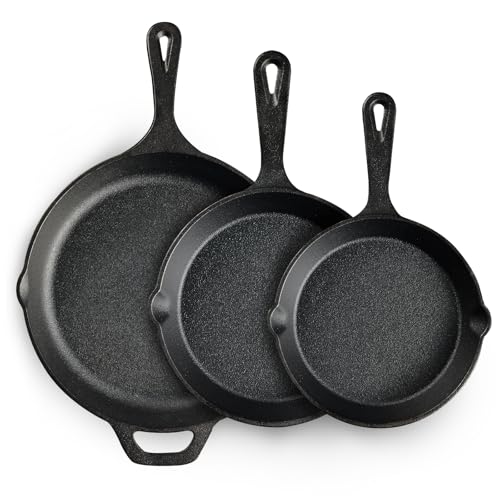
Lodge 10.25 Inch Cast Iron Skillet
A campfire skillet has to survive more than heat. It gets shoved onto grill grates, lifted with gloves, wiped down in poor lighting, and sometimes packed away while everyone’s still chasing the last bit of daylight. That’s where best cast iron cookware for camping starts to feel less like a nice idea and more like a practical choice. The Lodge 10.25 Inch Cast Iron Skillet brings a pre-seasoned surface, steady heat retention, and a simple one-pan format that works across the stove, oven, grill, and campfire without acting delicate.
Lodge Campfire Skillet
The shortened name, Lodge Campfire Skillet, fits this pan because its strength is straightforward outdoor cooking. A 10.25-inch skillet gives enough room for eggs, potatoes, burgers, vegetables, cornbread, or a small batch of campfire hash without turning every meal into a cramped shuffle. It isn’t a full cookware set, so it won’t replace a Dutch oven or griddle. Still, for one-pan meals, it hits a sweet spot between usable space and manageable handling.
The pan is made from cast iron seasoned with iron and oil, according to the provided details. That plain construction is part of its charm. There’s no synthetic coating to baby, no fragile nonstick layer to worry about over high heat, and no complicated care system beyond the usual cast iron routine. Around a campsite, simple gear tends to earn trust faster than fancy gear.
Lodge also states that this skillet is made without PFOA, PTFE, and PFAS. That detail matters for anyone trying to avoid synthetic nonstick coatings while still getting a cooking surface that improves with use. The seasoning won’t behave like slick modern nonstick on day one, but it can build character over time. Frankly, that slow improvement is part of why cast iron fans get attached to their pans.
Heat Control Around Fire And Grill Grates
Campfire cooking rarely offers polite, even heat. Flames flare, coals fade, and the grate always seems to sit slightly crooked. The Lodge skillet’s biggest strength is heat distribution and retention, which helps smooth out those annoying hot and cold spots. Once the pan warms up, it holds heat with the stubborn confidence cast iron is known for.
That steady heat is useful for browning food properly. Sausages, burger patties, onions, and sliced potatoes can develop better color because the pan doesn’t lose temperature too quickly when food hits the surface. A thin pan often panics under that load. This skillet stays calmer, which makes outdoor cooking feel less like damage control.
There’s a flip side, though. Cast iron takes time to preheat, and it doesn’t cool down in a hurry. Over an aggressive flame, the pan can get too hot and stay there, which may lead to sticking or scorching if the cook gets distracted. The better move is gentle preheating, steady coals, and small adjustments instead of chasing tall flames.
The skillet also moves well between different cooking spaces. Stove, oven, grill, and campfire use are all mentioned in the product details. That means the same pan can cook breakfast at camp, finish cornbread in an oven, or sear vegetables on a backyard grill. A single piece doing several jobs always feels useful when storage space is tight.
Seasoning, Rust, And Real Care Habits
The pre-seasoned finish gives this skillet a useful head start. Lodge seasons the pan with 100% natural vegetable oil, so it arrives with a base layer already in place. That makes first use less intimidating, especially for anyone who doesn’t want to start from bare iron. Even so, pre-seasoned doesn’t mean maintenance-free.
Seasoning grows through cooking, cleaning, drying, and oiling. Fatty foods, repeated use, and careful heat control help the surface become more comfortable over time. Eggs may still need patience and enough oil early on. Cast iron asks for a relationship, not a one-night stand.
The provided description also mentions that a spot resembling rust may be oil that hasn’t fully carbonized. If actual rust appears, the recommended fix is cleaning with steel wool, drying, and re-seasoning with vegetable oil. That’s reassuring because rust can look scary, especially on new cookware. In most cases, surface recovery is part of cast iron ownership rather than a reason to panic.
Camp conditions make care more important. Morning dew, wet picnic tables, lake air, and rushed cleanup can all leave moisture behind. The skillet needs thorough drying before storage, and a thin coat of oil helps protect the surface. Skip that habit too often, and the pan will complain in the most cast-iron way possible.
Pros That Stand Out In Camp Cooking
The first major pro is durability. This skillet feels built for rougher environments where cookware gets stacked, bumped, and exposed to high heat. A coated pan might make eggs easier at first, but open-flame cooking can be rough on delicate surfaces. Cast iron feels more at home near smoke, coals, and grill grates.
The second pro is versatile cooking range. The product details list searing, sautéing, baking, broiling, braising, frying, and grilling. That range makes sense for a 10.25-inch skillet because it can handle direct-contact cooking and oven-style recipes. Cornbread, skillet biscuits, fried potatoes, steaks, vegetables, and simple camp desserts all fit into its wheelhouse.
The third pro is the pan’s Made in USA background and Lodge’s family-owned history dating back to 1896, as provided in the description. That doesn’t automatically make food taste better, of course. But it does add a sense of continuity to a product category that already feels rooted in old-school cooking. Some cookware feels disposable; this one gives off a very different vibe.
A separate home airflow topic sometimes comes up around indoor comfort and seasonal maintenance, and a neutral reference appears in best furnace air filter without changing the focus of this cast iron skillet review. The skillet itself stays firmly centered on campfire usability, even heating, and long-term cooking habits.
Cons That Deserve A Fair Look
The most obvious drawback is weight. A cast iron skillet is heavier than aluminum, carbon steel, or many stainless pans of similar size. That weight feels fine near a car, cabin, RV, or backyard fire pit. It feels much less charming on a long hike to a remote campsite.
The second limitation is the learning curve. Heat management matters, seasoning care matters, and food release depends on oil, temperature, and technique. Anyone expecting a synthetic nonstick experience may get frustrated. Cast iron rewards patience, but it doesn’t flatter rushed cooking.
The 10.25-inch size also creates boundaries. It’s roomy enough for small to medium meals, but bigger camp groups may need batch cooking. A pile of vegetables or several burger patties can crowd the surface quickly. For larger outdoor meals, a second pan, griddle, or Dutch oven may still be needed.
Hot handles are another practical issue. Cast iron transfers heat through the whole body, including the handle. The provided product name mentions a teardrop handle, but safe handling still requires mitts, hot pads, or thick gloves. Bare hands and hot iron are a bad little camp story waiting to happen.
Best Uses And Realistic Fit
The Lodge Campfire Skillet shines during simple meals that need strong browning and steady heat. Breakfast potatoes, bacon, sausages, grilled onions, burgers, and skillet cornbread all make sense here. It also handles quick sautéed vegetables when the heat is managed carefully. That makes it a dependable single pan for everyday campsite cooking.
It’s less suited for liquid-heavy meals that need depth. Soup, chili, and stew belong in a Dutch oven or deeper pot. This skillet can braise small portions, but it isn’t designed to replace deeper cookware. That distinction matters if camp menus lean toward slow, saucy meals.
The pan also fits home use nicely after the trip ends. Stovetop searing, oven baking, grill cooking, and broiling give it more daily usefulness than gear that only leaves the garage once a season. That home-to-camp flexibility helps justify the maintenance routine. A pan used often usually seasons better than one forgotten in a storage bin.
As a reviewer, I’d call the Lodge 10.25 Inch Cast Iron Skillet a practical pick for people who care more about durable heat performance than lightweight convenience. As a camp cook, I’d respect it for breakfast, searing, and fireside meals that don’t need a deep pot. As the person cleaning up afterward, I’d still want warm water, a towel, and oil close by. That’s the bargain: more care than a basic pan, but much better staying power around real heat.

Top Rated Best Quality Range Hoods: 2026 Expert Picks
The 12 Best Small Solar Generators 2026

10 Best Quality Semi Automatic Washing Machine of 2026 For Leak-Free Laundry

11 Best Small Washer Machine of 2026 For Everyday Laundry

12 Best Vibration Pads For Washing Machine of 2026 To Stop Walking and Shaking

11 Best Selling Front Load Washing Machine of 2026 For Quiet Odor-Free Laundry

11 Best Washing Machine For King Size Bedding of 2026 To Prevent Cycle Errors

10 Best Small Front Loader Washing Machine of 2026 For Tight Closets






