
Best All Clad Cookware for Gas Stove 2026 Picks

Best all clad cookware for gas stove setups should respond quickly when a burner is turned up, yet settle down before butter scorches or a delicate sauce splits. Gas flames deliver immediate heat, but they can also create hot rings around the outer base of a thin pan. Fully clad stainless steel helps spread that energy across the cooking surface, making browning more predictable and temperature adjustments easier to manage. That steadier response matters during ordinary dinners, not just fussy recipes.
All-Clad offers several collections, and the differences aren’t merely cosmetic. The familiar D3 stainless steel construction uses three bonded layers, giving it a practical balance of heat response, durability, and manageable weight. Five-ply lines such as D5 feel heavier and take a little longer to react, but their calmer heat changes can help with slow reductions, pan sauces, and longer stovetop cooking. Copper-core pieces respond faster, though the higher price makes the most sense for cooks who regularly prepare temperature-sensitive food.
Pan shape deserves just as much attention as the metal. A 10-inch or 12-inch skillet gives food enough room to brown instead of steaming in crowded juices, while a 3-quart saucepan handles grains, reheating, and smaller batches without feeling oversized. A sauté pan brings straight sides and a broad base, which helps contain splatter while preserving plenty of contact with the flame-heated surface. Buying useful pieces individually can beat paying for a large set filled with sizes that rarely leave the cabinet.
There are tradeoffs, of course. Stainless steel won’t behave like nonstick cookware, so cold food dropped into a barely warmed pan may cling stubbornly. Preheating over medium heat, adding oil after the pan warms, and letting meat release naturally make a noticeable difference. All-Clad handles can also feel narrow or sharply angled in some hands, and larger pans become tiring once they’re loaded with food.
Gas burners may leave discoloration or dark marks on exposed stainless steel, especially when flames climb beyond the base. Keeping the flame under the pan protects the sidewalls, wastes less fuel, and reduces scorched residue around rivets. Bar Keepers Friend or a similar stainless steel cleanser can remove rainbow stains and cooked-on marks, though routine washing with warm water and a soft sponge is easier on the finish. For a practical everyday setup, D3 usually hits the sweet spot, while D5 or Copper Core suits more specific cooking habits and a roomier budget.
- TAR Score9.6
TAR Score is a ranking system developed by TopAppliancesReviews.com. TAR score has no relationship or impact from any manufacturers or sales agent websites. Learn more
- BrandAll-Clad

- TAR Score9.6
TAR Score is a ranking system developed by TopAppliancesReviews.com. TAR score has no relationship or impact from any manufacturers or sales agent websites. Learn more
- BrandAll-Clad

- TAR Score9.2
TAR Score is a ranking system developed by TopAppliancesReviews.com. TAR score has no relationship or impact from any manufacturers or sales agent websites. Learn more
- BrandAll-Clad

- TAR Score9.0
TAR Score is a ranking system developed by TopAppliancesReviews.com. TAR score has no relationship or impact from any manufacturers or sales agent websites. Learn more
- BrandAll-Clad

- TAR Score9.0
TAR Score is a ranking system developed by TopAppliancesReviews.com. TAR score has no relationship or impact from any manufacturers or sales agent websites. Learn more
- BrandAll-Clad

- TAR Score9.0
TAR Score is a ranking system developed by TopAppliancesReviews.com. TAR score has no relationship or impact from any manufacturers or sales agent websites. Learn more
- BrandAll-Clad

- TAR Score9.0
TAR Score is a ranking system developed by TopAppliancesReviews.com. TAR score has no relationship or impact from any manufacturers or sales agent websites. Learn more
- BrandCuisinart
Last update on 2026-08-14 / Affiliate links / Images, Product Titles, and Product Highlights from Amazon Product Advertising API
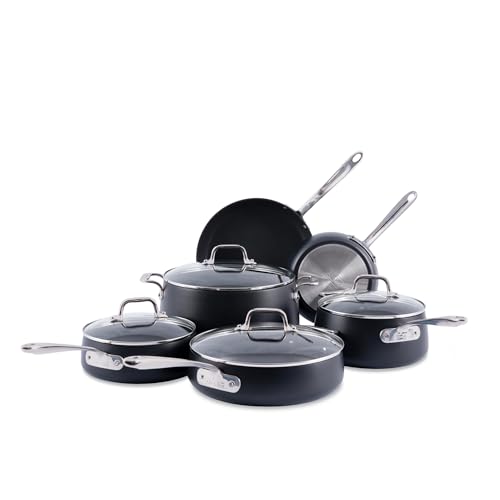
All-Clad HA1 Expert 10-Piece Cookware Set
A lively gas burner can turn a calm dinner into a juggling act, especially when a lightweight pan heats unevenly or food starts sticking before the sauce is ready. The best all clad cookware for gas stove use should offer steady heat, practical control, and cookware sizes that make sense for ordinary meals rather than showroom display. All-Clad’s HA1 Expert set takes a different route from the brand’s fully clad stainless collections, pairing hard-anodized aluminum with a reinforced stainless steel base and a PTFE nonstick cooking surface. That mix favors easy release and simpler cleanup, though it brings a few care rules and durability tradeoffs worth understanding before putting it over an open flame.
All-Clad HA1 Expert 10-Piece Set
The collection covers most routine stovetop jobs without stuffing the cabinet with oddball pieces. It includes 8-inch and 10-inch frying pans, 2.5-quart and 3.5-quart saucepans with lids, a 4-quart sauté pan with a lid, and an 8-quart stockpot with a lid. Those sizes move naturally from scrambled eggs and grilled sandwiches to pasta, soup, braised chicken, and family-sized batches of chili. The smaller skillet may feel cramped for a full dinner, but it earns its keep during breakfast or while toasting spices and nuts.
The 10-inch frying pan will likely see the most action because it gives two portions of protein enough breathing room without becoming awkward on a standard burner. Meanwhile, the 4-quart sauté pan brings straight sides and a broad cooking surface, helping contain splatter while leaving room for shallow frying, one-pan pasta, or a sauce that needs reducing. That shape is more useful than another saucepan in many kitchens, particularly when several ingredients need to stay in one layer. Loaded with food, though, it can feel substantial, so the helper handle becomes more than decorative trim.
The 8-quart stockpot is a sensible size for boiling pasta, preparing broth, or feeding a larger table, but it requires generous storage space. Its tall profile may also crowd a low range hood, especially with the lid in place. Tempered glass lids let steam and bubbling remain visible, which cuts down on unnecessary lifting and heat loss. Glass adds weight and collects water spots, yet the visibility is genuinely handy when rice, sauces, or soups are moving toward a boil.
Gas Stove Heat And Nonstick Performance
Hard-anodized aluminum responds quickly to changes at the burner, a useful trait on gas because the flame reacts the instant the knob moves. The reinforced base helps the pan sit more steadily while spreading heat across the bottom, reducing the sharp hot ring that thin aluminum cookware can develop. Even heating makes pancakes brown with fewer pale patches and gives onions a better chance to soften without scorching at the edges. Flame size still matters, since letting fire climb around the sidewalls can overheat the exterior and shorten the life of the nonstick coating.
The PTFE surface releases eggs, delicate fish, and sticky sauces with less fuss than bare stainless steel. A modest amount of butter or oil is usually enough, and food tends to slide rather than tear during turning. That easy-release surface lowers the learning curve for quick breakfasts and weeknight cooking, especially after a long day when nobody feels like nursing a stubborn skillet. Still, nonstick cookware isn’t meant for constant high-flame searing, so cooks chasing a deep steak crust may get better results from stainless steel or cast iron.
Gas heat can be aggressive, and that’s where restraint pays off. Medium heat handles most sautéing and frying jobs because aluminum transfers energy quickly, while low heat is often enough for reheating sauces or melting cheese. The cookware is rated for oven use up to 500°F, giving the pans room to move from burner to oven for baked pasta, frittatas, or chicken finished under controlled heat. The glass lids stop at 350°F, so leaving them on during hotter oven cooking would exceed their stated limit.
The stainless steel base also makes the set compatible with induction, along with gas and electric stovetops. That broader compatibility may not matter today, but it prevents the cookware from becoming obsolete after a future appliance change. On gas, the base contributes warp resistance, although no pan is immune to damage from thermal shock. Running a hot pan under cold water can still stress the metal, so a brief cooling period is the smarter habit.
Handling, Cleaning, And Daily Wear
Contoured stainless steel handles give the set a cleaner, more polished look than molded silicone grips. They’re double riveted to the cookware, adding a secure connection for lifting and maneuvering. The comfort-grip design should feel stable during ordinary use, though bare metal handles can become warm near a powerful gas flame or during oven cooking. A dry towel or oven mitt remains the safe bet rather than assuming every section of the handle will stay cool.
Dishwasher compatibility sounds convenient, and the set is officially described as dishwasher safe. Even so, repeated exposure to strong detergent and high drying heat can be rough on nonstick surfaces over the long haul. Hand washing with dish soap and a soft sponge takes only a few minutes when food hasn’t been burned onto the pan. Skipping abrasive pads also preserves the smooth interior and keeps minor scratches from becoming larger worn patches.
Utensil choice matters more than many people expect. Silicone, nylon, and wooden tools won’t scrape the coating during stirring or flipping, while metal spatulas and sharp-edged tongs can leave marks that don’t disappear. The scratch-resistant construction offers more resilience than flimsy nonstick cookware, but scratch resistant doesn’t mean scratchproof. Stacking the pans with cloth protectors or paper towels between them also prevents the metal base of one piece from grinding against the cooking surface of another.
Dark exteriors can show grease haze and burner residue, particularly after cooking over an open flame. Keeping the burner centered and the flame beneath the base limits discoloration and prevents unnecessary heat from licking up the sides. The sleek black finish looks tidy beside modern appliances, but maintaining that look takes occasional attention around rivets and lower edges. Routine hand cleaning is easier than removing a thick layer of cooked-on oil several weeks later.
Practical Strengths And Noticeable Weaknesses
The biggest strength is convenience without the flimsy feel associated with bargain nonstick sets. The hard-anodized body, stainless base, and riveted handles create a sturdier package for daily cooking, while the assortment covers frying, boiling, sautéing, and larger-batch meals. Broad stovetop compatibility also gives the collection flexibility across gas, electric, and induction ranges. Designed in Canonsburg, Pennsylvania, and manufactured in China, the set carries a limited lifetime warranty under the manufacturer’s stated terms.
Another advantage is the balance between heat response and control. Gas burners reward cookware that reacts promptly, and aluminum doesn’t keep charging ahead for long after the flame is lowered. The responsive construction helps rescue a sauce that’s beginning to simmer too hard or keeps butter from browning faster than expected. Five-ply stainless cookware may hold heat more steadily, but it generally demands more technique to prevent sticking and often weighs more.
The main weakness sits right in the feature that makes the set appealing: the nonstick coating has a finite service life. Careful washing and soft utensils can extend it, but no PTFE cooking surface stays factory-smooth forever. High heat, aerosol cooking sprays, metal tools, and rough stacking speed up wear, making maintenance habits central to long-term value. Buyers expecting cookware that can be scrubbed aggressively or handed down for generations may be happier with uncoated stainless steel.
The set also lacks a 12-inch skillet, which could frustrate anyone cooking several burgers, chicken pieces, or pancakes at once. Crowding the 10-inch pan traps moisture, leading to steaming rather than browning. A separate larger skillet may eventually become necessary, adding cost and another item to store. Separately, a relevant reference for copper-focused sets is nonstick copper cookware set guidance, which covers a different cookware category with its own heat and maintenance tradeoffs.
Pros And Cons In Real Kitchen Use
Pros: The set provides useful everyday sizes, quick heat response, easy food release, and compatibility with every major stovetop type. Its fry pans handle delicate foods with less sticking, while the sauté pan and stockpot widen the menu beyond basic breakfast cooking. Oven safety up to 500°F gives the metal pieces more range than many entry-level nonstick collections. Glass lids also make simmering easier to monitor without releasing steam every few minutes.
More strengths: Hard-anodized aluminum gives the cookware a firmer, more substantial feel than thin stamped pans. The stainless steel base supports induction use and helps the pieces resist warping under normal temperature changes. Double-riveted handles provide a dependable grip, and dishwasher compatibility offers a fallback after a particularly messy meal. The black contoured design looks restrained rather than flashy, fitting easily into kitchens with stainless or dark appliances.
Cons: The nonstick interior requires gentler treatment than bare metal cookware, limiting utensil choices and making high-flame searing a poor fit. Hand washing is the better preservation method even though dishwasher cleaning is allowed, so the advertised convenience comes with an asterisk. Metal handles and glass lids add weight, while the stockpot demands a fair amount of cabinet room. The missing 12-inch skillet may also leave the 10-inch pan overloaded during larger meals.
Realistic expectations: This set is built around smoother cooking and easier cleanup, not restaurant-style abuse or years of metal-utensil scraping. Moderate burner settings, properly sized flames, soft tools, and careful storage will shape how well the coating ages. The cookware suits eggs, fish, vegetables, sauces, pasta, and family dishes especially well, but intense steak searing belongs in another pan. Used within those boundaries, the HA1 Expert collection offers practical control on a gas range without turning every cleanup into a soaking session.
All-Clad HA1 Expert 13-Piece Nonstick Cookware
A crowded stovetop can turn dinner into a balancing act, especially when one skillet is too small, another pot heats unevenly, and cleanup waits like an unpaid bill. This 13-piece collection tackles those everyday headaches with several useful pan sizes, a responsive aluminum body, and a nonstick interior built for easier food release. The best all clad cookware for gas stove needs to react quickly when the flame changes, and this set’s hard-anodized construction is well suited to that kind of direct heat. Still, it isn’t cookware meant for careless high-temperature searing or rough metal utensils, so the benefits depend heavily on how it’s handled.
All-Clad HA1 Expert 13-Piece Set
The assortment feels more complete than many bundled sets because it includes 8-inch, 10-inch, and 12-inch frying pans. The smallest skillet handles eggs, melted butter, or a single grilled sandwich without wasting burner space. The 10-inch pan works for everyday portions, while the 12-inch model gives chicken pieces, burgers, and pancakes enough room to brown instead of steaming in a crowded surface. That third skillet isn’t filler; it solves one of the most common frustrations found in smaller cookware packages.
Two covered saucepans, measuring 2.5 quarts and 3.5 quarts, cover a useful range of stovetop jobs. The smaller one suits oatmeal, sauces, reheating, and modest portions of rice, while the larger pan can manage vegetables, grains, or a side dish for several plates. Tempered glass lids make it easier to watch bubbling and reduction without repeatedly releasing heat. They do add weight, though, and water spots may become visible if the lids are left to air-dry.
The 4-quart sauté pan brings a broad base and straighter sides, making it practical for braised chicken, shallow frying, saucy pasta, and one-pan meals. A separate 4-quart soup pot offers more depth for stews, beans, or smaller batches that don’t justify pulling out the stockpot. Then there’s the 8-quart stockpot, sized for pasta, broth, corn, or a larger pot of chili. Storage is the obvious catch, since several wide pieces and five lids can crowd a narrow cabinet rather quickly.
Heat Response Over Gas Flames
Gas burners respond immediately to knob adjustments, and hard-anodized aluminum keeps up with those quick changes better than slower, heavier materials. Lower the flame, and the pan begins calming down without holding an excessive amount of residual heat. Raise it, and the cooking surface warms without an overly long delay. That responsiveness helps with foods such as eggs, sauces, and vegetables, where a few extra seconds of heat can shift the result from browned to burned.
The optimized stainless steel base reinforces the cookware and supports even, consistent heating. It also improves resistance to warping, an important detail when pans move between stovetop and oven use. Even so, no reinforced base excuses thermal shock. Pouring cold water into a hot pan or placing it beneath a cold faucet can stress the metal and may gradually affect its shape.
Flame size matters just as much as pan construction. A burner that reaches around the base and licks the sidewalls wastes heat, warms the handles, and may leave stubborn marks on the black exterior. Keeping the flame beneath the bottom supports better heat control and protects the nonstick coating from unnecessary exposure. Medium heat will handle most frying and sautéing because aluminum conducts heat efficiently.
The three frying pan sizes also make burner matching easier. An 8-inch skillet belongs over a smaller flame, while the 12-inch pan benefits from a wider burner that can heat more of its base. Poor matching may create a hot center with cooler outer edges, especially during browning. Proper placement gives the reinforced base a better chance to distribute heat evenly across the food.
Nonstick Performance And Cooking Range
The PTFE nonstick interior is designed to make fragile or sticky foods less troublesome. Eggs can release without tearing, fish fillets are easier to turn, and cheese or sugary sauces leave less residue behind. This easy-release surface also means less oil may be needed for many everyday dishes. That can make quick breakfasts and weeknight meals feel less fussy, particularly when nobody wants to scrape a skillet after eating.
Nonstick cookware still benefits from basic technique. A short preheat, moderate burner setting, and suitable amount of fat usually produce better texture than dropping cold food into a barely warmed pan. The surface is especially comfortable with pancakes, vegetables, fish, sauces, and reheating. For a deeply seared steak or a pan sauce built from browned fond, uncoated stainless steel or cast iron remains the more natural tool.
Scratch resistance provides extra durability, but it doesn’t make the coating indestructible. Silicone, nylon, and wooden utensils are the safer choices because their edges won’t scrape the interior during stirring or flipping. Metal forks, sharp tongs, and thin steel spatulas can leave marks that accumulate over time. The long-term condition of the coating will depend more on daily habits than on the scratch-resistant label alone.
Aerosol cooking sprays may also leave behind a sticky film that ordinary washing doesn’t always remove easily. Regular cooking oil, butter, or a light brush of fat is simpler to control and less likely to build up in thin layers. High heat should also be avoided unless the cooking method genuinely requires it. Nonstick coatings last longer when they aren’t repeatedly pushed beyond the temperatures needed for ordinary food preparation.
Handling, Lids, And Oven Limits
Double-riveted stainless steel handles give the cookware a secure, solid connection. Their contoured shape is designed for a steadier grip while lifting, tilting, or carrying a filled pan. The secure handle design becomes especially useful with the sauté pan and stockpot, which can become heavy once food and liquid are added. Bare stainless steel may become warm near a strong gas flame, so a dry towel or oven mitt still belongs nearby.
The cookware is oven safe up to 500°F, widening the range of meals it can handle. A skillet can move from stovetop browning to oven finishing for frittatas, chicken, baked pasta, or other dishes that benefit from surrounding heat. That flexibility reduces the need to transfer food into a separate baking vessel. It also means fewer dishes waiting in the sink after dinner.
The tempered glass lids have a lower oven limit of 350°F. That distinction matters because the pan may tolerate a hotter oven than the lid sitting on top of it. Removing the lid before higher-temperature cooking prevents accidental misuse. Glass lids also make simmering easier to monitor, although sudden temperature changes should be avoided.
Large pieces require a bit of muscle, particularly the 12-inch frying pan, soup pot, and stockpot. Their weight will increase considerably once filled, and the stainless handles don’t provide the cushioned feel of silicone grips. That’s not necessarily a flaw, but it is a handling tradeoff worth considering. Secure rivets help, yet comfortable lifting still depends on grip strength and careful positioning.
Cleaning And Everyday Maintenance
The set is dishwasher safe, which offers a useful fallback after a messy meal. Still, the manufacturer recommends washing with soap and a sponge to preserve the nonstick interior. Gentle hand washing limits exposure to strong dishwasher detergent and repeated high-temperature drying cycles. Since food generally releases easily, cleaning by hand shouldn’t require prolonged soaking or aggressive scrubbing.
A soft sponge is the right tool for routine cleanup. Steel wool, abrasive pads, and harsh powders can scratch or dull coated surfaces, even if the cookware feels sturdy. Grease around rivets may need a little extra attention, especially after shallow frying. Wiping splatters before they bake onto the exterior makes that job much easier.
Stacking is convenient, but unprotected cookware can rub against the nonstick surface below. Pan protectors, soft cloths, or folded paper towels create a simple barrier between pieces. This small habit supports coating longevity and keeps the stainless base of one pan from scuffing another pan’s interior. The added step takes seconds and may prevent a lot of needless wear.
Gas burners can leave soot, grease haze, or discoloration around the lower walls of a pan. Centering the cookware and keeping flames beneath the base helps reduce those marks. The black finish hides some discoloration better than polished stainless steel, though oily residue may still show under bright kitchen lighting. Regular cleaning is easier than tackling a thick, baked-on layer after several weeks.
Practical Strengths And Noticeable Limits
The set’s strongest feature is its well-rounded assortment. Three frying pans reduce crowding, while the saucepans, sauté pan, soup pot, and stockpot cover a wide range of meal sizes. That flexibility makes it possible to cook breakfast, sauces, pasta, soups, and one-pan dinners without repeatedly reaching for the same undersized vessel. The inclusion of lids for the deeper pieces also supports simmering and moisture control.
Broad stovetop compatibility adds another practical advantage. The optimized stainless steel base allows the cookware to work on gas, electric, and induction surfaces. That all-stovetop compatibility may be useful after a kitchen remodel or future appliance change. The collection is also designed in Canonsburg, Pennsylvania, manufactured in China, and covered by a limited lifetime warranty under the maker’s terms.
The primary weakness is the finite life of any PTFE nonstick surface. Gentle utensils and moderate heat may extend its usefulness, but the coating won’t tolerate decades of scraping, overheating, and abrasive cleaning like bare stainless steel. The set also takes up considerable storage room and includes several large pieces that may feel bulky in a small kitchen. Those maintenance and space limitations are the price paid for broader cooking coverage and easier food release.
Material choice shapes cooking behavior, and uncoated cookware follows a different set of rules. From a practical material angle, a related reference appears in 18/10 stainless steel cookware guidance, which addresses cookware built for stronger searing and more aggressive utensil use. The HA1 Expert set instead favors moderate flames, gentler tools, and meals where sticking creates more frustration than fond adds value. That distinction matters far more than whether both options carry a polished stainless component somewhere in their construction.
All-Clad D5 Stainless Steel Core 10-Piece Set
Uneven browning, scorched sauce edges, and pans that buckle over a strong flame can turn a promising meal into a fiddly mess. All-Clad’s five-ply stainless construction takes aim at those problems with a steel core designed to spread heat steadily across the cooking surface. For anyone weighing the best all clad cookware for gas stove use, the D5 set brings controlled heat distribution, durable stainless steel, and the freedom to move from burner to broiler. It asks more from the cook than nonstick cookware does, but the payoff is stronger searing, better fond, and fewer worries about coating wear.
All-Clad D5 Stainless 10-Piece Set
The set covers the everyday basics without wandering into rarely used specialty pieces. It includes 8-inch and 10-inch fry pans, 1.5-quart and 3-quart saucepans with lids, a 3-quart sauté pan with a lid, and an 8-quart stockpot with a lid. That lineup handles eggs, sauces, grains, pasta, soup, braised dishes, and stovetop-to-oven meals without overloading the cabinet. The missing 12-inch skillet may still be noticeable during larger dinners, especially when several portions need room to brown.
The 1.5-quart saucepan suits melted butter, small batches of oatmeal, reheating, and sauces that don’t need much headroom. Its larger 3-quart companion handles rice, vegetables, and medium portions without forcing the stockpot into service. Both covered saucepans benefit from flared rims, which help guide liquids into a bowl or measuring cup with fewer drips down the outer wall. That sounds like a small detail until hot soup runs toward a handle or sauce stains the stovetop.
The 3-quart sauté pan adds a broad base and straight sides, making it better suited to shallow frying, braising, and saucy dishes than a sloped skillet. Its lid helps retain moisture during longer cooking, while the wide floor leaves room for ingredients to sit against the metal. The 8-quart stockpot handles pasta, broth, corn, and larger batches, though its size demands a sturdy shelf and a generous sink. Useful capacity is a clear strength here, but compact kitchens may need to rethink storage before the box arrives.
Five-Ply Heat Control On Gas
D5’s patented five-ply build uses alternating layers with a steel core to moderate how heat moves through the pan. Gas burners can create concentrated rings of heat, especially on smaller burners or under wide cookware, so even heating matters beyond marketing language. The extra layers help soften those harsh hot spots and make temperature changes feel more gradual. That calmer response suits sauces, long sautés, and foods that punish sudden spikes.
The steel core makes D5 less twitchy than lighter tri-ply cookware. A quick turn of the gas knob won’t change the pan’s behavior quite as abruptly, which can be reassuring during a reduction or a slow sauté. On the flip side, slower thermal response means the pan may take longer to heat and longer to cool after the flame drops. Cooks who enjoy fast, sharp adjustments may need a few meals to settle into its rhythm.
Burner size still deserves attention, even with a well-built base. A small flame under a large fry pan can leave the center working harder than the edges, while flames climbing the sidewalls waste heat and warm the handles. Centering the cookware and keeping the flame beneath the base supports steady gas-stove performance. The construction helps, sure, but good burner habits still carry their share of the load.
Warp resistance is another practical benefit of the stainless exterior and layered body. Gas stoves can deliver intense heat quickly, and thinner pans may distort after repeated overheating or abrupt cooling. D5 is engineered to remain stable under normal use, though no cookware should be plunged hot into cold water. Thermal shock is avoidable, and a short cooling period protects both the pan and the cook.
Searing, Deglazing, And Daily Technique
The stainless steel cooking surface is built for browning rather than effortless release. Meat can develop a darker crust, vegetables can pick up caramelized edges, and the browned bits left behind become the start of a pan sauce. That fond-building ability is one of D5’s clearest advantages over coated cookware. It also means the pan may stick when heat, oil, or timing is off.
Preheating over medium heat helps the surface behave more predictably. Add oil after the pan warms, place dry food into the fat, and give it time to release naturally before forcing a turn. That sequence reduces frustration with chicken, fish, and eggs, though delicate foods still demand patience. Technique matters here, and the cookware won’t hide rushed habits the way nonstick can.
The 8-inch fry pan works well for a small portion, while the 10-inch pan has enough room for two steaks, several cutlets, or a larger batch of vegetables. Crowding either pan traps steam and interferes with browning, so batch cooking may still be necessary. The 3-quart sauté pan handles larger saucy meals more comfortably because its straight walls contain splatter and liquid. Pan shape changes the result as much as the number printed on the box.
Flared edges make pouring sauces and reductions cleaner, especially after deglazing. A splash of stock or wine can loosen the fond, and the even heat helps the liquid reduce without one narrow area racing ahead. Stainless steel also tolerates whisking and metal utensils without the coating concerns found in nonstick pans. That utensil freedom is useful in busy kitchens where wooden spoons and silicone tools aren’t always within reach.
Handles, Oven Range, And Build Quality
Oversized, double-riveted stainless steel handles give each piece a secure connection and a firm lifting point. Their length helps keep hands farther from the flame, though the metal can still become warm during extended stovetop cooking. The secure grip is reassuring with a loaded sauté pan or stockpot, but smaller hands may find the handles broad and somewhat demanding. A towel or mitt remains sensible around hot cookware.
The set is oven and broiler safe up to 600°F, which opens the door to high-temperature finishing. Steaks can move beneath the broiler, braises can continue in the oven, and skillet dishes can brown on top without changing vessels. That rating gives D5 more heat tolerance than many coated collections. It also supports recipes that start on a gas flame and finish under stronger surrounding heat.
Compatibility extends across gas, electric, and induction stovetops. The magnetic stainless exterior makes induction use possible, while the five-ply body remains equally relevant over an open flame. This all-stovetop flexibility protects the purchase from becoming tied to one appliance type. A future kitchen change won’t automatically send the set into storage.
All-Clad states that the cookware is made in the United States with global components at its Canonsburg, Pennsylvania factory. The brand also describes third-party safety testing, five decades of manufacturing experience, and a limited lifetime warranty. Those details support the set’s long-term positioning, though warranty coverage still depends on the stated terms and proper use. Built to last doesn’t mean immune to neglect, overheating, or impact damage.
Cleaning, Weight, And Real Tradeoffs
Handwashing is recommended, and that advice fits the brushed stainless finish. Warm water, dish soap, and a nonabrasive sponge handle routine residue, while stuck-on food often loosens after a brief soak. Stainless steel cleaner can help with rainbow discoloration or cloudy marks caused by heat and minerals. Cleanup takes more effort than wiping a nonstick skillet, especially after aggressive searing.
The brushed exterior hides minor marks better than a mirror-polished surface, but it can still show fingerprints, grease, and heat tint. Gas flames that extend beyond the base may leave discoloration around the lower sidewalls. Keeping the burner appropriately sized reduces those marks and saves fuel at the same time. Appearance maintenance isn’t difficult, though spotless cookware requires regular attention.
Five-ply cookware carries extra weight, and that heft becomes obvious once food and liquid are added. The stockpot and sauté pan may feel cumbersome during draining, tilting, or transfer from stove to oven. That substantial build supports stability and heat control, but it won’t suit every wrist or cooking style. Lighter cookware feels quicker in hand, while D5 feels planted and deliberate.
The unrelated topic in the supplied path doesn’t belong inside a cookware recommendation, so it works only as a separate neutral reference. In a different household-planning discussion, information about washing machines suited to solar power concerns appliance energy use rather than cookware construction. D5’s own value rests on five-ply heat control, stainless steel durability, and high-temperature versatility. Its weaknesses remain equally plain: added weight, a learning curve for sticking, slower response, and more demanding cleanup than coated pans.
All-Clad D3 Stainless Steel 10-Piece Cookware Set
Fast flames can expose a pan’s weak spots before the onions have even softened. Thin cookware may scorch around the burner ring, wobble after repeated heating, or force constant knob adjustments just to keep dinner on track. The best all clad cookware for gas stove use needs quicker heat response without giving up stability, and the D3 collection tackles that balance with a fully bonded tri-ply body. It’s a serious stainless steel set with plenty of cooking range, though its polished surface, traditional handles, and lack of nonstick coating won’t suit every routine.
All-Clad D3 Stainless 10-Piece Set
The assortment includes 8-inch and 10-inch fry pans, 2-quart and 3-quart saucepans with lids, a covered 3-quart sauté pan, and an 8-quart stockpot with a lid. Those pieces cover most daily jobs without padding the box with tiny specialty pans that gather dust. Breakfast, rice, pasta, sauces, braised chicken, soup, and stovetop-to-oven meals all have a logical vessel. The absence of a 12-inch skillet may still pinch during larger dinners, but the lineup remains practical rather than bloated.
The smaller saucepan earns its keep with oatmeal, melted butter, reheated soup, and modest batches of sauce. Its 3-quart partner gives grains and vegetables more room, while the 3-quart sauté pan brings straight sides that contain splatter and hold liquid better than a sloped skillet. That shape also works well for chicken thighs, shallow frying, and one-pan meals. Loaded with food, however, it becomes noticeably heavier than a basic aluminum pan.
The 8-quart stockpot handles pasta water, broth, corn, and family-sized soup without feeling undersized. Its capacity is useful, but it also requires a deep cabinet and enough sink space for handwashing. The lids add flexibility for simmering and moisture control, though their stainless steel construction doesn’t offer the visual access of glass. Useful sizing is one of this set’s strongest points, provided storage isn’t already tight.
Tri-Ply Heating Over Gas Flames
D3 cookware bonds a responsive aluminum core between stainless steel layers, allowing heat to move across the bottom and sidewalls. That construction helps soften the concentrated heat produced by a gas burner, especially during sautéing or sauce work. The aluminum core reacts more quickly than heavier five-ply cookware, so burner changes don’t feel delayed. A sauce beginning to bubble too aggressively can settle sooner once the flame is lowered.
Quick response doesn’t mean careless burner use suddenly becomes harmless. Flames that curl around the sidewalls waste fuel, heat the handles, and may leave discoloration on the polished exterior. Matching the burner to the pan supports more even heating and keeps the strongest heat beneath the cooking surface. The 8-inch skillet belongs over a smaller burner, while the 10-inch pan and stockpot need broader flame coverage.
The tri-ply body also feels less sluggish than All-Clad’s thicker D5 construction. That difference matters during eggs, sauces, vegetables, and other foods that can move from underdone to overcooked in a hurry. D3 still retains enough heat for browning, but it asks for more attention because temperature changes arrive relatively quickly. Responsive control is an advantage for an attentive cook and a possible learning curve for someone used to slow, heavy pans.
Searing And Stainless Steel Technique
The stainless steel interior excels at browning meat and vegetables because it doesn’t hide food from direct contact with the heated metal. Chicken skin can crisp, mushrooms can shed moisture and caramelize, and steak can leave behind the browned bits needed for a pan sauce. That fond-building ability separates D3 from coated cookware designed mainly around easy release. It also means food may stick if the pan is rushed or overheated.
Preheating over medium heat, adding oil after the surface warms, and drying food before it enters the pan all improve release. Meat often lets go naturally once a crust forms, so forcing it too early can tear the surface and leave more residue behind. Eggs and delicate fish require even more care, along with enough fat and a well-controlled flame. Cooking technique matters here, and stainless steel won’t cover up sloppy timing.
The polished surface tolerates metal whisks, spoons, and spatulas without the coating concerns associated with nonstick pans. Scratches may appear over time, but they don’t signal the loss of a fragile cooking layer. Deglazing with stock, wine, or water loosens browned residue and turns cleanup into part of the recipe. That utensil freedom suits busy kitchens where tools get grabbed quickly rather than chosen with coating protection in mind.
Handles, Pouring, And Oven Use
The classic riveted handles are shaped around a chef-style underhand grip. Their open channel helps the thumb and fingers maintain orientation while lifting or tilting a pan, especially during pouring. Some hands appreciate that secure geometry, while others may find the edges less cushioned than rounded consumer handles. Grip comfort is therefore a personal point rather than a universal strength.
Flared rims help sauces, broth, and cooking liquid leave the pan in a cleaner stream. That feature reduces drips down the exterior and makes transferring food into a serving bowl less awkward. It’s especially handy with the saucepans, where precise pouring comes up often. The drip-resistant edge is a modest design choice that proves useful far more often than decorative details do.
Every piece is oven and broiler safe up to 600°F, creating plenty of room for high-temperature finishing. A skillet can move from gas flame to broiler, and the sauté pan can carry a braise from stovetop browning into the oven without changing vessels. Compatibility also extends to electric and induction cooktops, so the set isn’t tied to one stove type. That flexibility protects the cookware’s usefulness if the kitchen setup changes later.
Cleaning And Long-Term Ownership
Handwashing is recommended, and the polished stainless finish rewards prompt cleanup. Warm water, dish soap, and a nonabrasive sponge handle routine residue, while stubborn food usually loosens after soaking. A stainless steel cleanser can remove heat tint, cloudy mineral marks, or cooked-on discoloration. Cleanup requires more effort than nonstick, particularly after hard searing, but the surface isn’t dependent on a coating that gradually wears away.
Gas flames may leave rainbow staining or darker marks around the lower walls, especially when the burner extends beyond the base. Those changes are mostly cosmetic, yet a mirror-like finish shows them more readily than brushed steel. Keeping the flame centered and wiping grease before it bakes on reduces the amount of polishing needed. Appearance maintenance can become a chore for anyone who expects every pan to stay showroom bright.
All-Clad states that D3 cookware is made in the United States with global components at its Pennsylvania factory. The set is described as precision engineered, third-party tested for safety, and backed by a limited lifetime warranty. Those points support its long-term durability, though warranty protection still depends on the manufacturer’s terms and proper use. Deep impact damage, thermal shock, and neglect remain outside what any sturdy pan can shrug off indefinitely.
Pros And Cons Worth Weighing
Pros: The tri-ply construction heats quickly, spreads energy through the bonded body, and responds well to gas burner adjustments. Stainless steel supports strong searing, deglazing, and metal-utensil use without a nonstick layer to preserve. The 600°F oven and broiler rating also gives the set more cooking range than many coated alternatives. Broad stovetop compatibility adds another practical benefit.
More strengths: The cookware selection covers essential jobs without relying on novelty pieces, while flared rims make pouring cleaner. Riveted handles provide a secure attachment, and the stockpot offers enough capacity for pasta or larger batches. The polished finish has a classic look that fits both modern and traditional kitchens. Professional-style construction is the real appeal, not a bundle of accessories.
Cons: Stainless steel asks for preheating, heat control, and patience, especially with eggs or delicate fish. The polished exterior shows fingerprints, gas marks, and heat discoloration more readily than darker or brushed finishes. D3 pieces also feel heavier than basic aluminum cookware, and the traditional handle shape may press uncomfortably into some palms. The missing 12-inch skillet can limit batch cooking for a larger table.
Realistic limitations: This isn’t the easiest set for someone who wants effortless release and a wipe-clean interior after every meal. It performs best with moderate flames, enough cooking fat, and a willingness to deglaze or soak stubborn residue. The supplied internal path covers an unrelated appliance topic, so it fits only as a separate household reference; from that broader home-equipment angle, apartment-size washing machine guidance deals with space-conscious laundry needs rather than cookware performance. D3’s own strengths remain rooted in fast heat response, durable stainless steel, and the broad cooking freedom of an uncoated surface.
All-Clad HA1 Hard Anodized Nonstick 10-Piece Set
A flickering gas flame can punish flimsy cookware fast, leaving eggs stuck in one spot while butter browns too aggressively in another. This set approaches that daily frustration with heavy-gauge aluminum, a stainless steel base, and a PTFE cooking surface designed for smoother release. Among options associated with the best all clad cookware for gas stove, the HA1 collection leans toward convenience rather than hard searing or restaurant-style abuse. It heats responsively, cleans without much drama, and covers common meal sizes, but the coating needs moderate temperatures and gentler utensils to age well.
All-Clad HA1 Nonstick 10-Piece Set
The package includes 8-inch and 10-inch fry pans, 2.5-quart and 3.5-quart saucepans with lids, a covered 4-quart sauté pan, and a covered 8-quart stockpot. That assortment handles breakfast, sauces, rice, vegetables, pasta, soup, and one-pan dinners without throwing in tiny novelty pieces. The 8-inch skillet suits a couple of eggs or a quick side, while the 10-inch pan has more room for chicken cutlets, fish, or several pancakes. A 12-inch skillet is missing, so bigger batches may need to be cooked in rounds.
The two saucepans offer a useful step in capacity rather than nearly identical sizes. A 2.5-quart saucepan can cover oatmeal, reheating, and smaller portions of grains, while the 3.5-quart vessel gives sauces and side dishes more breathing room. Tempered glass lids keep simmering food visible, reducing the urge to lift the lid every few minutes. That visibility is handy, though glass naturally adds weight and may collect water spots around the rim.
The 4-quart sauté pan may become the busiest piece in the set because its broad floor and straight sides support shallow frying, braising, saucy pasta, and skillet meals. The 8-quart stockpot handles pasta water, broth, chili, or corn without feeling cramped. Both covered pieces solve real cooking needs, but they also require generous cabinet space. Stacking can help, provided the nonstick interiors are protected from the metal bases resting above them.
Gas Flame Response And Heat Distribution
Heavy-gauge aluminum responds quickly to burner adjustments, which suits the immediate nature of gas heat. Turn the knob down, and the cookware begins easing off sooner than a thick cast-iron vessel would. That responsive heating helps with eggs, sauces, and vegetables that can cross from ready to scorched in short order. The stainless steel base reinforces the pan while helping distribute heat more consistently across the cooking surface.
Even construction can’t fix an oversized flame, though. Fire curling around the sides wastes energy, warms the handles, and may leave residue or discoloration on the black exterior. Keeping the flame beneath the base supports steadier cooking and reduces unnecessary heat exposure around the coating. Medium settings should handle most frying and sautéing because aluminum transfers burner energy efficiently.
Burner matching matters as well. The small fry pan belongs over a compact flame, while the 10-inch skillet and stockpot need broader coverage to avoid an overheated center and cooler perimeter. This simple habit improves temperature consistency and cuts down on constant food shuffling. The set’s base can spread heat, but sensible placement still does a lot of the heavy lifting.
Gas stoves also make rapid preheating tempting, and that’s where restraint pays off. An empty nonstick pan shouldn’t sit over a roaring flame while ingredients are being chopped across the kitchen. A brief warm-up over low or medium heat is enough for most meals. That gentler routine protects the PTFE surface while giving the aluminum body time to warm more evenly.
Nonstick Release And Cooking Technique
The PTFE interior targets foods that often cling to bare stainless steel. Eggs, fish, cheese, and sticky sauces release with less resistance, while a modest amount of butter or oil is generally enough for cooking. This easy-release surface can make hurried breakfasts and late dinners less frustrating. It also reduces the amount of cooked-on residue waiting in the sink afterward.
Nonstick doesn’t mean technique-free. Food still benefits from a short preheat, sensible burner control, and enough fat to support browning and flavor. The surface handles pancakes, vegetables, fish fillets, sauces, and reheating especially well. For a hard steak sear or a pan sauce built from dark fond, uncoated stainless steel or cast iron remains the more suitable material.
The coating is described as long-lasting, but daily habits determine how quickly wear appears. Silicone, nylon, and wooden tools are much kinder than metal forks, sharp tongs, or thin steel spatulas. The scratch-sensitive interior may tolerate an occasional accident, yet repeated scraping can shorten its useful life. Pan protectors also help during storage, especially when several pieces are nested together.
Aerosol cooking sprays can leave behind a stubborn film that becomes harder to remove over time. Regular oil or butter is easier to control and less likely to bake into a sticky layer. High heat should be reserved for cookware built to handle it without a coating. The HA1 set feels at home with moderate-temperature cooking, not prolonged empty heating or aggressive flame contact.
Handles, Glass Lids, And Oven Limits
Double-riveted stainless steel handles give the pans a secure connection and a clean, contoured appearance. Their length helps keep hands away from the hottest part of the burner, while the rigid construction provides better control during lifting and pouring. Still, metal handles can become warm, particularly near a large gas flame or after oven use. A dry mitt or folded towel belongs close by during longer cooking sessions.
The tempered glass lids make it easy to watch rice, sauces, and soups without repeatedly releasing steam. That’s a practical convenience rather than decorative fluff, especially when a pot is close to boiling over. The lids are oven safe up to 350°F, which is lower than the cookware’s stated limit. Forgetting that difference could expose the glass to more heat than intended.
The pots and pans are oven safe up to 500°F, allowing a skillet or sauté pan to move from stovetop cooking into the oven. Frittatas, baked pasta, chicken, and other dishes can finish without being transferred to a separate baking vessel. Broader stovetop compatibility includes gas, electric, and induction ranges. That flexibility keeps the collection useful even if the kitchen appliance changes later.
The larger vessels become noticeably heavier once filled. An 8-quart stockpot loaded with water isn’t a casual one-handed lift, and the sauté pan gains weight quickly with meat and sauce inside. The secure riveted grip helps, but grip strength and careful positioning still matter. Lightweight cookware is easier to toss around, while this set feels more planted on the burner.
Cleaning Habits And Everyday Upkeep
Dishwasher compatibility offers an easy fallback after a messy meal. Even so, the stated care guidance favors soap, a soft sponge, and hand washing to preserve the nonstick finish. Gentle cleaning avoids repeated exposure to strong detergent and high drying temperatures. Since food releases readily, most pans shouldn’t require aggressive scrubbing or an overnight soak.
Abrasive pads can damage the interior and dull the exterior, so they’re a poor match for this collection. Grease around the rivets may need extra attention, especially after shallow frying or cooking with splattering oil. Wiping fresh spills before they harden saves elbow grease later. The black exterior hides some marks, though dried grease can still show under bright kitchen lights.
Stacking deserves a little care because the stainless steel base of one pan can rub against the coated surface below. Soft cloths, felt protectors, or folded paper towels create a simple barrier. That small habit supports coating longevity without requiring extra shelving. Tossing the pieces together bare may save a few seconds but can leave avoidable scuffs.
Open flames sometimes leave soot or cooked-on haze around the lower walls. Centering each pan and keeping the burner below the base reduces those marks. From a separate household maintenance angle, information about water hammer arrestors for washing machines concerns plumbing shock rather than cookware performance. The HA1 set’s upkeep remains centered on controlled flames, soft utensils, prompt cleaning, and protected storage.
Strengths And Weaknesses In Daily Use
Strengths: The set combines quick heat response, broad stovetop compatibility, and smooth food release in a practical range of sizes. The sauté pan and stockpot support larger recipes, while the two fry pans handle smaller meals without wasting burner space. Oven use up to 500°F adds flexibility for stovetop-to-oven dishes. Glass lids also make simmering easier to monitor without disturbing the cooking environment.
More benefits: The stainless steel base reinforces the aluminum body and allows induction compatibility alongside gas and electric use. Double-riveted handles feel secure, and the contoured black design has a tidy, understated appearance. Designed in Canonsburg, Pennsylvania, and made in China, the set follows a construction approach built around everyday convenience. Its strongest appeal lies in reducing sticking and cleanup, not in mimicking fully clad stainless cookware.
Weaknesses: The PTFE surface requires softer utensils, moderate heat, and more careful storage than uncoated metal. A 12-inch fry pan isn’t included, which may lead to crowded cooking during larger meals. Metal handles can warm near gas flames, and the glass lids have a lower oven limit than the pans. Cabinet space may also become tight once the stockpot, sauté pan, two saucepans, and multiple lids are stored together.
Realistic expectations: This cookware favors eggs, fish, vegetables, sauces, pasta, soup, and meals where easy release matters more than an aggressive crust. It won’t replace stainless steel for hard searing or cast iron for prolonged high-heat cooking. Careful flame sizing and hand washing can help maintain the surface, but no nonstick coating stays new forever. The practical difference is clear: HA1 trades some high-heat freedom for simpler cooking and cleanup.


Top Rated Best Quality Range Hoods: 2026 Expert Picks

The 12 Best Small Solar Generators 2026

10 Best Quality Semi Automatic Washing Machine of 2026 For Leak-Free Laundry

11 Best Small Washer Machine of 2026 For Everyday Laundry

12 Best Vibration Pads For Washing Machine of 2026 To Stop Walking and Shaking

11 Best Selling Front Load Washing Machine of 2026 For Quiet Odor-Free Laundry

11 Best Washing Machine For King Size Bedding of 2026 To Prevent Cycle Errors

10 Best Small Front Loader Washing Machine of 2026 For Tight Closets






