
Are Washer Dryer Combos Good for Small Spaces?

She opens the closet where the laundry machines sit and sees there’s room for only one. A washer dryer combo can be a good fit for a small home, since it washes and dries clothes in one machine without moving the load.
The tradeoff is time and load size: drying can take longer, and a load may need to be smaller than the washer’s wash load. You’ll also need to wait for the full cycle to finish before starting another load in that machine. Before deciding, check whether its water, drain, and power connections fit your space, and whether it needs a vent to carry damp air outside. Here’s how those tradeoffs play out in daily life.
How a washer dryer combo handles a load
A washer dryer combo washes and dries clothes in the same machine, so you don’t have to move a wet load to a separate dryer. You put clothes in, choose a cycle, and take them out when the machine finishes. That can be a real space saver when your home has room for only one laundry appliance.
With separate machines, the washer can start another load while the dryer handles the first one. A combo usually can’t do that: the same drum has to wash and then dry the clothes. The next load waits until the full cycle is over, so laundry can take longer to move through your household.
Combos do wash and dry clothes, but drying performance and cycle length vary by model, load size, fabric, and chosen settings. A smaller load may be easier to dry than a packed drum. Check the manual for the model’s wash and dry limits, since the amount it can wash may not be the amount it can dry in one go.
Drying may also feel different from using a separate dryer. If clothes come out damp, the load may be too large for the drying setting, or some fabrics may need more time. Follow the manual’s load guidance and care labels, and avoid stuffing in extra clothes just to finish sooner.
What to expect from load size, drying time, and back-to-back laundry
A combo works best when you can do smaller loads and wait for each one to finish. Think about an ordinary laundry day: if you wash a few everyday outfits, the machine can handle the whole job without you being there to transfer clothes. If you need clean towels, bedding, and several outfits in quick succession, the wait may become frustrating.
There isn’t one cycle time that applies to every washer dryer combo. The full wash-and-dry cycle depends on the model, the selected settings, the fabric, and how much laundry is inside. Look in the manual or product details for cycle-time guidance, and remember that a cycle may take longer than washing alone.
You generally can’t wash one load while another load dries in a single-drum combo. The drum is occupied through both parts of the cycle. Separate machines offer more flexibility because one can wash while the other dries.
To keep the routine manageable, sort laundry by what needs to be ready first. Run a small load of work clothes or school uniforms ahead of a busy morning, rather than waiting until several full loads have piled up. If your household often needs to process multiple loads in a row, a combo may not keep up with your schedule.
Pay attention to the drying instructions for bulky items, too. Towels and bedding can take up much of the drum and may need more room to tumble freely. Check the manual before washing large items, and split the load if the machine’s guidance calls for it. A smaller load can mean fewer damp items at the end, even if it means doing laundry more often.
When a combo fits an apartment, RV, or small household
In a small apartment or tiny home, replacing two appliances with one can free up valuable floor space. That benefit matters most when you have a suitable place for the machine and don’t mind waiting for a full cycle. A renter should also confirm that the machine and its connections are allowed in the unit before buying.
An RV owner may value having washing and drying in one unit, but the RV’s space and connections need careful checking. Don’t assume a machine will fit just because it’s described as compact or intended for RV use. Measure the available area and confirm the model’s installation needs with the manufacturer and your RV provider.
A small household that does a few modest loads may find the one-machine routine convenient. A larger household, or anyone who regularly washes several loads at once, may prefer separate machines. The key question is not only whether the combo fits the room. It’s whether the amount of laundry you do fits the time you have.
Use this quick checklist before deciding:
- Load habits: Can you split large loads, and are you comfortable doing smaller loads more often?
- Timing: Can you wait for washing and drying to finish before starting the next load?
- Space: Is there enough room for the machine, its door, and the connections behind it?
- Installation: Do the water, drain, and power connections match the model’s instructions?
- Flexibility: Would you rather save space, or have a washer and dryer that can run at the same time?
If you answer yes to the first four and space is your main concern, a combo may suit your routine. If waiting for one load would hold up the next, separate machines may be a better match.
What to verify before you choose a model
Start by measuring the spot where the machine will sit. Check the listed width, depth, and height, then leave room for the door to open and for the connections behind the unit. Don’t rely on a product photo or the word “compact.” Compare your measurements with the model’s installation instructions.
Next, check the hookups. A hookup means the water, drain, and power connections a machine needs. Confirm that your space has the right water supply, a drain arrangement, and an electrical outlet for that specific model. Requirements vary, so use the product details and manual rather than assuming every combo connects the same way.
Find out whether the model needs a vent. A vent is a path that carries warm, damp air outside. Some combos need one and some don’t, so verify this in the installation instructions. If a vent is required, confirm that your home or RV can accommodate it before you buy.
Also check where the drain hose can go and whether the manufacturer allows that setup. A drain that cannot reach the approved location may make installation impractical. If you rent, live in a managed building, or plan to install a unit in an RV, get approval before making changes to walls, plumbing, or electrical connections.
Finally, compare the model’s wash and dry guidance with the laundry you actually do. Look for its stated capacity and any separate limit for drying. Check how the manual handles bulky items, delicate fabrics, and cleaning. For more context on what matters for long-term ownership, see this guide to what to look for in a reliable washing machine.
Stop and ask a qualified installer or electrician if you’re unsure whether the connections are suitable, if installation requires changing wiring or plumbing, or if you notice a damaged outlet, water leak, or burning smell. Don’t plug the machine into an unsuitable outlet or use a lightweight extension cord to make it reach. The correct setup protects your home and helps the machine work as intended.
Which kind of laundry setup suits your routine?
A washer dryer combo makes the most sense when one appliance needs to do both jobs and you can work around its full-cycle pace. It removes the wet-clothes transfer step and can leave more room for other things. The tradeoff is that you may need to keep loads modest and wait before starting another one.
Separate machines are usually more practical when you have space and want to move laundry through quickly. You can wash one load while another dries, which helps when several loads need attention on the same day. They also let you replace or use one appliance without relying on the same unit for both jobs.
Before you settle on a combo, picture a typical week, not just the day you buy it. Count the kinds of loads you usually do, including towels and bedding, and ask whether you can divide them into smaller batches. If that routine sounds manageable, the space savings may be worth the wait. If it sounds like a daily bottleneck, choose separate machines if your home can accommodate them.
If you’re comparing space-saving laundry options, focus on machines that combine washing and drying in one appliance. Check the model’s drying limit, cycle guidance, venting needs, and required connections before choosing. Portable washer-and-dryer sets are a different setup, so confirm that the product is actually an all-in-one combo if avoiding a transfer between machines is your goal.
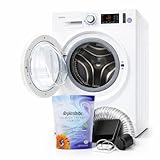
- TAR Score9.6
TAR Score is a ranking system developed by TopAppliancesReviews.com. TAR score has no relationship or impact from any manufacturers or sales agent websites. Learn more
- BrandGeneric

- TAR Score9.6
TAR Score is a ranking system developed by TopAppliancesReviews.com. TAR score has no relationship or impact from any manufacturers or sales agent websites. Learn more
- BrandHamilton Beach
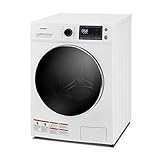
- TAR Score8.8
TAR Score is a ranking system developed by TopAppliancesReviews.com. TAR score has no relationship or impact from any manufacturers or sales agent websites. Learn more
- BrandCOMFEE'

- TAR Score8.4
TAR Score is a ranking system developed by TopAppliancesReviews.com. TAR score has no relationship or impact from any manufacturers or sales agent websites. Learn more
- BrandAuertech

- TAR Score7.8
TAR Score is a ranking system developed by TopAppliancesReviews.com. TAR score has no relationship or impact from any manufacturers or sales agent websites. Learn more
- BrandAuertech
Last update on 2026-11-10 / Affiliate links / Images, Product Titles, and Product Highlights from Amazon Product Advertising API
FAQs
Will clothes come out fully dry?
They can, but the result depends on the model, load size, fabric, and cycle. Follow the manual’s drying limit and leave enough room for clothes to move. If items are damp, try a smaller load or a setting the manufacturer recommends.
Can I wash another load while the combo dries?
No, not in the same drum. The machine needs that drum for both washing and drying, so another load must wait. Separate washer and dryer units let you run those jobs at the same time.
Does every washer dryer combo need an outside vent?
No. Venting needs vary by model. Check the installation instructions to see whether the machine needs a vent that carries warm, damp air outside, and confirm your space can support the required setup.
Related guides: best washer dryer combos.


10 Best Washing Machine For King Size Comforter of 2026 For Bulky Bedding

11 Best Semi Automatic Washing Machine Under 10000 of 2026 For Apartments and RVs

9 Best Compact Refrigerator For Beer Bottles of 2026 For Upright Bottle Fit

10 Best Quality Semi Automatic Washing Machine of 2026 For Leak-Free Laundry

11 Best Small Washer Machine of 2026 For Everyday Laundry

12 Best Vibration Pads For Washing Machine of 2026 To Stop Walking and Shaking

11 Best Selling Front Load Washing Machine of 2026 For Quiet Odor-Free Laundry

11 Best Washing Machine For King Size Bedding of 2026 To Prevent Cycle Errors





