
Are Top Loading Washing Machines Better Than Front Loaders?

Top loading washing machines are not universally better, but they are often the easier pick if you want quicker wash cycles and zero musty smells. That advantage flips if your top priority is lifting stubborn stains with minimal water. Front loaders handle heavy grime with less fabric wear, yet top-lid designs let you drop clothes in comfortably from a standing position.
The better choice really comes down to your physical comfort, room layout, and daily upkeep. Front doors force you to bend down and require regular wiping so the rubber door gasket (the flexible seal) never mildews. Top machines bypass that smell completely, but they need clearance overhead and can feel deep to reach into. Here is how both designs compare for your routine, your back, and your laundry space.
Top Loaders Wash Faster But Clean Heavy Stains Differently
Top loading washing machines wash clothes much faster than front loaders. A standard top-load cycle usually finishes in 30 to 45 minutes because the tub fills completely with water. The clothes float freely, allowing soap and water to move through the fabric quickly. If you run multiple loads every weekend, that extra speed saves you hours of waiting around the laundry room.
Front-loading machines take longer because they clean in a completely different way. Instead of filling up with gallons of water, a front loader rotates its drum to tumble clothes through a shallow puddle at the bottom. This tumbling motion lifts clothes up and drops them against the drum wall. It mimics hand scrubbing on an old-fashioned washboard, which loosens dried grease, caked-on mud, and stubborn sweat stains better than floating in deep water.
The trade-off comes down to water use and utility bills. Top loaders use significantly more water per load because the tub must fill high enough to cover the clothes. Front loaders use a fraction of that water, which also means your water heater uses less power to warm it up. If your priority is trimming monthly utility costs and fighting heavy outdoor dirt, front loaders hold an edge. If you just need clean everyday clothes quickly, a top loader with a quick wash cycle to cut laundry time will keep your household moving.
Detergent habits also affect your results. Both machine types work best with low-suds HE (High Efficiency) detergent. Using standard detergent or pouring in too much soap creates thick suds that cushion the clothes, stopping them from rubbing together and getting clean. Extra suds also leave a chalky film on your garments and leave foul residue behind in the drum.
Top Loaders Save Your Back When Moving Wet Clothes
Loading a washing machine should not strain your spine. A top-loading washer sits at a comfortable standing height. You can drop shirts, socks, and sheets straight down into the tub without twisting your torso or kneeling on a hard floor. If you have chronic lower back pain, bad knees, or hip problems, a top loader eliminates the daily physical punishment of doing laundry.
Front loaders require you to bend over, stoop, or squat every single time you load dirty laundry and pull out heavy, wet items. Wet denim jeans and soggy bath towels become heavy bricks of fabric that pull on your lower back. While you can buy raised storage pedestals to lift a front loader higher off the floor, those pedestals cost extra money and take up vertical space.
Top loaders have their own reach challenge that catches shorter people by surprise. Deep, high-capacity stainless steel clothes tubs can measure 28 to 32 inches from the top rim to the bottom plate. If you are under five feet four inches tall, reaching down to grab the last pair of socks at the very bottom forces you to lean over the metal edge on your tiptoes. This can press uncomfortably against your ribs and strain your shoulders.
To avoid this reach problem, check the tub depth before you bring a washer home. Stand in front of the machine and reach down with a flat palm. If your heels lift off the floor to touch the bottom, consider a model with a shallower tub or keep a pair of silicone laundry grabber tongs in your laundry room.
Top Lids Air Out Naturally To Prevent Musty Smells
The single biggest complaint among washing machine owners is a sour, moldy smell that clings to freshly washed shirts. This stink happens almost exclusively in front-loading washers. Front loaders need a thick rubber door gasket (the flexible seal around the circular opening) to keep gallons of water from leaking onto your floor during the wash cycle.
That rubber door gasket has deep folds that trap standing water, loose hair, pet fur, and slimy fabric softener residue. When you close the glass door after running a cycle, the damp, dark interior becomes an incubator for mold and mildew. Keeping a front loader odor-free requires constant chores: you have to wipe down the rubber seal with a dry towel after every wash day and leave the door propped open into the room.
Top-loading machines do not have this problem. Because the lid sits on top, simple gravity keeps the water inside the tub during washing. The lid does not need an airtight rubber seal. Outside air flows freely into the inner wash basket all day long, allowing leftover dampness to dry out completely on its own.
Upkeep on a top loader is refreshingly simple. You can close the lid between washes without worrying about a mold infestation. To keep mineral scale and detergent buildup away, run an empty hot cycle once a month. Choosing a washer with a self-cleaning tub cycle helps flush the outer wash tub automatically, keeping your clean clothes smelling genuinely fresh.
Agitators Scrub Grounded Dirt While Impellers Protect Large Bedding
When shopping for a top loader, you must pick between two mechanical systems: an agitator or an impeller. A center agitator post is the tall plastic column that stands in the middle of traditional tubs. It has curved fins that twist back and forth, dragging clothes down toward the bottom and pushing them back up to the surface.
Agitator posts excel at heavy-duty scrubbing. If your household deals with muddy sports uniforms, greasy shop rags, or messy yard work, the vigorous friction of an agitator removes ground-in dirt fast. But that aggressive twisting can be rough on your wardrobe. Loose threads, bra straps, and thin jersey knits can wrap tightly around the center column, causing fabric stretching, pilling, or torn seams over time.
An impeller takes a gentler approach. Instead of a tall center post, it uses a flat bottom wash plate that moves laundry using water currents. The plate spins back and forth to create water waves that roll clothes gently through the detergent mixture. Because there is no center pole, clothes do not get snagged or tangled, which helps your wardrobe last longer.
Impellers also give you much more usable tub room. Without a plastic post blocking the middle, you can easily wash bulky king-size comforters, thick sleeping bags, and puffy winter coats without jamming them into the machine. Modern impellers often pair with balanced spin cycles that protect clothes, adjusting spin speeds automatically to stop unbalanced loads from banging against the frame.
Top Loaders Need Overhead Clearance Instead Of Floor Room
Before you choose a machine based on features alone, you must confirm how it fits your physical laundry area. Front loaders and top loaders demand space in completely different directions. Choosing the wrong style can turn opening the washer into a frustrating daily battle with your walls or cabinets.
A front loader needs open floor space directly in front of the machine so the glass door can swing open wide. In a narrow hallway closet or a tight pass-through laundry room, an open front-load door can completely block your walking path. If your laundry space is shallow, a top loader is often much easier to live with because its lid opens straight up toward the ceiling.
However, that upward swing creates an overhead clearance hazard. A standard top loader lid can add 20 to 25 inches of height when raised straight up. If you have permanent wall cabinets, wire shelving, or a laundry folding counter mounted directly above your hookups, the lid will slam into the shelf and refuse to stay open.
Use this quick checklist to confirm that a top-loading machine will work in your room:
- Measure the vertical clearance from the top of the machine cabinet to the bottom edge of any overhead cabinets or shelves.
- Add 4 to 6 inches of rear clearance behind the washer so hot and cold water supply hoses do not bend or pinch against the wall.
- Make sure your floor drain pipe or utility sink sits higher than the bottom of the tub if your washer relies on a built-in drain pump.
- Adjust the screw-in leveling legs underneath each corner so the machine sits completely flat and does not shake violently during fast spin cycles.
- Confirm your laundry room has a standard 120-volt 3-prong grounded wall outlet nearby, and never plug a washer into an ungrounded adapter or a thin extension cord.
Remember that top-loading washers cannot be stacked. If you live in an apartment or compact condo where the clothes dryer must sit directly on top of the washer to save floor space, a front-loading pair is your only workable choice.
Pick The Washer Features That Match Your Daily Routine
Deciding if a top loader is better comes down to your personal habits, physical comfort, and home layout. A top loader is the better choice if you want short cycle times, zero door-gasket mold, and the convenience of dropping clothes in from a standing position. It delivers dependable daily washing without forcing you to constantly dry out rubber seals or stoop down to your knees.
If you decide to buy a top-loading washer, check the tub mechanism carefully to match the fabrics you wash most often. Choose a tall center agitator post if you prioritize heavy scrubbing power for tough outdoor messes. Choose a flat bottom wash plate if you want to wash bulky bedding easily and keep everyday fabrics looking new longer.
Always verify the total open-lid height against your room shelves, and reach inside the display model to ensure you can touch the bottom without straining your chest. Matching the tub style, lid height, and control settings to your own space guarantees a washer that makes laundry day easier for years to come.
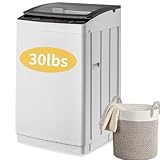
- TAR Score8.9
TAR Score is a ranking system developed by TopAppliancesReviews.com. TAR score has no relationship or impact from any manufacturers or sales agent websites. Learn more
- BrandGODECOR

- TAR Score8.7
TAR Score is a ranking system developed by TopAppliancesReviews.com. TAR score has no relationship or impact from any manufacturers or sales agent websites. Learn more
- BrandAuertech

- TAR Score8.7
TAR Score is a ranking system developed by TopAppliancesReviews.com. TAR score has no relationship or impact from any manufacturers or sales agent websites. Learn more
- BrandCOSTWAY

- TAR Score7.7
TAR Score is a ranking system developed by TopAppliancesReviews.com. TAR score has no relationship or impact from any manufacturers or sales agent websites. Learn more
- BrandBLACK+DECKER

- TAR Score7.1
TAR Score is a ranking system developed by TopAppliancesReviews.com. TAR score has no relationship or impact from any manufacturers or sales agent websites. Learn more
- BrandVCJ
Last update on 2026-11-11 / Affiliate links / Images, Product Titles, and Product Highlights from Amazon Product Advertising API
Related guides: are top load washing machines better.


10 Best Washing Machine For King Size Comforter of 2026 For Bulky Bedding

11 Best Semi Automatic Washing Machine Under 10000 of 2026 For Apartments and RVs

9 Best Compact Refrigerator For Beer Bottles of 2026 For Upright Bottle Fit

10 Best Quality Semi Automatic Washing Machine of 2026 For Leak-Free Laundry

11 Best Small Washer Machine of 2026 For Everyday Laundry

12 Best Vibration Pads For Washing Machine of 2026 To Stop Walking and Shaking

11 Best Selling Front Load Washing Machine of 2026 For Quiet Odor-Free Laundry

11 Best Washing Machine For King Size Bedding of 2026 To Prevent Cycle Errors





